Wakehurst announces landscapes reopening this summer
Release date: 12 April 2025
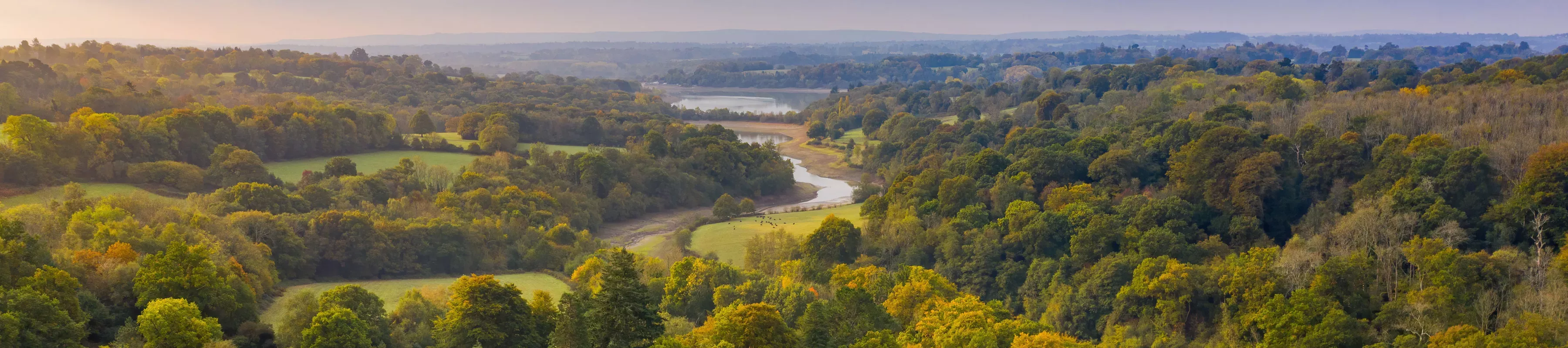
- Loder Valley Nature Reserve partially reopens after nearly three years of closure
- Children’s & Community Garden expands with new raised vegetable beds, edible meadow and bug bed
- Coronation Meadow reopens for the summer season, celebrating its 10th anniversary
- Unwind and connect with nature on a workshop
Late spring and early summer mark an exciting chapter for Wakehurst, as the gardens enter meadow season and the Loder Valley Nature Reserve welcomes visitors once again, after two and half years of closure. Explorers of all ages can rediscover their favourite corners of the landscape, and embark on new adventures across wild woodlands, biodiverse meadows and secret gardens that make up the 535 acres.
Roam wild in the Loder Valley | Partially reopening Saturday 3 May
Wakehurst is excited to reopen part of the much-loved Loder Valley Nature Reserve after vital conservation work forced its closure almost three years ago. A new, refurbished route takes in 3.7km of ancient woodlands and Hanging Meadow – Wakehurst’s oldest meadow home to delicate and diverse flora. Visitors venturing out to the Loder Valley can spot wildlife from one of the three hides, including a Kingfisher Hide, along the route and learn about the traditional landscape management practices that take place in the woodlands, from coppicing to charcoal burning.
Re-discover wildflower meadows | Reopening Saturday 3 May
In May, the gates open once again to Coronation Meadow, a landmark meadow on the Wakehurst map, after a winter spent welcoming grazing sheep to breathe new life into the soil. In 2025, Wakehurst is celebrating 10 years since the creation of this iconic meadow, which boasts a thriving tapestry of native wildflowers and the familiar buzz of visiting pollinators.
Get hands-on with nature in the Children’s & Community Garden | Expanding in late May
Nestled behind the Elizabethan Mansion, the Children’s & Community Garden has undergone major development in the past year, with the next phase opening for visitors later in May. Following the opening of the new Mud Kitchen last spring, the Garden will house new wide buggy-friendly pathways, weaving past an edible meadow and new vegetable beds, which have been crafted at accessible heights. The Garden is a haven for wildlife, with a bug bed planted to attract critters such as caterpillars, a wooden stumpery providing a new habitat, and the UK’s first experimental bee bank, providing a home for ground-nesting bees.
Contribute to real pollination science | Free trail on until September
Scientists at Wakehurst are undertaking a pioneering ‘Trees for Bees’ project to discover which trees prove most popular with our buzzing pollinators. With this vital data, they can help boost populations of critical bees, wasps and more across the country, particularly in urban areas. And now, visitors have a chance to be part of it and directly support Kew Science. Grab a free guide, download the app and follow our trail to help our scientists understand our bee population. Community groups can also sign up for an Engagement Session to hear from our scientists and enjoy a guided tour.
Other events
Spring into Community | 3 May | Free
A three-day festival of free workshops and activities aimed at charities and community groups. The programme connects participants with the wonder of Kew Science and Wakehurst's botanical collections, through art, music and creativity. In celebration of the Millennium Seed Bank's 25th anniversary, participants can take part in BSL tours of the MSB Atrium, seed banking activities and seed-inspired storytelling.
Seedscapes | July - September | Included with entry
Seedscapes is an exhibition of art, sculpture, and sound set throughout the gardens, inspired by the science of seeds, and the groundbreaking research carried out daily at the Millennium Seed Bank, now celebrating its 25th anniversary. Discover the work of six international artists, whose installations highlight the urgency and beauty of global seed conservation. Through sculpture, light, colour and sound, each artwork aims to inspire, engage and reconnect visitors with the role of seeds in culture, science and conservation.
Wanderwild | 17 – 19 July | On sale in May | Early bird and member discounts available
Wakehurst’s landscape comes alive with the sound of music, the mesmerising sight of aerial performers and dancers, and the scent of mouth-watering street food. Accompanied by the setting sun, this is an evening not to miss as the perfect date night or friends get-together.
Dog walks at Wakehurst | Every day | Standard entry applies
Bring your four-legged friend out on a dog walk with a difference and see how Wakehurst’s woodlands of the world come to life in spring. Let energetic pups run free in the secure off-lead area and enjoy dog-friendly treats at the onsite cafes.
Willow weaving workshops | May, June and July dates | 10.30am to 5pm
Join a beginner's workshop exploring working with willow in a sculptural way and creating your own willow hare or basket. Guided by Dominic Parrette you’ll be introduced to the techniques of weaving with willow coppiced right here at Wakehurst. Dominic will lead you through each step of the process to create a strong, beautiful decorative structure that will last.
Forest bathing | May, June and July | 10am to 1pm and 2pm to 5pm
Inspired by the Japanese practice of Shinrin-yoku, forest bathing invites you to slow down and fully immerse yourself in the calming forest environment at Wakehurst. Guided by Swedish teacher and workshop leader Helena Skoog, you'll learn how to engage all your senses to connect deeply with your surroundings. Experience the restorative power of nature as it helps relieve tension, relax your mind, and nourish your sense of well-being.
Twilight nature tour | May and August dates | 5.30pm until dark
As the sun sets, experience the stirring of nocturnal wildlife and witness the forest’s transition from light to darkness. With our senses heightened, sounds and scents become more intense, bringing the evening to life. Led by our experienced nature reserve lead, Steve Robinson, we’ll follow the woodland trails in the Loder Valley. In this beautiful, wild landscape, you may spot kingfishers flashing by and wild badgers emerging to eat, play, and forage.
Guided tours | Tues to Thurs, 11.30am and 2pm | Fri – Mon, 11.30am | Free, subject to availability
Whether it’s your first time visiting or you're a regular to the gardens wanting to learn more, join a volunteer-led tour to discover seasonal areas of interest, learn about the history of the landscape and discover behind-the-scenes stories of the gardens.
Millennium Seed Bank Atrium Guided Tours | Mondays 2pm | Free, subject to availability
Step inside the most biodiverse place on earth and enjoy a guided tour of the MSB Atrium. Trained volunteer guides will take you through the journey of a seed from collection to banking and point out areas of interest through the laboratory windows.
Parkrun at Wakehurst | Every Saturday from 9am | Free
Pace yourself through our scenic landscape as Parkrun is now at Wakehurst. Every Saturday morning, embark on a fun, free and friendly 5K. Participants must register with Parkrun before their first event.
Community Access Scheme (CAS) Events
The CAS at Wakehurst is an annual group membership for organisations that provide services directly to people who face physical, sensory, psychological, or social barriers to visiting Wakehurst independently. The below events are available exclusively for members of the CAS at Wakehurst. Throughout the seasons, there are a variety of CAS events for participants of all ages and backgrounds, providing opportunities to socialise and connect with nature.
Sow and Grow: monthly gardening group | last Monday of every month | 10.30am to 1pm
Build confidence in the garden and create friendships in this monthly hands-on gardening workshop.
Nature Natters | last Monday of every month | 11am to 12pm and 1pm to 2pm
Join expert volunteer guides in an inclusive walking group, with Alliance for Better Care’s social prescribers.
Dementia friendly walks | Last Tuesday of every month | 11am to 12pm
Led by our expert volunteers, you will learn about the wonderful plants, people and places that make up Wakehurst. Walks last one hour and are open to those with dementia symptoms plus their families, friends and carers.
Moving Sounds | 5-week project, 30 April to 28 May |11am to 1pm
Moving Sounds is a unique five-week project designed by and for people with learning disabilities. Each session includes a gentle guided walk, and a music-making session.
Exhibitions
Surviving or Thriving: An exhibition on plants and us | Daily, 10am – 3.30pm | Millennium Seed Bank
This exhibition brings Kew’s State of the World’s Plants reports to life, telling the story of why some plants are only surviving, while others are thriving.
ENDS
For more information or images please contact wakehurstpr@kew.org.
Notes to Editors
Entry to Wakehurst
10am to 6pm (last entry 5.30pm)
Visitor Centre Shop and Plant Centre open until 6pm (Mon-Sat), 5.30pm (Sun)
Tickets
Wakehurst and Kew members: free
Children aged 16 and under: free
National Trust members: free (parking charges apply)
Adults: £18.50 (post-3.30pm: £9.25)
Young person (ages 17 to 25): £9.25 (post 3.30pm: £5)
Recipients of Universal or Pension Credit: £1
About Wakehurst
Wakehurst is Kew’s wild botanic garden in the Sussex High Weald National Landscape. Its ancient and beautiful landscapes span 535 acres and are a place for escape, exploration, tranquility, and wonder. Its diverse collection of plants from Britain and around the globe thrive within a tapestry of innovative gardens, temperate woodlands, meadows, and wetlands. Wakehurst is a centre for UK biodiversity and global conservation, seed research and ecosystem science. At its heart is Kew’s Millennium Seed Bank, the world’s largest store of seeds from wild plant species.
The National Trust was bequeathed the Mansion and grounds of Wakehurst in 1963. Whilst Wakehurst is not a National Trust property, Royal Botanic Gardens, Kew has a longstanding relationship with the National Trust dating back to 1965 when Kew took over the running of Wakehurst’s botanical landscapes and Elizabethan Mansion.
RBG Kew receives approximately one third of its funding from Government through the Department for the Environment, Food and Rural Affairs (Defra) and research councils. Further funding needed to support RBG Kew’s vital work comes from donors, membership and commercial activity including ticket sales. In the first six months since implementing a new accessibility scheme for those in receipt of Universal Credit, Pension Credit and Legacy Benefits, Kew has welcomed over 100,000 visitors with £1 tickets.
At the Royal Botanic Gardens, Kew, we’re dedicated to harnessing the power of plants and fungi to end the extinction crisis and secure a future for all life on Earth. With our world-leading research, global partnerships and beloved gardens – home to the world’s most diverse collections of plants and fungi – we’re using our trusted voice to shape policy and practice worldwide. As a charity we rely on the critical support of our visitors, not only to sustain the gardens, but to protect global plant and fungal biodiversity for the benefit of our planet and humanity.