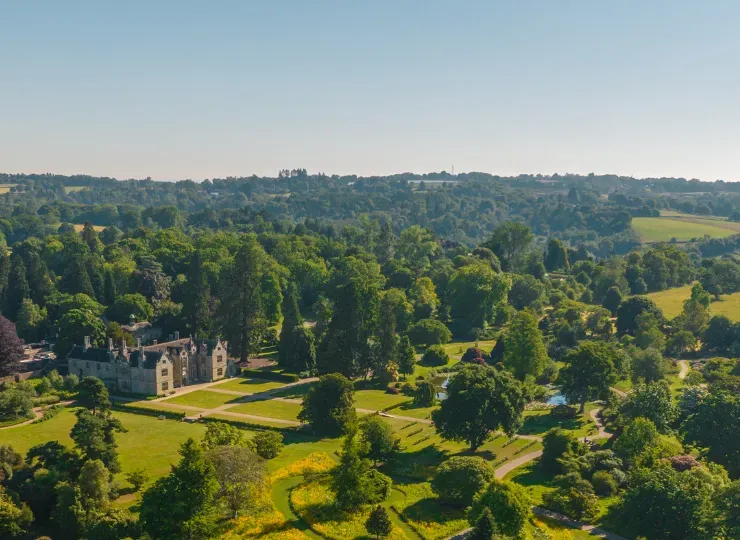
7 reasons to discover Henry Moore at Kew Gardens
Monumental sculptures, unique pieces and something for everyone on a visit to discover Henry Moore at Kew
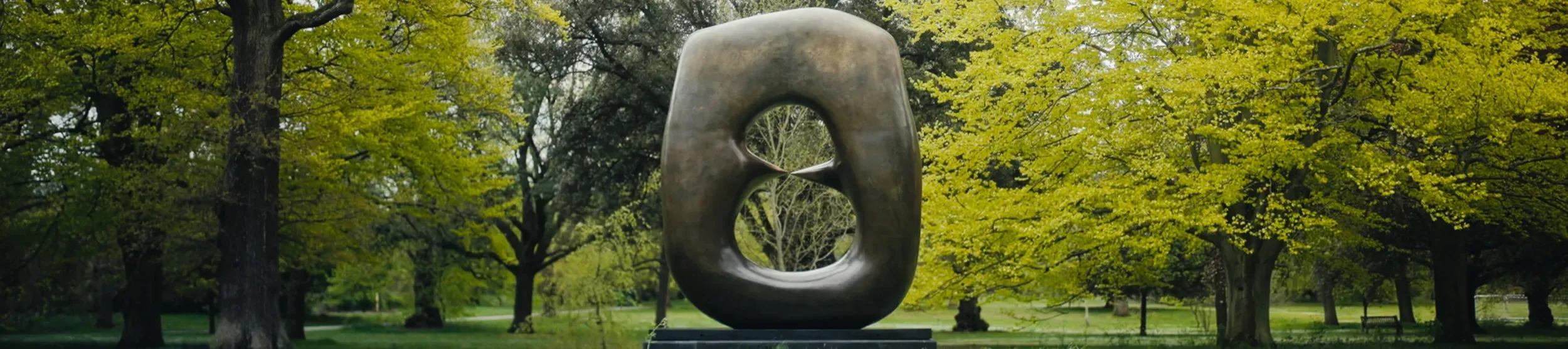
From 9 May, more than 100 works by world-renowned sculptor Henry Moore will be installed across Kew Gardens.
Spanning the landscape in what will be a once-in-a-lifetime exhibition, learn how Henry Moore: Monumental Nature will invite you to experience art, nature and scale like never before.
Jump to:
1. Once in a lifetime exhibition
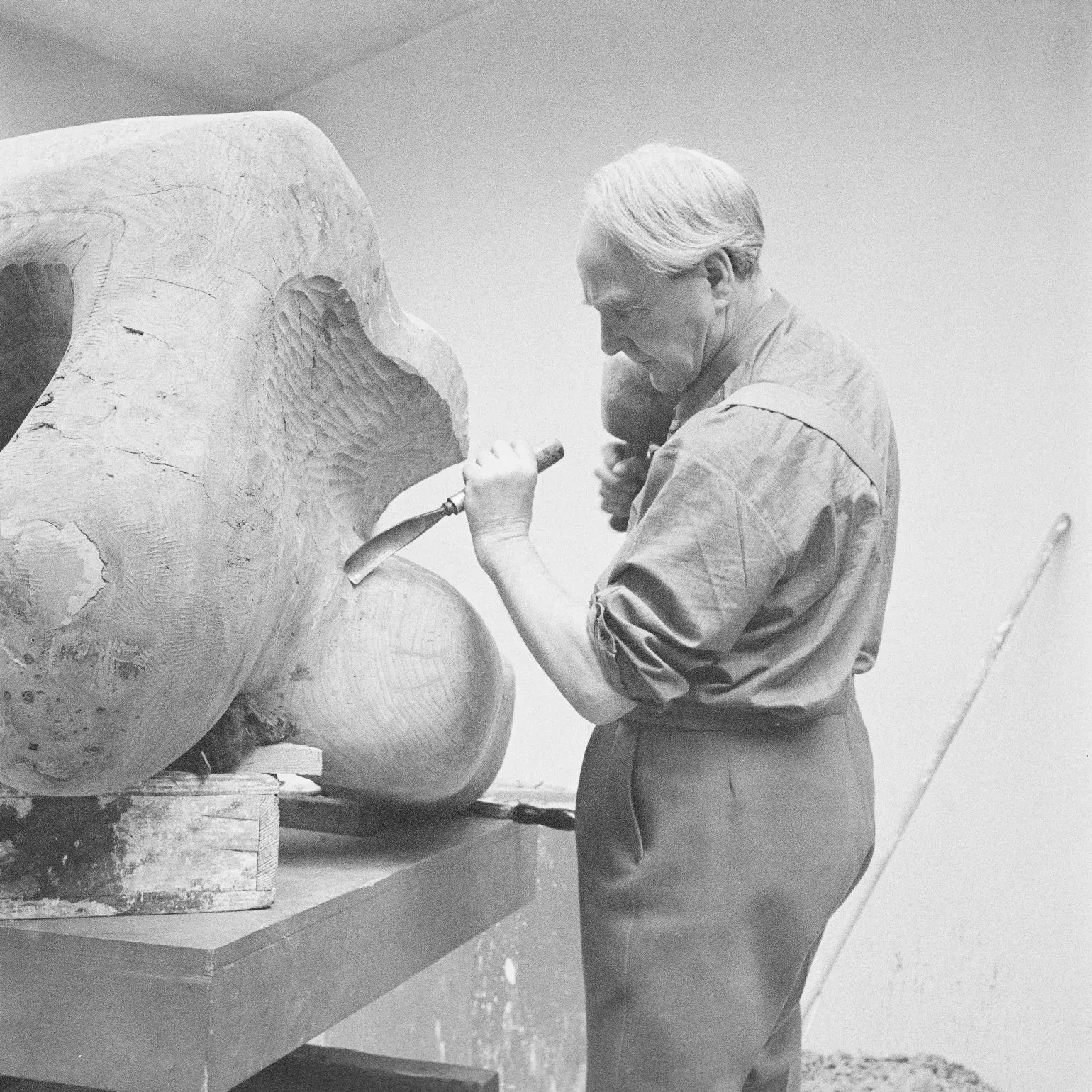
Born in a small Yorkshire town in the north of England as the seventh son of a coal miner, Henry Moore grew up to become one of the most iconic artists of the twentieth century. He shaped a new vision for modern sculpture, taking inspiration from nature – whether it was bones, stones, hills or the human body. His style was abstract but always rooted in the natural world.
The span of his career and life’s work will be celebrated at Kew in what will be the biggest and most comprehensive showcases of his work to date.
From the smallest piece, Small Animal Head in boxwood, in the Shirley Sherwood Gallery, to the heaviest work, Sheep Piece, between the Lake and the Palm House, you’ll experience the evolution of Moore’s work in a completely new way.
2. More sculptures than ever before
There are 30 of Henry Moore’s monumental sculptures coming to Kew, in what will be the world’s largest outdoor presentation of Moore’s works.
The artworks will span Kew’s entire 320-acre site, with each sculpture being carefully positioned to respond to that specific area of landscape – just as Moore intended.
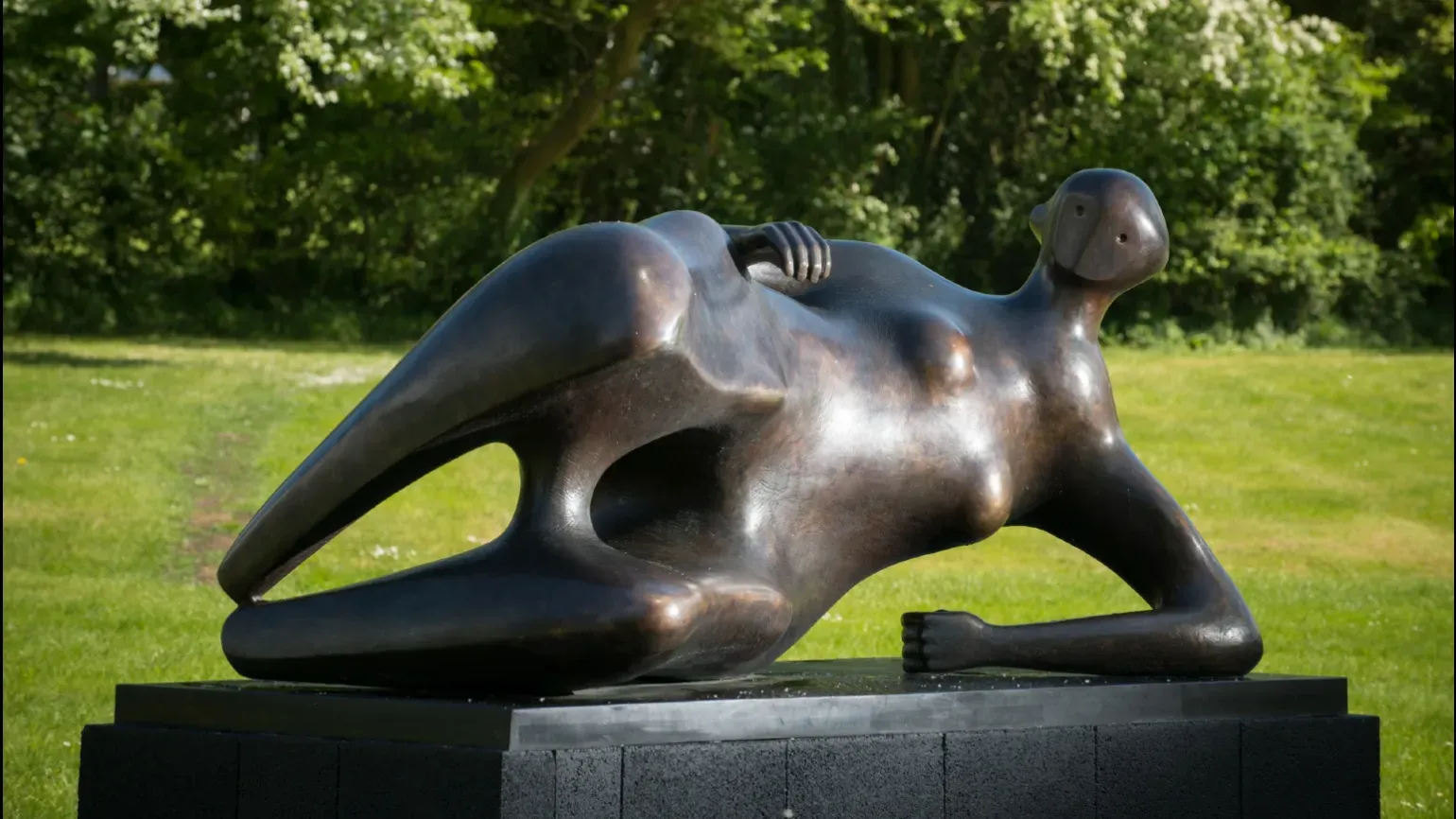
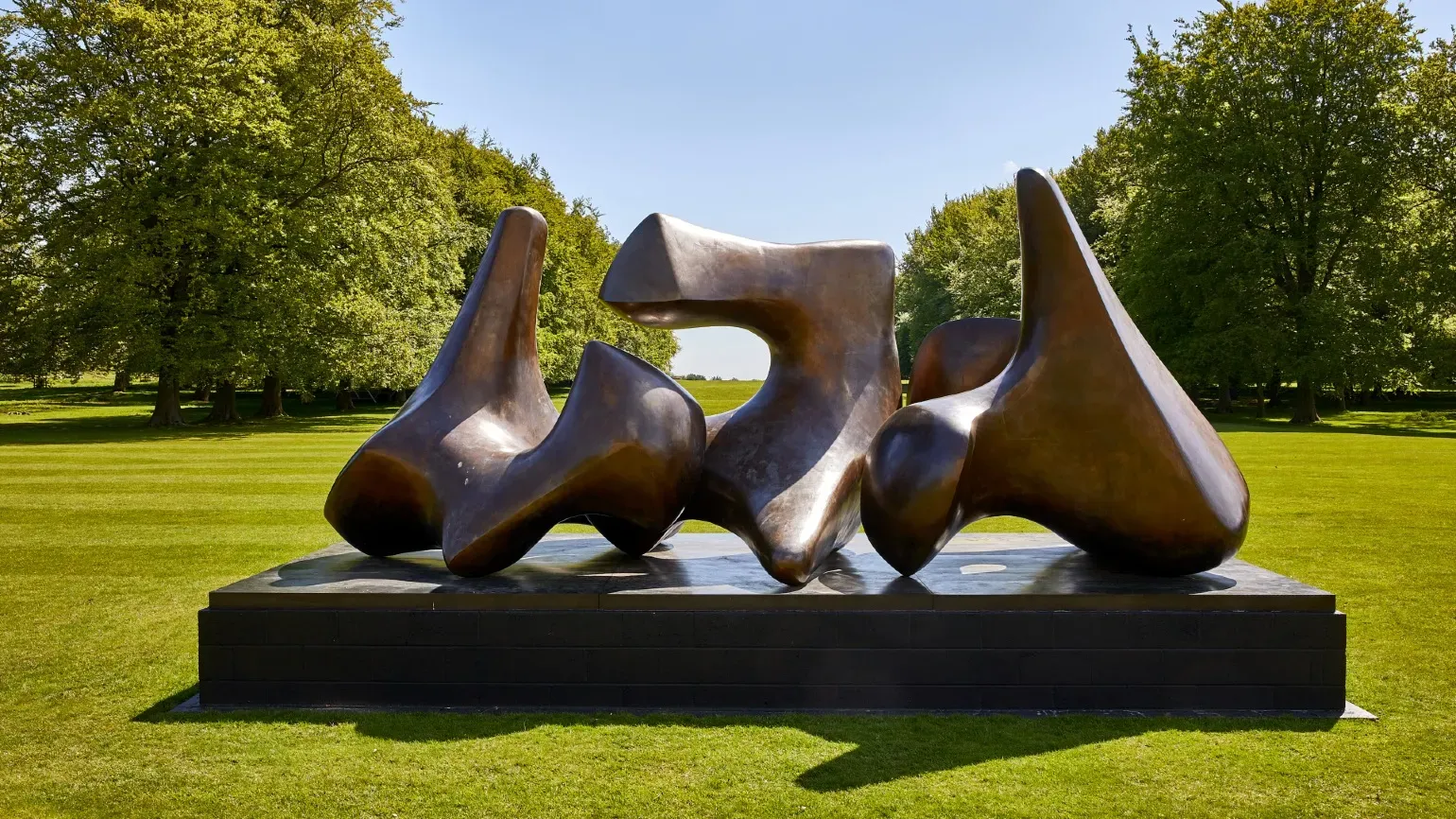
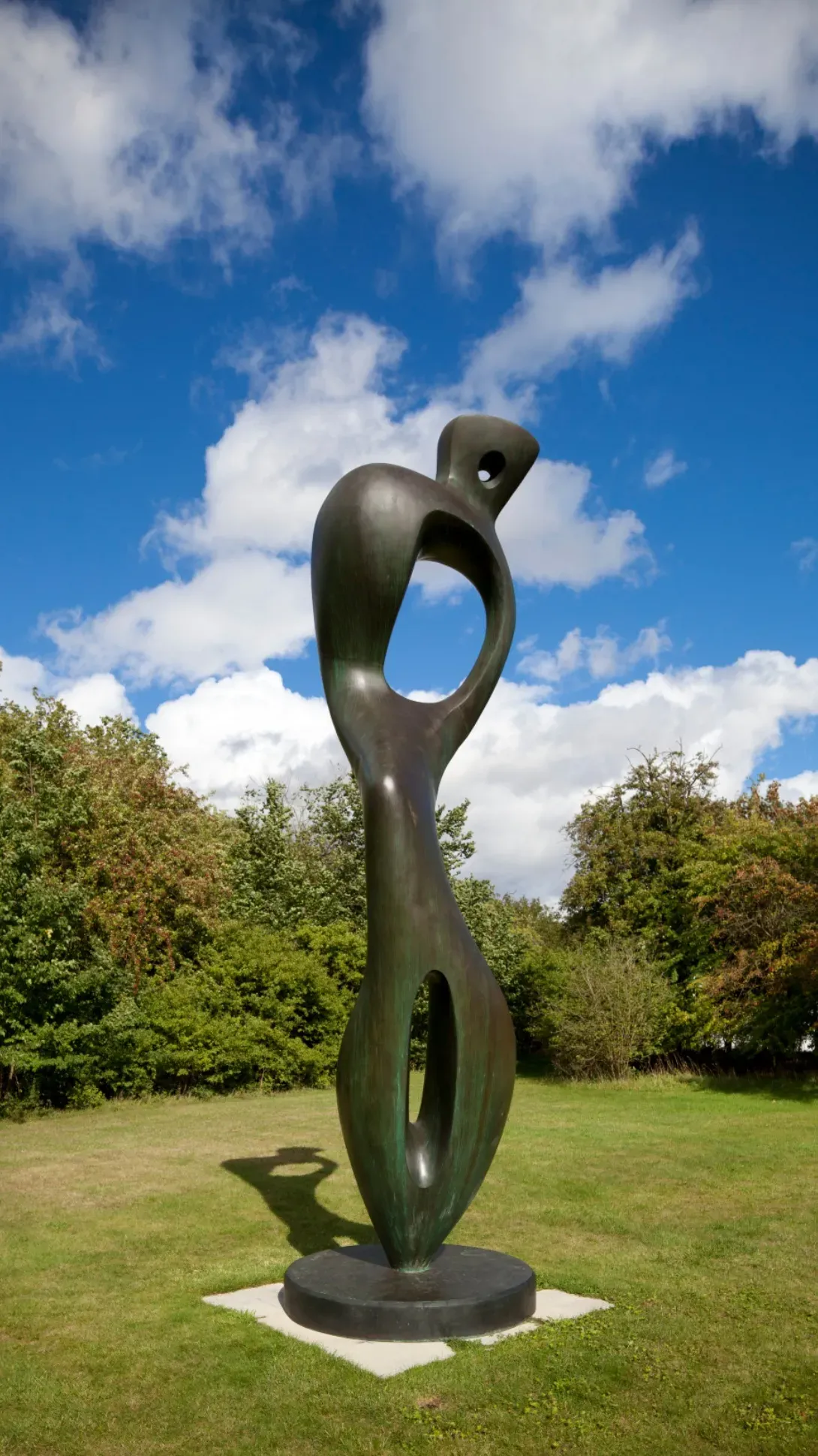
The sculptures will include some of Moore’s most iconic bronze pieces, including Large Two Forms, Sheep Piece, Oval with Points, Locking Piece and Reclining Woman: Elbow.
Keen visitors may remember that some of Henry Moore’s masterpieces have come to the Gardens before, back in 2007. However, this exhibition will showcase more of Moore’s work and span across the entire site for the first time.
3. Interacting with the landscape
From Large Reclining Figure by the Pagoda and Large Two Forms at the head of the Lake; to Large Spindle Piece opposite the Orangery; and Three Piece Sculpture: Vertebrae and Reclining Figure: Arch Leg positioned either side of the pond by the Palm House, each sculpture will connect with a different part of Kew’s UNESCO World Heritage site landscape.
Moore wasn’t just inspired by nature: he also believed that varied landscapes were the ideal setting to showcase his pieces, where the environment could amplify the sculptures' visual and emotional impact.
Visitors will therefore experience Moore’s vision just as he intended: monumental works set within living, ever-changing natural scenery.
4. Rarely seen works
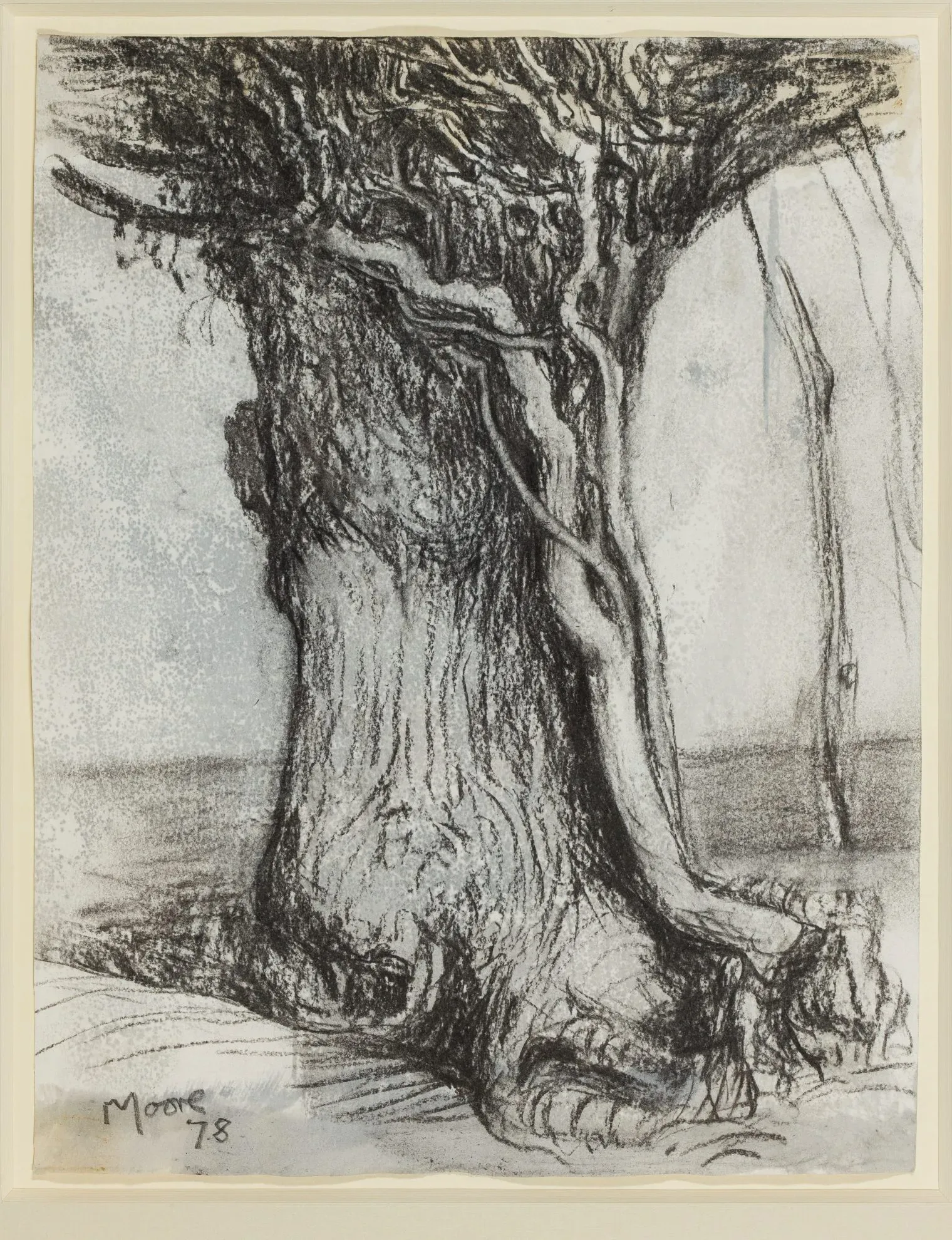
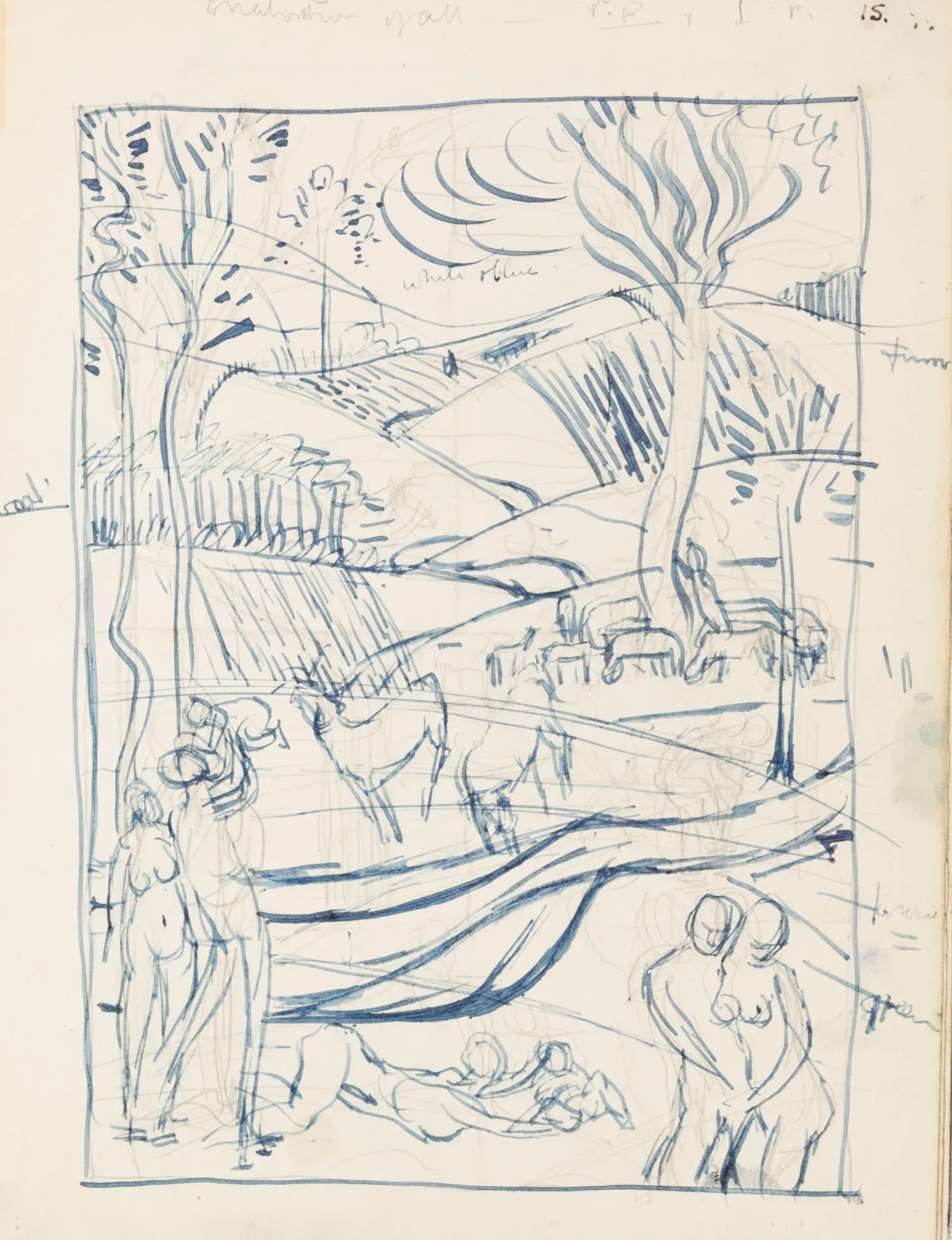
Alongside the monumental sculptures around the Gardens, over 90 smaller and rarely seen works will be on display in the Shirley Sherwood Gallery.
This will include maquettes (miniature sculptures that Moore used to visualise his ideas before making them monumental), drawings, prints and archive material.
The gallery will also be home to Monumental Botanical Art, an exhibition of botanical paintings from the Shirley Sherwood Collection that adds another layer to the themes explored in Moore's work.
5. Different experience every season
The monumental sculptures and other pieces will be at Kew from 9 May 2026 until 31 January 2027, time which spans all four seasons.
As the days first grow longer, then shorter as the seasons change, the sculptures will become part of the shifting landscape, highlighting different forms, textures, masses and spaces in between. So, there will be something new for every repeat visit!
Become a member for unlimited entry to Kew and the chance to experience Henry More: Monumental Nature throughout the year. Members can enter the Gardens two hours earlier than other visitors, enjoy 10% off in Kew shops, and receive discounts on selected events – including those linked to this once-in-a-generation exhibition.
6. Something for everyone
Experience Henry Moore: Monumental Nature at your own pace, or let us show you the highlights on our daily guided walking tours included with your entry ticket to the Gardens. We’ll also have monthly Touch Tours and a 45-minute accessible route.
For families, there’s also a self-led sensory and interactive trail that takes you around 10 of Moore’s sculptures, which all have different activities nearby. Pick up a booklet for the family trail (which comes with a small pencil) at any of the entry gates.
Or if you fancy something more exclusive, there will also be a series of After Hours events with DJs and workshops, as well as sunset buggy tours, wine walks and a photography walking tour...
7. Every visit is a donation
Did you know that Royal Botanic Gardens, Kew is a registered charity working to protect biodiversity? Every time you visit, become a member, donate, buy an afternoon tea or souvenir from one of our gift shops, you’re helping us to protect plants and fungi.
So a visit to Kew Gardens to see Henry Moore won’t just be a once-in-a-lifetime opportunity; you'll also be helping to create a thriving planet for all.
Find out more about Kew's charity work and the different ways you can support us.
Organised with the Henry Moore Foundation
This exhibition is organised in partnership with the Henry Moore Foundation, founded by the artist and his family in 1977 to encourage public appreciation of the visual arts.