18 November 2025
7 min read
Celebrating our partnership to save Mozambique’s plants
As we celebrate 25 years of the Millennium Seed Bank, we look to how one of our partnerships is making change in southern Africa


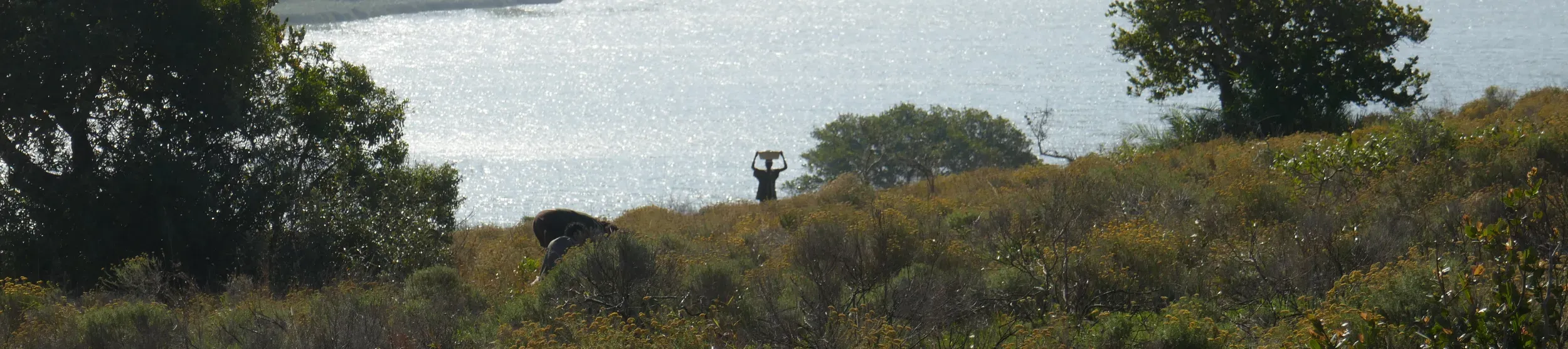
Mozambique stretches north to south along the Indian Ocean coastline, sharing a border with six countries in southern Africa. Due to its geography, spanning tropical to sub-tropical climates, it benefits from a wide range of different habitats and floras. Three of the world’s 36 biodiversity hotspots are found in Mozambique including montane and coastal habitats.
The flora of Mozambique counts over 6300 species, and there are new plant species being discovered all the time. There are 235 species that are endemic to Mozambique, being found nowhere else on earth, and 337 near-endemic species (cross-border species that are range-restricted, from few locations or with most of their range within Mozambique). Together these represent 9% of Mozambique’s flora.
Sadly, however, over 50% of species that have been assessed are threatened with extinction, often because of habitat degradation, especially from agriculture, unsustainable use of resources and mining. This is heartbreaking, but a conservation challenge to which we and our partners are rising.
A partnership to save Mozambique’s plants
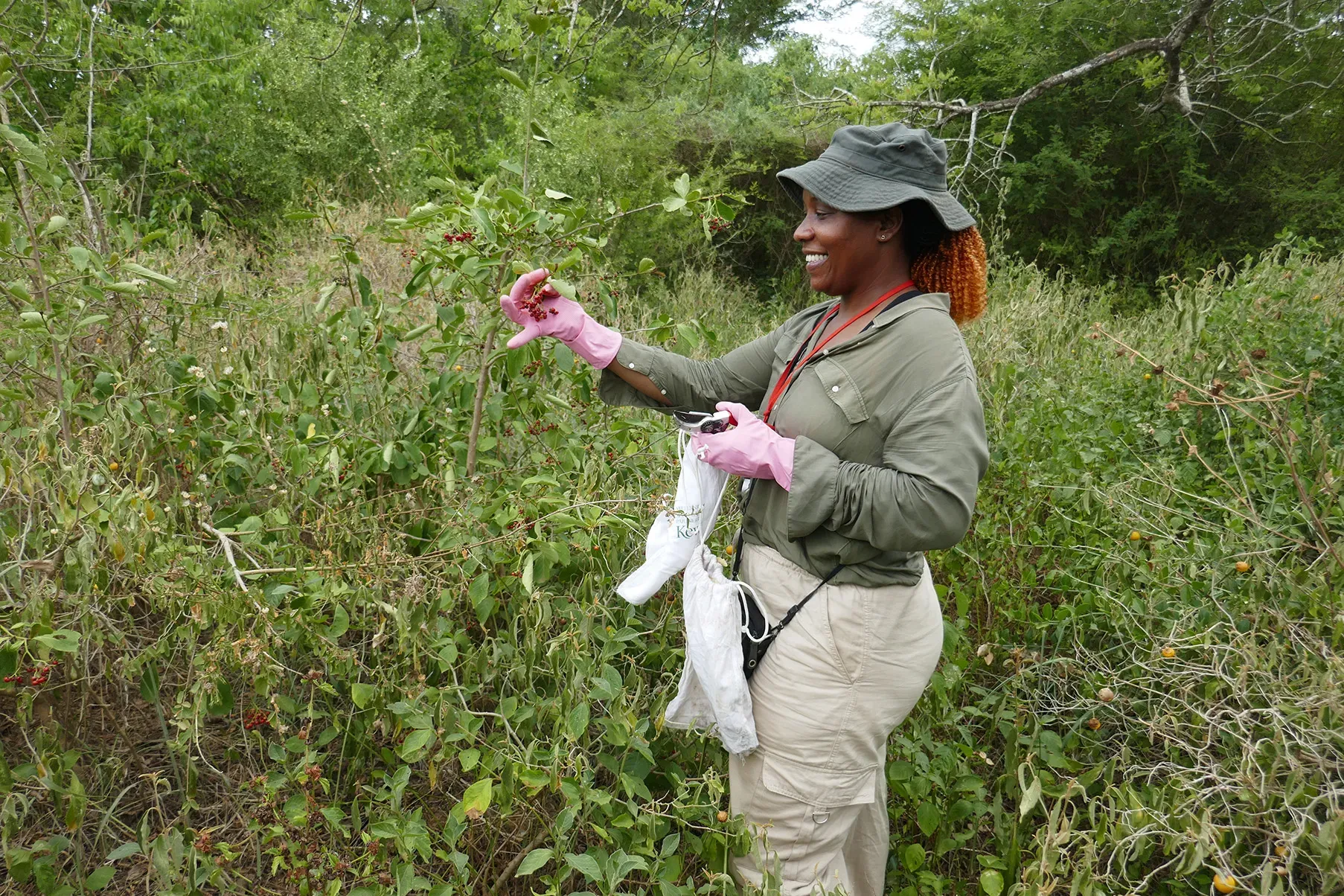
RBG Kew has had a partnership with the Agricultural Research Institute of Mozambique (Instituto de Investigação Agrária de Moçambique, IIAM) for over ten years, working on many topics of plant conservation ranging from crop wild relatives to useful plants, endemic and threatened species and Important Plant Areas.
In 2020, our partnership received funding through two programmes. The Threatened Biodiversity Hotspots programme is a five-year project for ex-situ seed conservation of the country’s flora, while the Global Tree Seed Bank programme was a three-year project to conserve seeds of Mozambique’s trees.
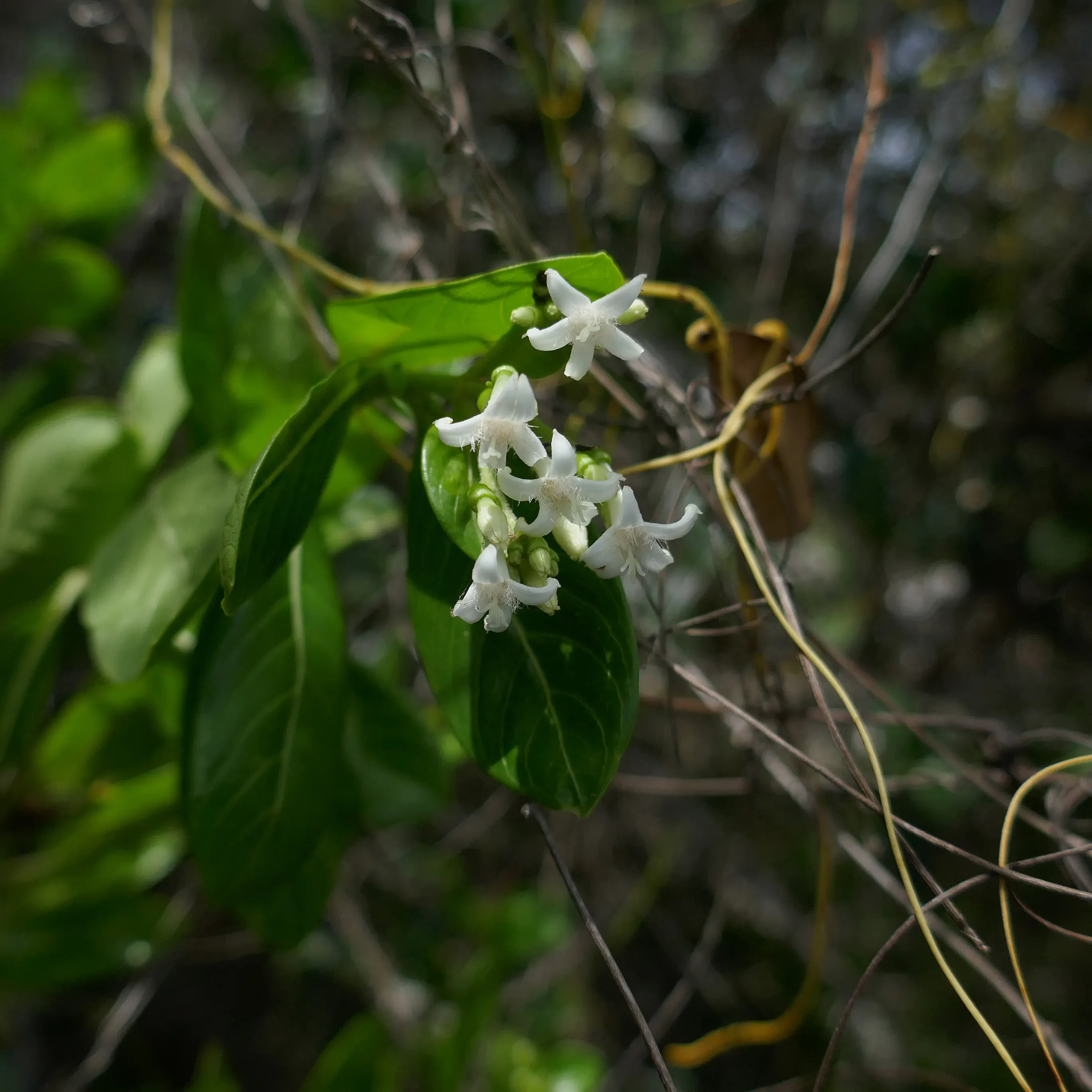
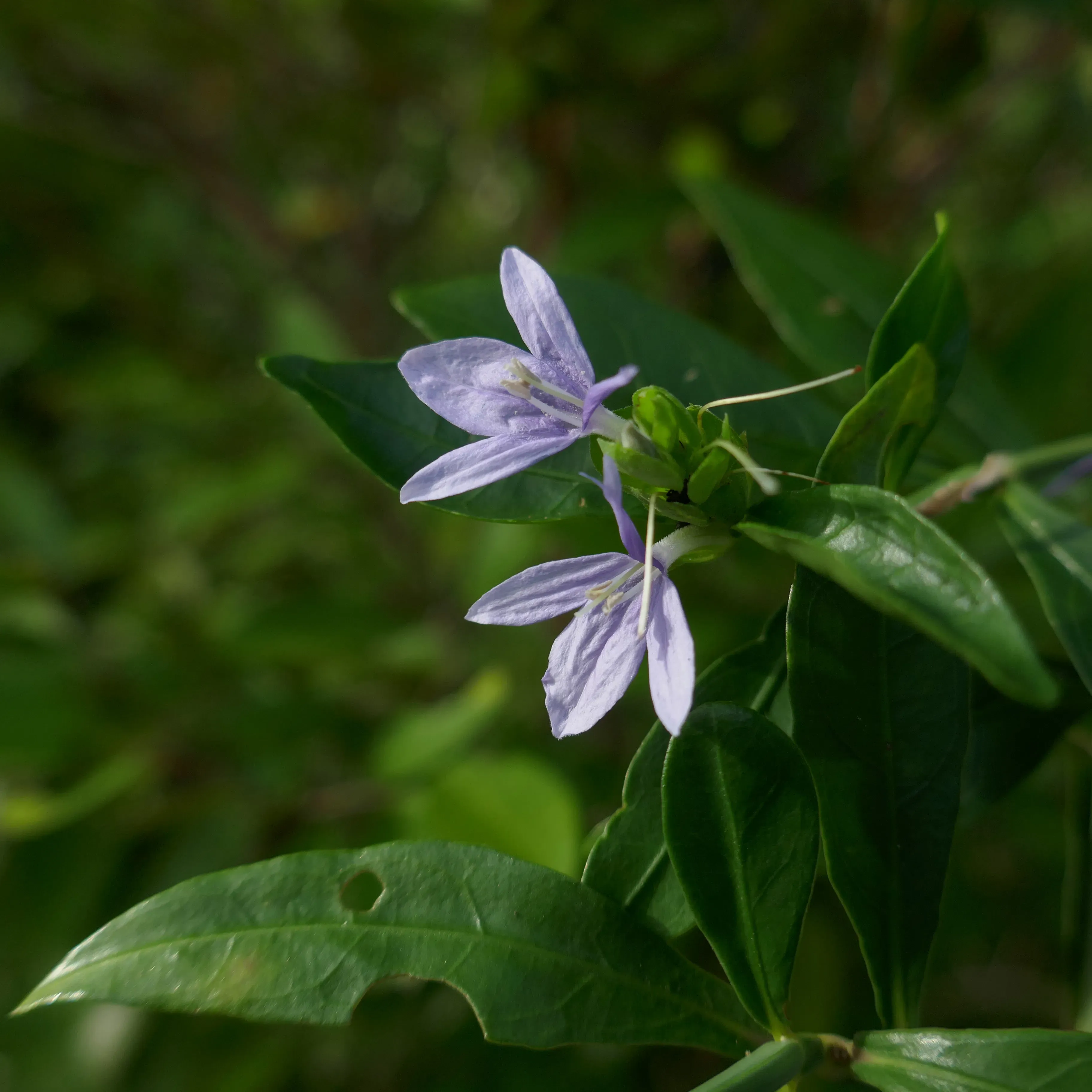
Together we've been collecting seeds of native Mozambican plants, including rare, threatened and endemic species, storing them in the IIAM seed bank and the Millennium Seed Bank at Wakehurst. Such projects are contributing to global targets addressing biodiversity loss.
Milestones and achievements along the way
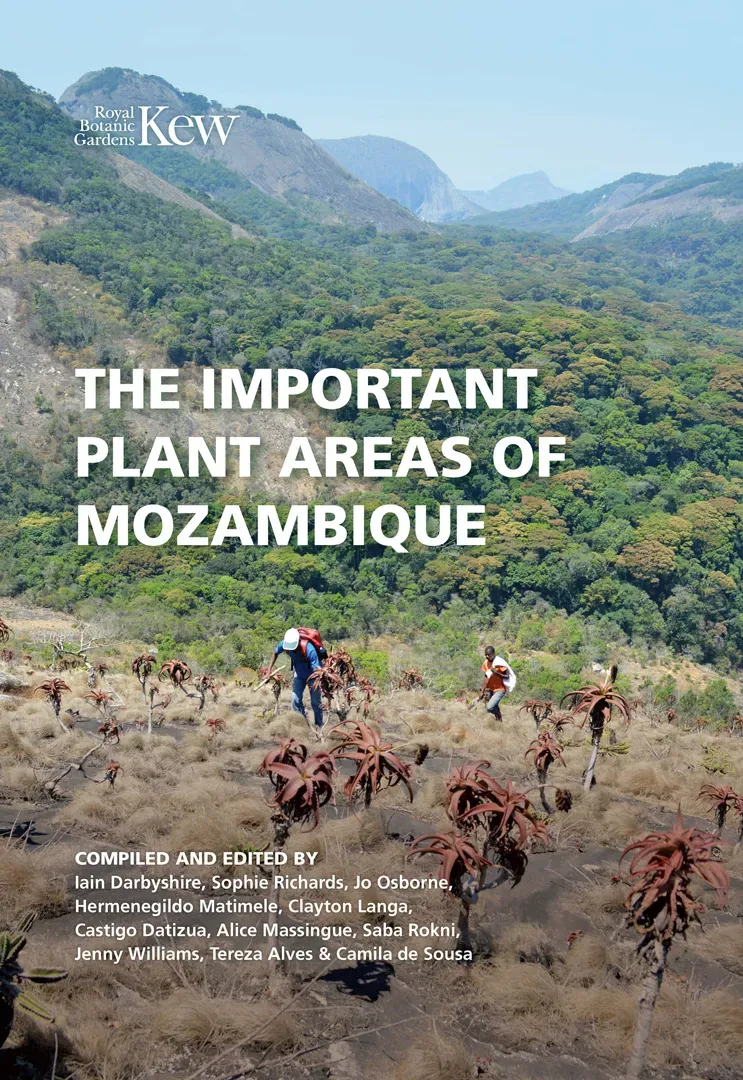
A major milestone has been the publication of The Important Plant Areas of Mozambique - the result of a project that's identified 57 areas of botanical importance that are a priority for conservation.
This work has been key to prioritising our seed conservation efforts, helping us to identify target species for the Threatened Biodiversity Hotspots project.
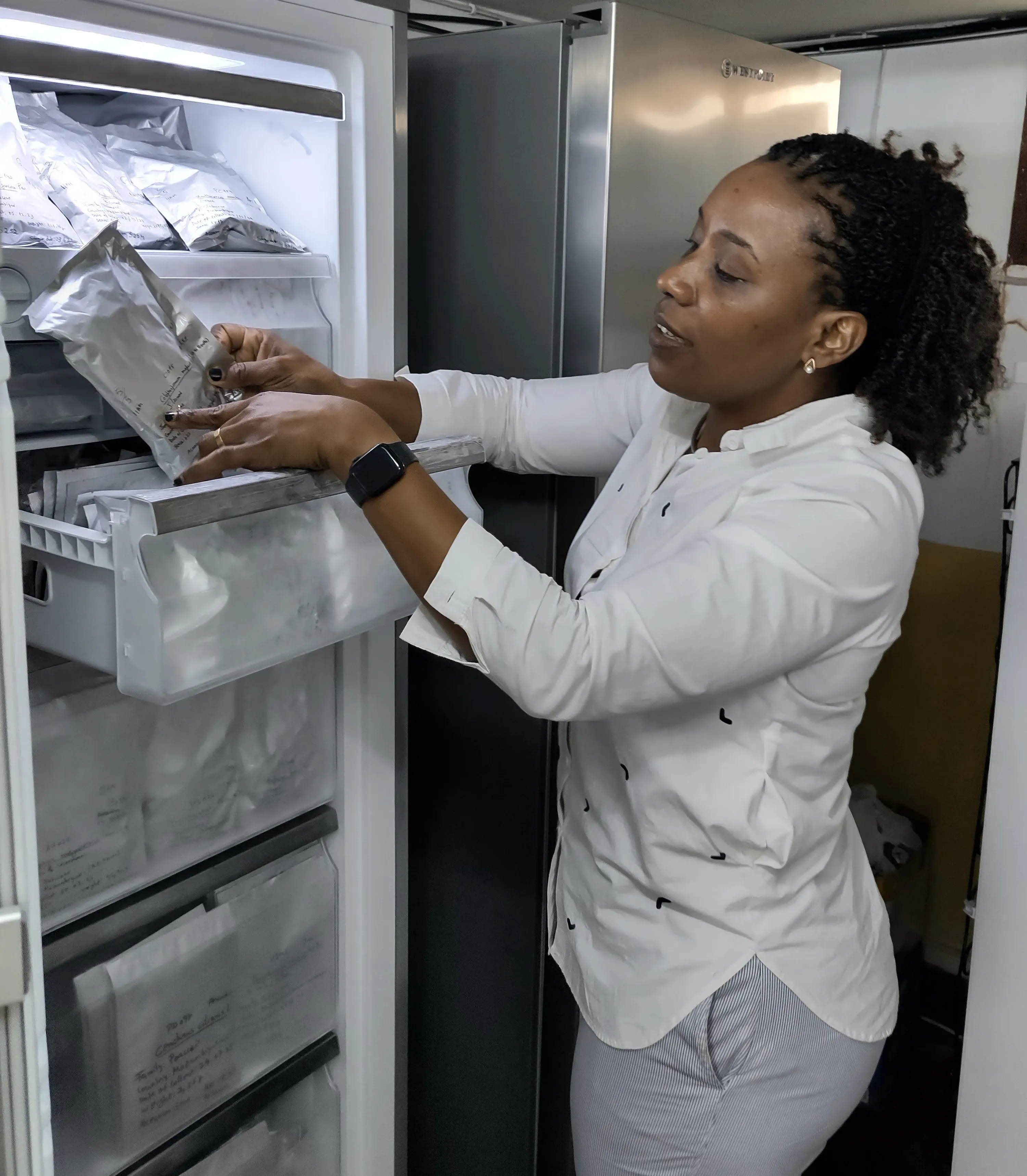
A key achievement of the Threatened Biodiversity Hotspots project was the refurbishment of the IIAM dry room. A cool dry room (kept at 15-18°c and 15% relative humidity) is critical for seed conservation so that seed moisture can be reduced to safe levels before seeds are frozen for long term conservation. A “cool” job for anyone inside.
The project also funded three dedicated freezers for the IIAM bank, increasing the capacity for ex situ wild species seed conservation.
Training is also a major part of what we do at Kew, with the Global Tree Seed Bank project supporting training of the current and next generation of seed conservationists. The result here is the creation of five seed networks in diverse agroecological regions, made up of 19 conservationists being supported by IIAM to promote biodiversity conservation. These 19 are still now receiving training and support to maintain their skills as the next generation of seed conservationists.
Overcoming challenges for conservation
There are of course challenges to our work. Political unrest in Mozambique, that began in the autumn of 2024, meant that it was too dangerous for members of the team living in the country to go out on fieldwork, and even to travel from home to the office. The fantastic team made it through what was a very difficult time and ensured that the facilities in Maputo kept running.
Working with the natural world means that you are at the mercy of biology and geography. Our collecting teams face the frequent challenge that some plants will simply not be flowering or fruiting when encountered. After travelling a long distance in tough conditions to find a plant species high on a mountain, the team can’t easily return again the next week hoping it'll be in fruit.
Sometimes the challenge is finding enough individuals or populations of a particular species to make a useful seed collection, a problem that is exacerbated when dealing with rare and threatened species. This is getting worse as the climate changes and consequently, as the phenology of plants shifts. Phenology describes when plants flower, fruit and set seed and this is becoming less predictable for seed collectors.
These are difficult and frustrating situations for our teams to deal with but morale is always boosted with every seed that we’re able to collect.
Impact, legacy, and applied conservation
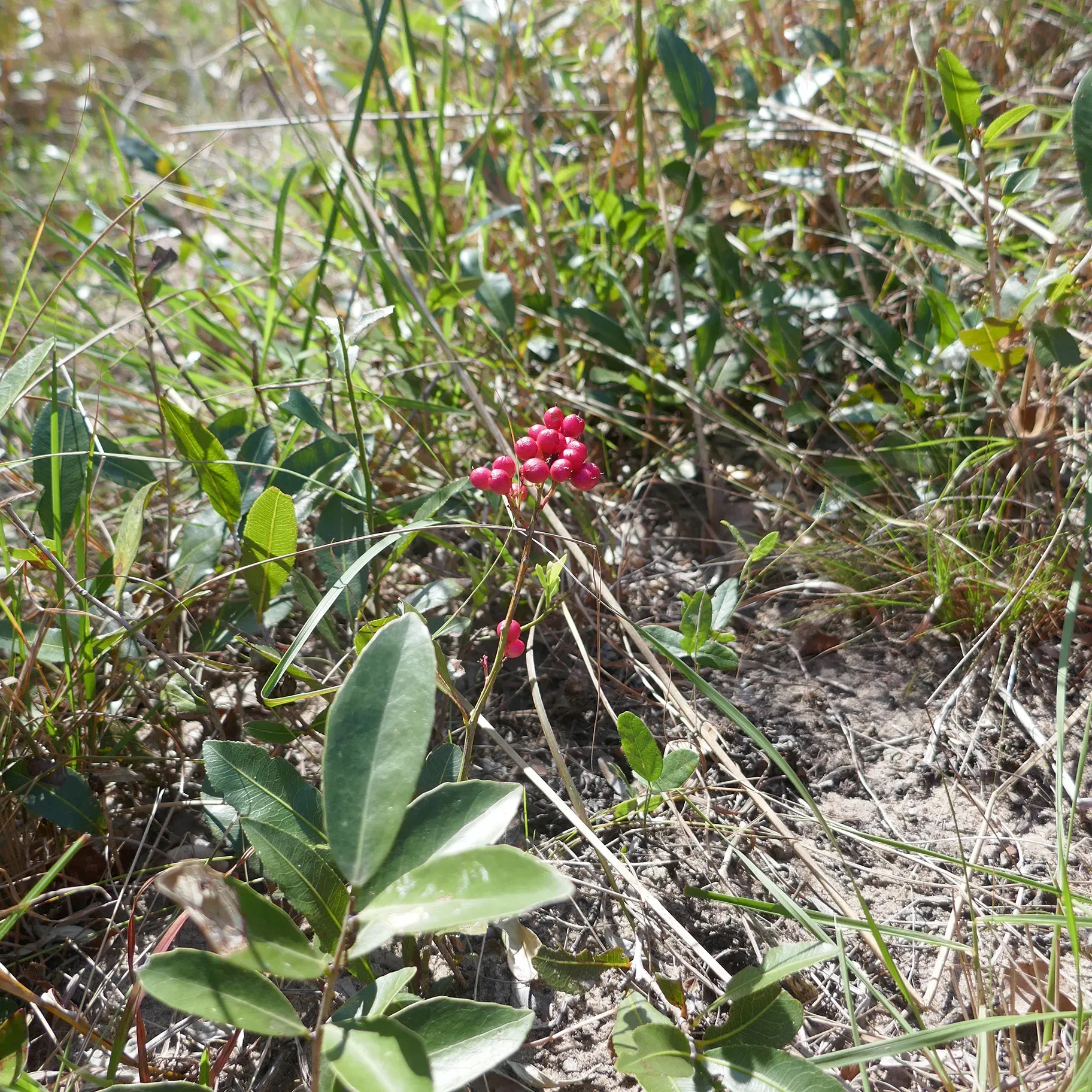
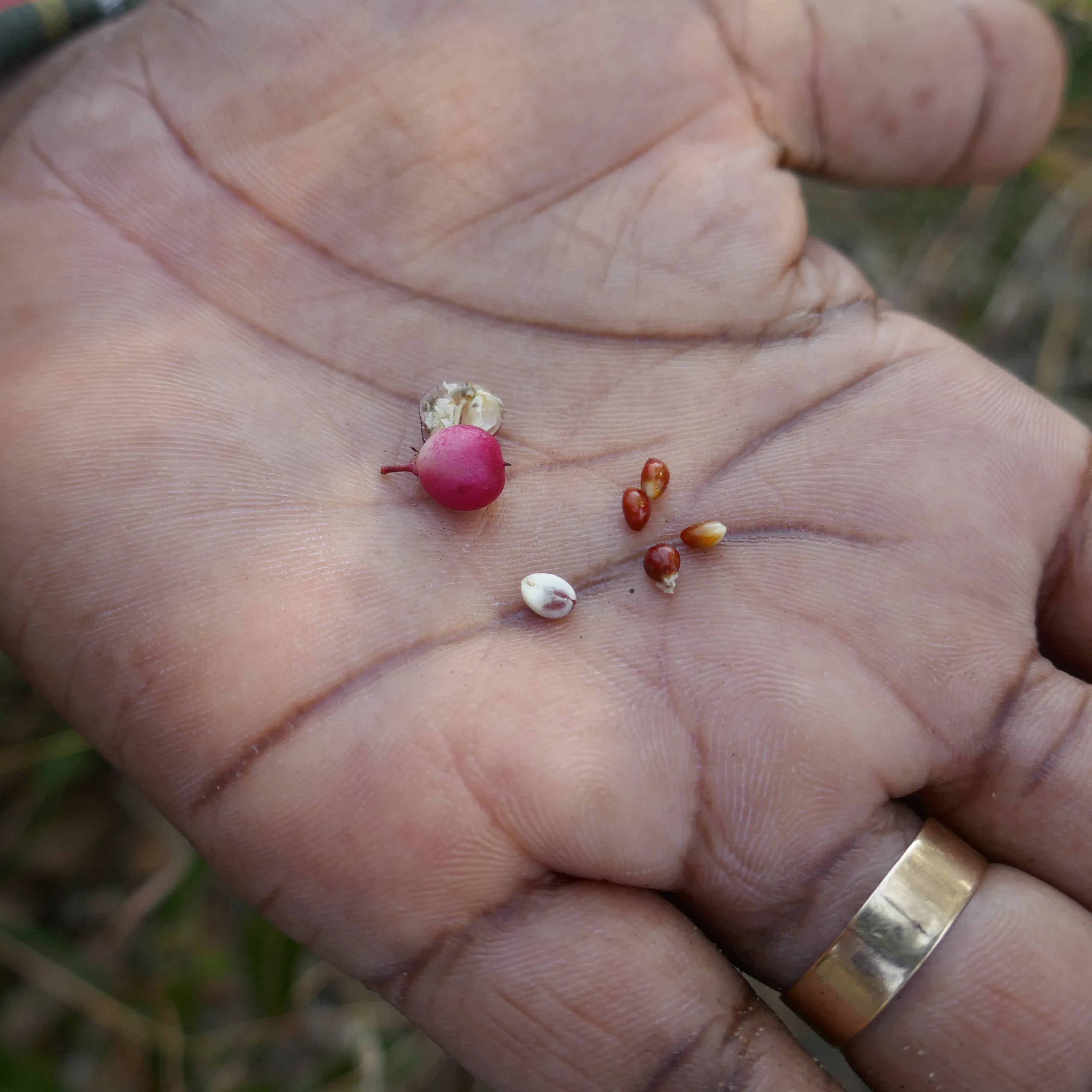
Thanks to this successful partnership and the hard work of the team in Mozambique, we have collected and banked 642 seed collections from 483 wild plant species. These plants are now saved from extinction, and the collections can be used for research and restoration projects. We regularly test the viability of the seed collections to ensure they continue to hold this potential.
Species going extinct in the wild is a worst-case scenario however and one that we're working to avoid. The IIAM team are undertaking restoration initiatives aimed at rehabilitating degraded ecosystems and supporting biodiversity conservation involving local communities. One example is the restoration programme that has been initiated in the Licuáti area of Mozambique, in the Matutuine district of Maputo province.
The Licuáti forest region was identified as an Important Plant Area of Mozambique and is home to species of conservation concern including threatened, rare and range-restricted plants. The Licuáti Thicket habitat is range-restricted and does not occur anywhere else on earth. This is a very special habitat we were lucky enough to visit together with some members of the local community that live in the area.
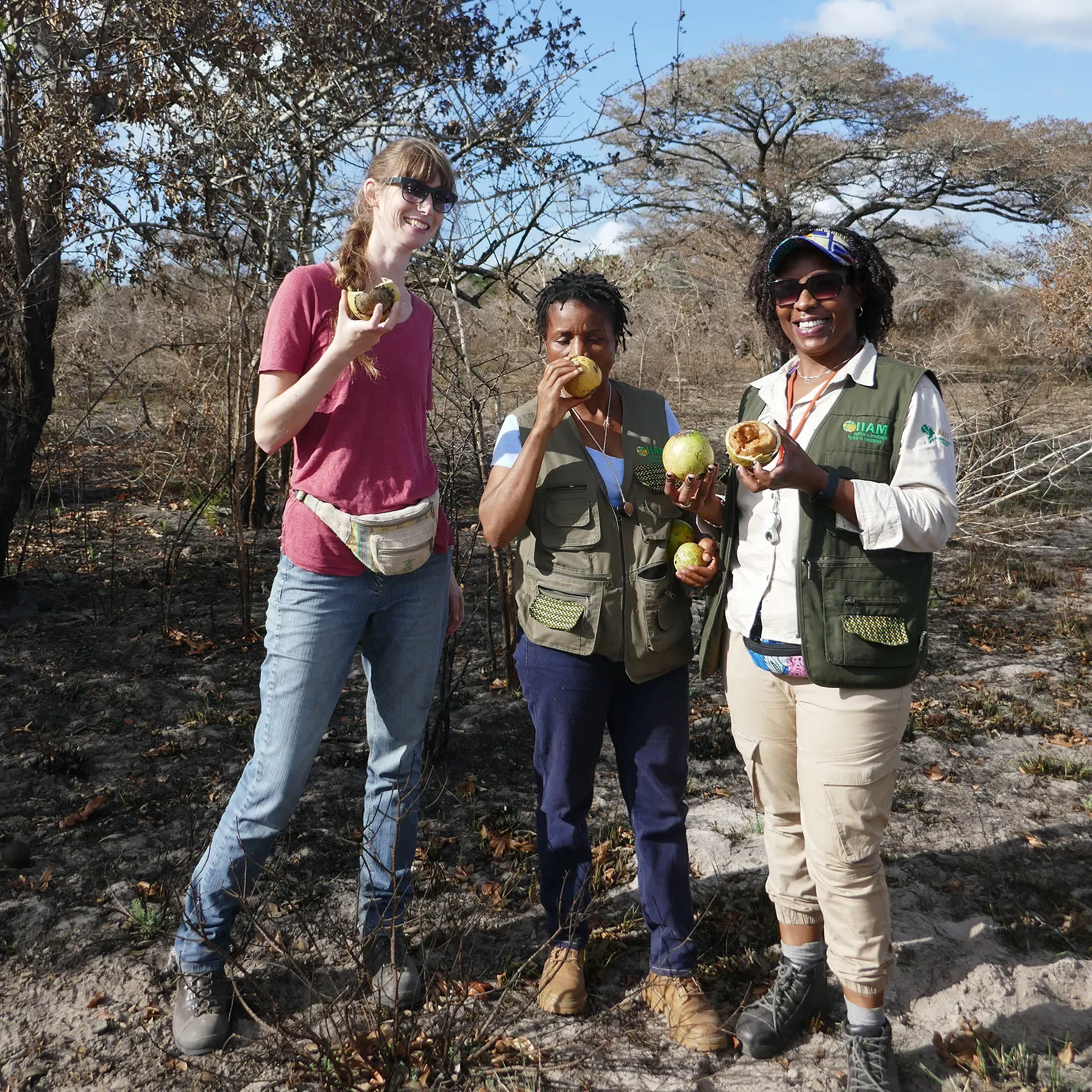
These communities have many uses for native plants, for example, food from plants like Strychnos spinosa (delicious!), palm wine from Hyphaene coriacea, medicines, and thatching and building materials.
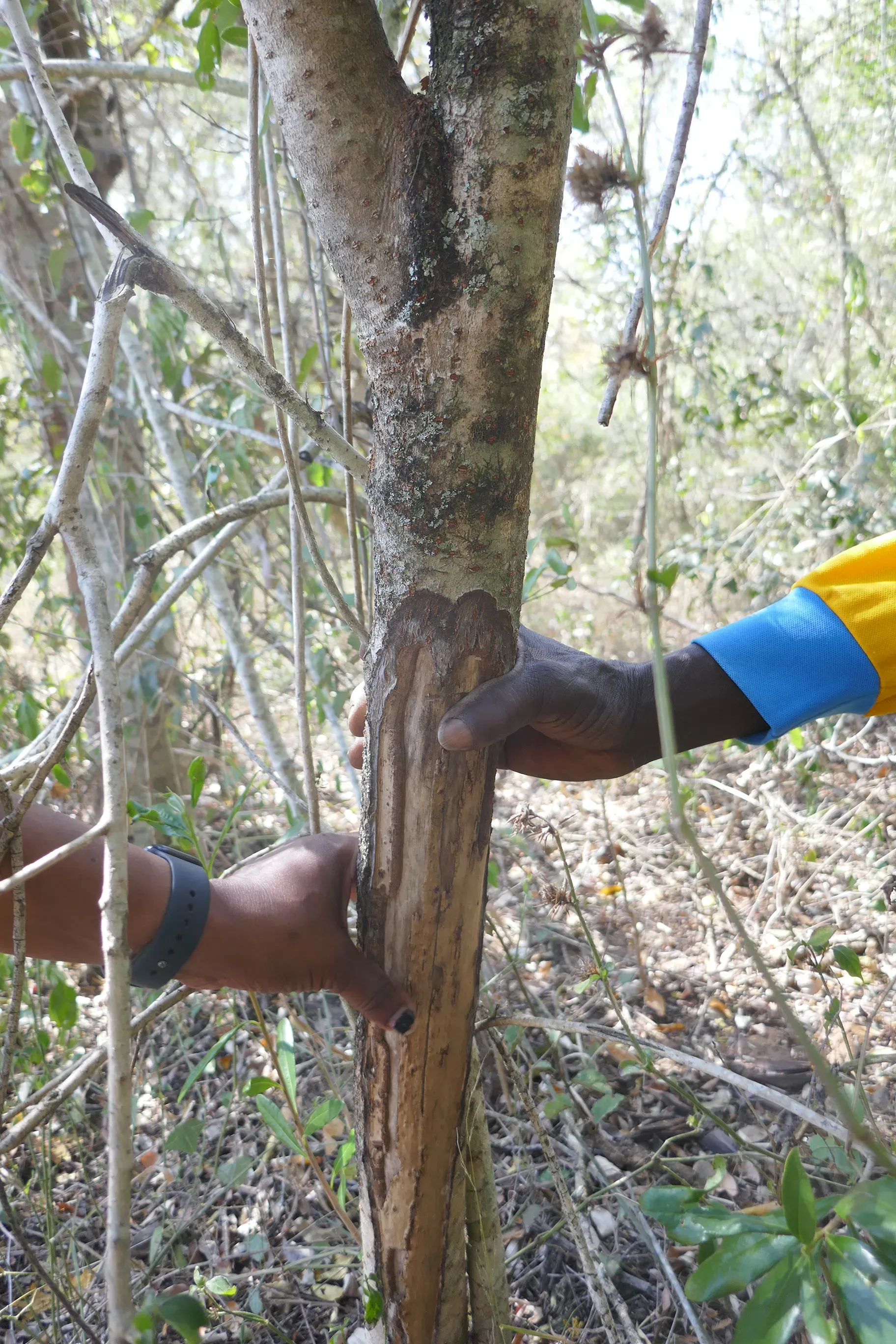
The bark of Warburgia salutaris, pepper-bark tree, is used for traditional medicine, however, the bark-stripping methods used for harvesting have proved to be detrimental to populations of W. salutaris and the tree has been assessed as being threatened with extinction on the IUCN Red List.
The Licuáti region faces threats including unmanaged burning for agriculture and hunting and the over-harvesting of trees for making charcoal. The prevalence of these activities poses a problem for the successful regeneration of the habitat.
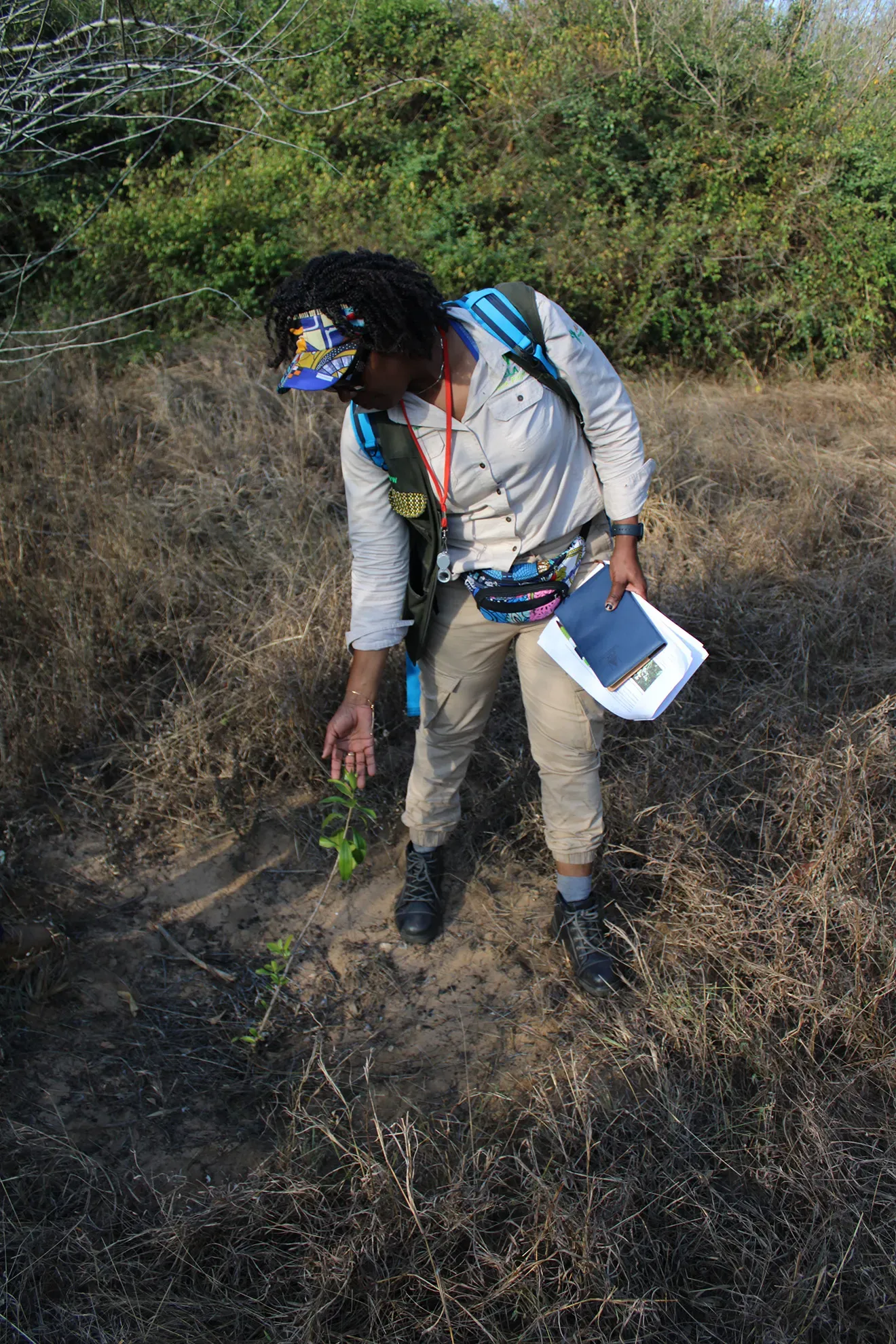
The team at IIAM have initiated a local restoration programme, supporting local communities to repopulate the area with Warburgia salutaris and other important species, including Newtonia hildebrantii and Spirostachys africana, both valuable timber trees. The IIAM team and local volunteers collected the seeds of these local native species, germinated and propagated the plants and planted them in the Licuáti area. These young trees are being maintained by the local communities. They are a few species among many likely to be a focus for conservation activities in the years ahead.
A moment to reflect on conservation aspirations
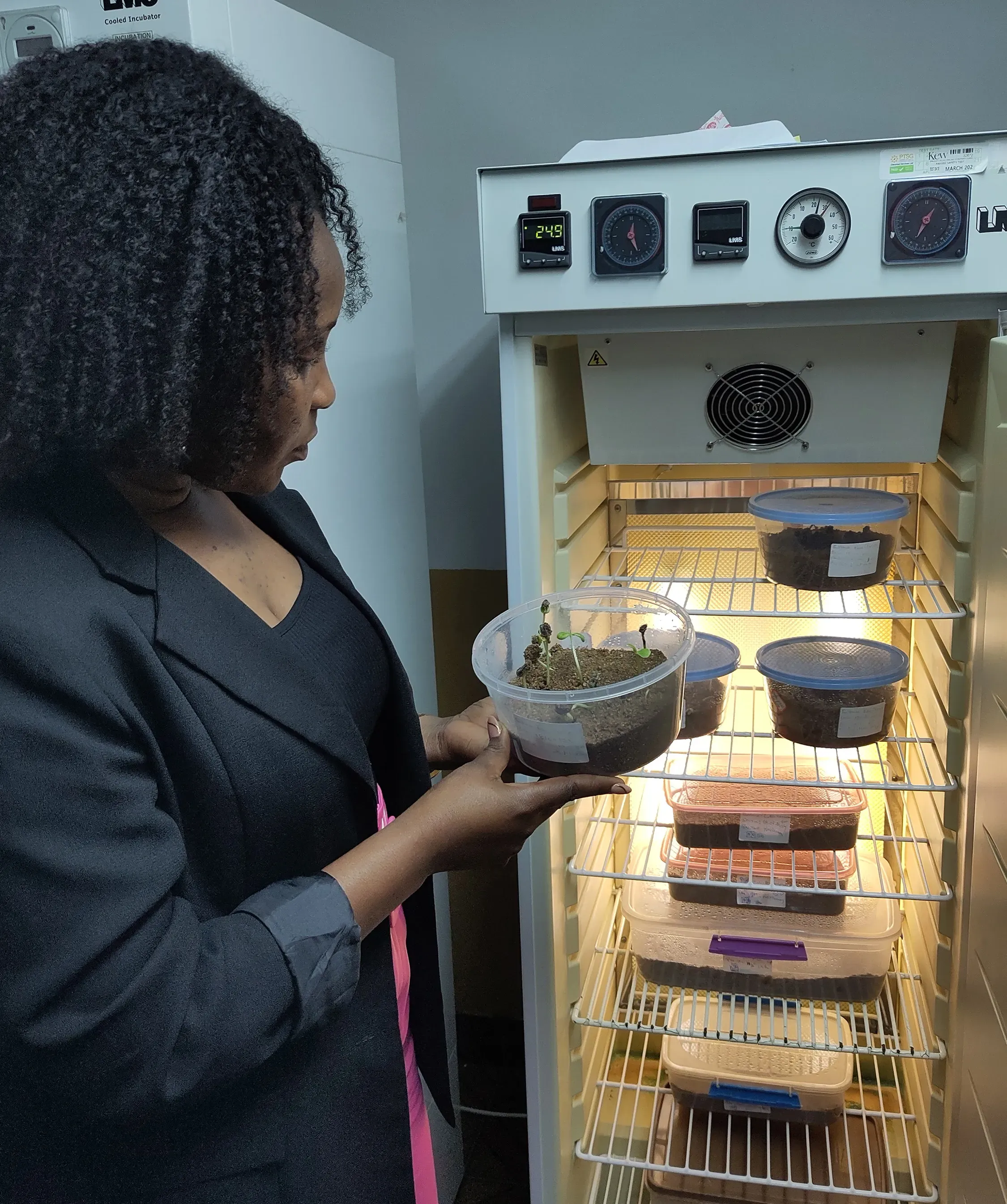
In 2025 we celebrated the partnership's work at a symposium and workshop, bringing together our teams and the new network of seed conservationists across Mozambique. The rare moment for sharing knowledge and experiences in person provided a forum in which to shape a future vision.
We heard the aspirations and needs of the teams to carry out successful seed conservation in their region. These varied greatly, ranging from needs as simple as increased budget for stationery, to the ambitious vision of building a molecular laboratory. It's important to understand the different challenges faced by the network teams as we build our future programme together.
The future vision for plant conservation in Mozambique
There remains a long way to go yet to protect the flora of Mozambique. Here at the Millennium Seed Bank we are now looking forward to the next phase of the relationship with IIAM and other partners in the southern Africa region, so that we can contribute to securing the future of the southern African flora.
With the right support, our partnership will continue to support seed conservation projects that work with local communities and enable the restoration of local plants and habitats.

Millennium Seed Bank Partnership (MSBP)
Seven plants saved by the Millennium Seed Bank Partnership