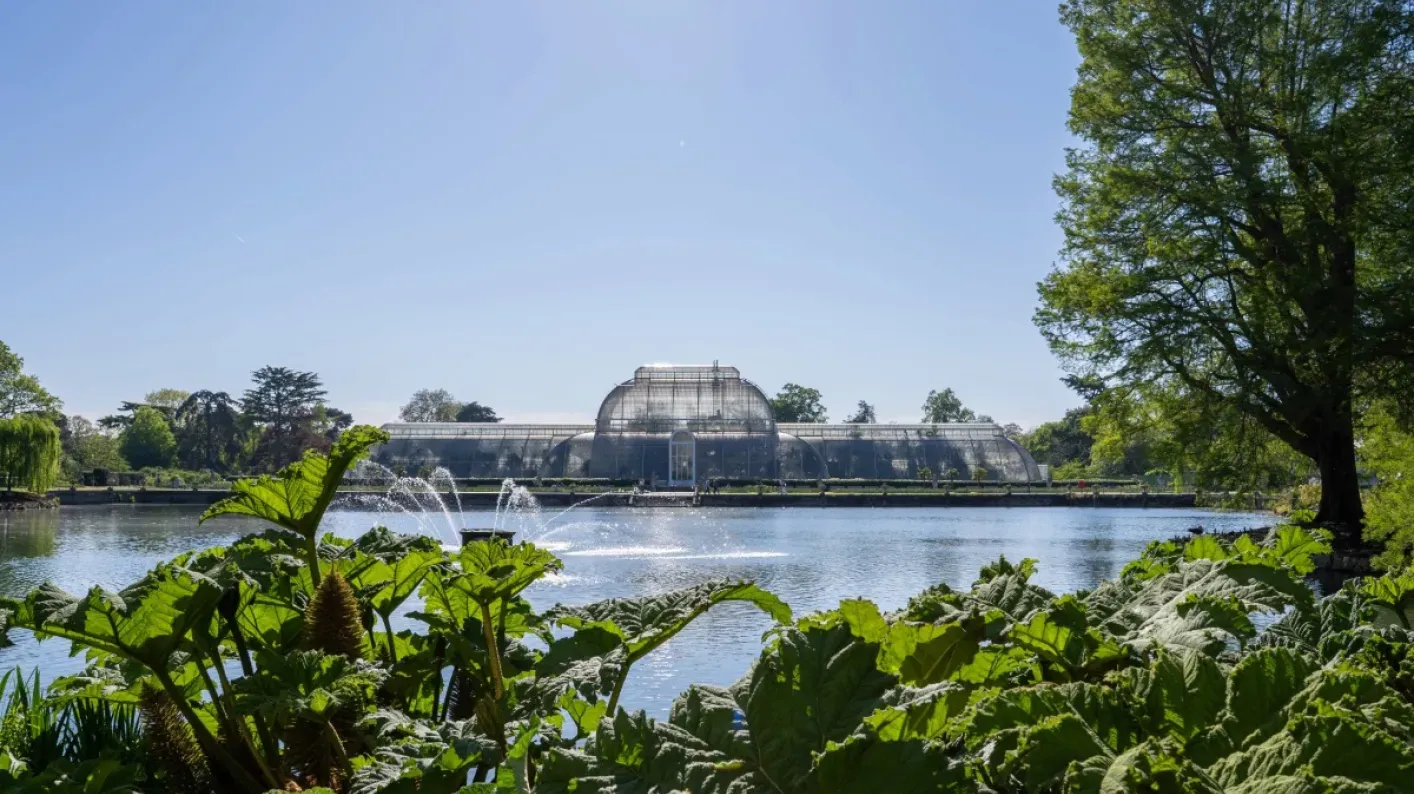
Best things to do at Kew Gardens this summer
Plan your visit with our ultimate guide, including Henry Moore: Monumental Nature and the highlights of June, July and August
Summer at Kew is the season of roses, giant waterlilies and picnics on sunny lawns.
Every corner of the Gardens is alive with colour: here are our top insider tips to narrow down your must-see areas.
Throughout summer
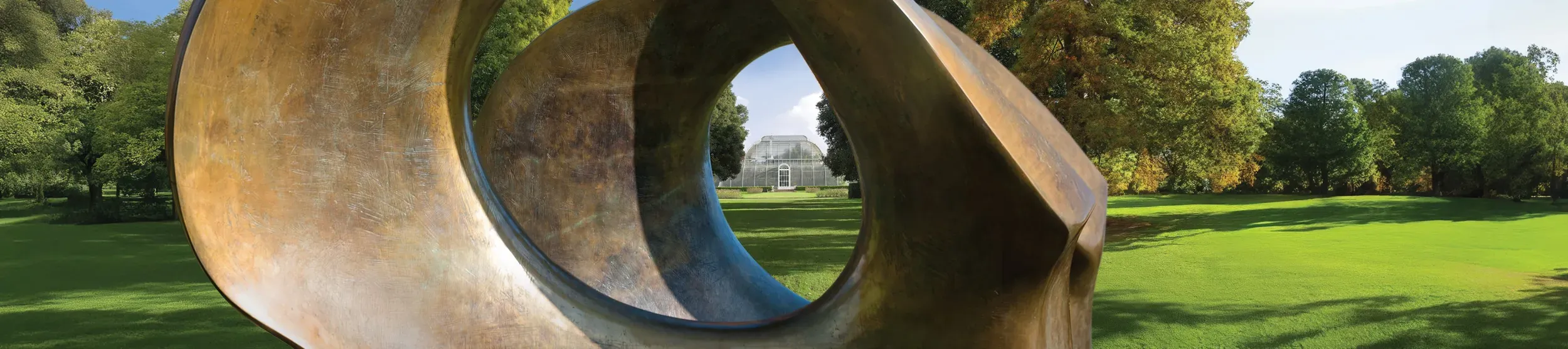
Experience the monumental artworks of Henry Moore
9 May 2026 to January 2027
Get up close to the artworks and archives of Henry Moore across the entire 320-acre site.
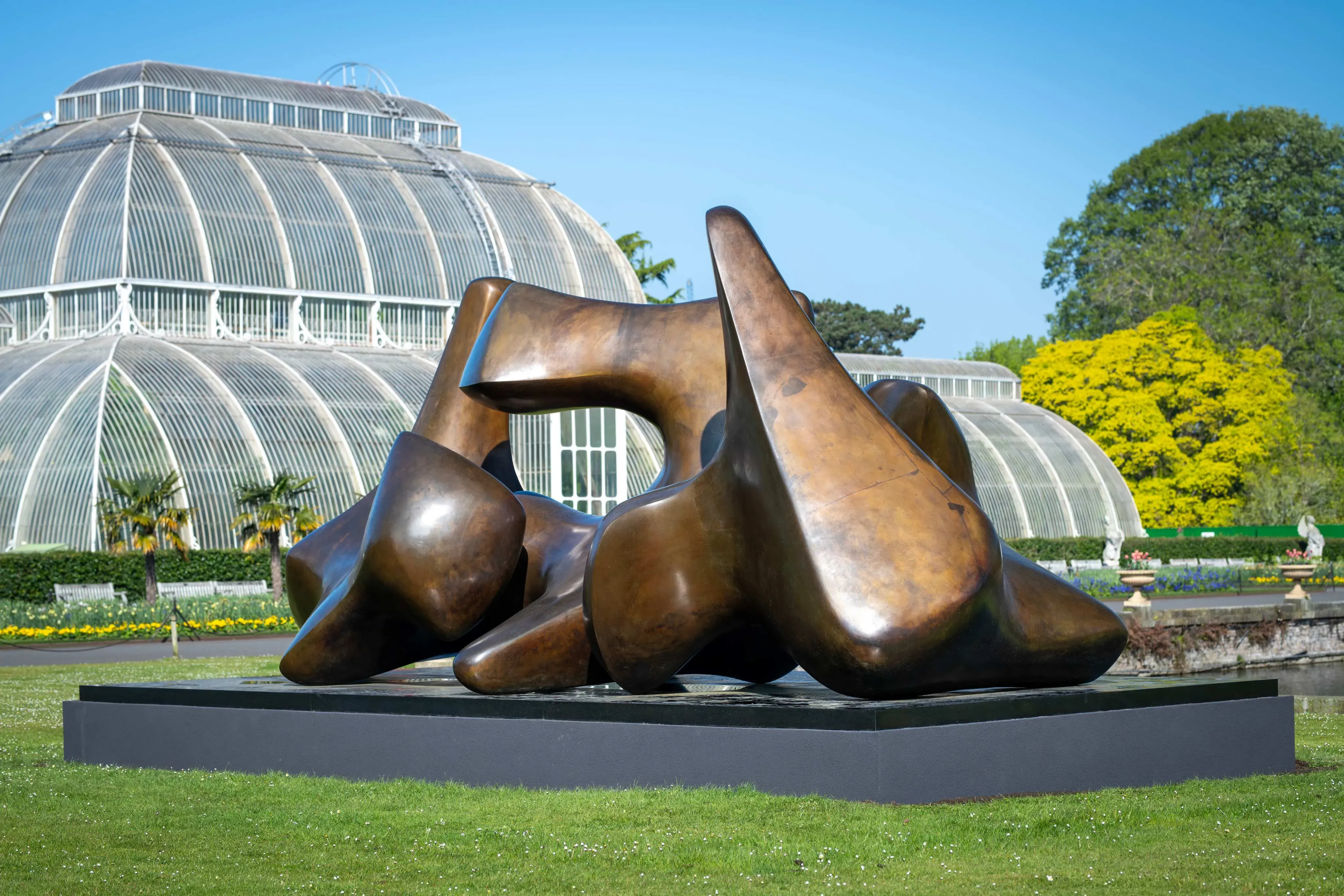
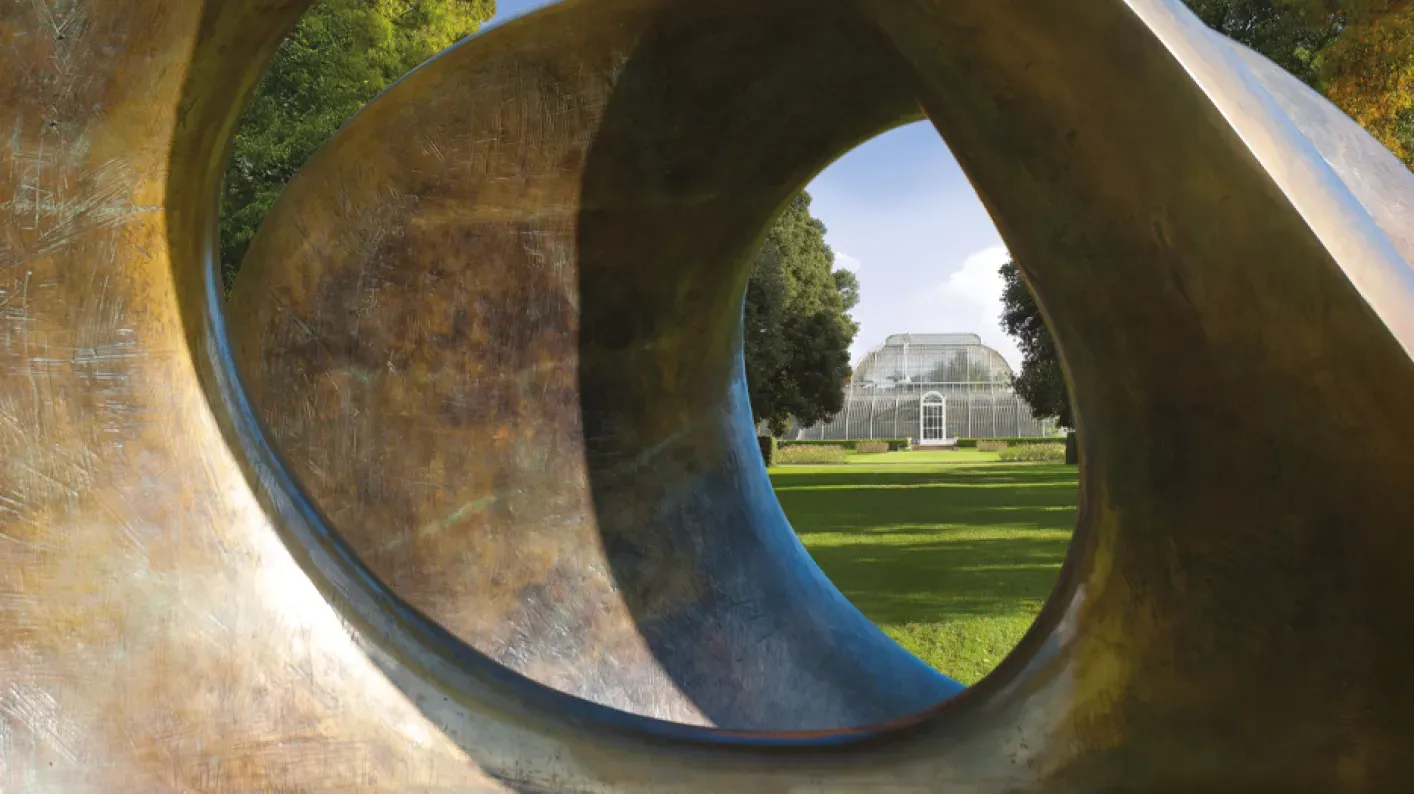
Explore the largest ever outdoor presentation of Moore's work, with 30 monumental sculptures to discover throughout the Gardens. In the Shirley Sherwood Gallery of Botanical Art, find more than 90 of Moore’s smaller-scale works, including rarely displayed sketchbooks, drawings and models.
One of Britain's greatest sculptors, Moore was always inspired by the shapes and spaces of nature. This summer, see his work paired with Kew’s iconic landscapes.
There's something for everyone, with a sensory family trail, daily guided walking tours and accessible routes around several sculptures.
Become a member for early openings and unlimited visits
Keen for Moore? Kew membership includes unlimited Garden entry, so you can come back as many times as you like.
Plus, from 1 May to 30 September 2026, Kew members and their guests can visit the Gardens from 8am. Escape the crowds, enjoy the Gardens at their freshest, and be the first to see the glasshouses when they open at 10am.
The best sunny and shady spots
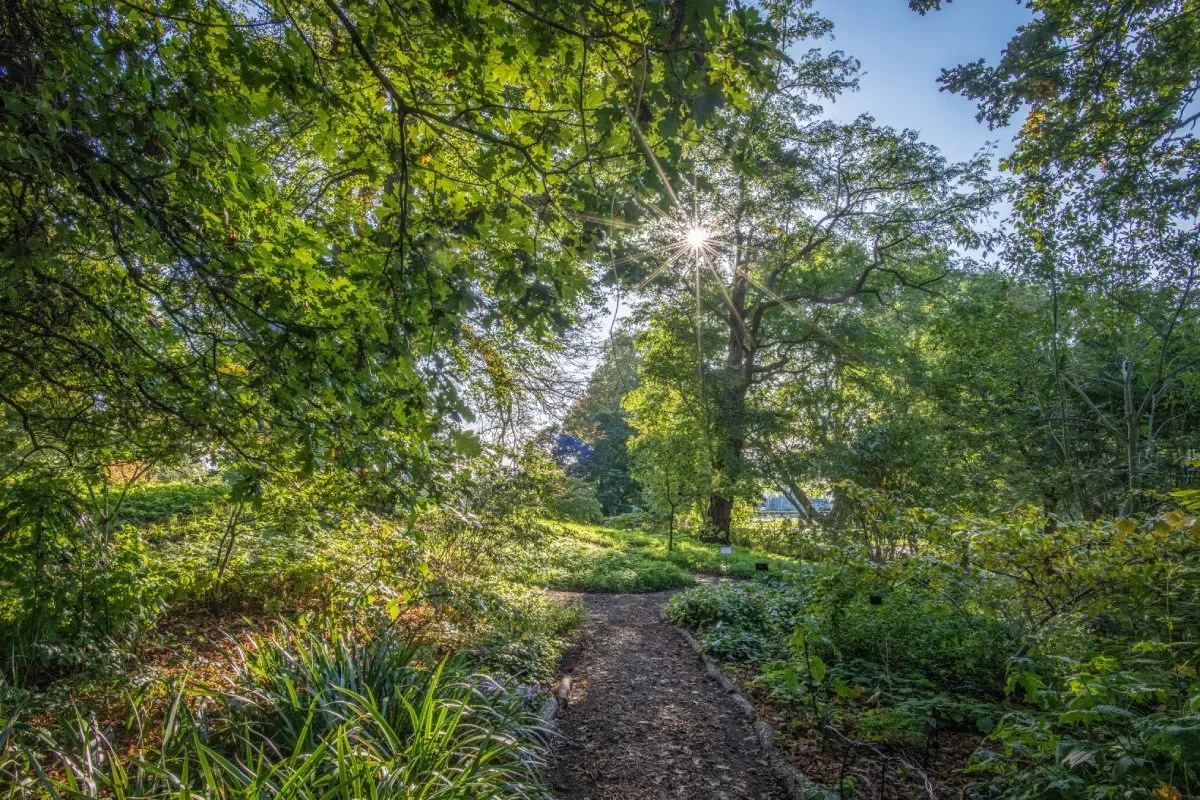
Trees are nature’s air conditioners, and we’ve got thousands of them. On summer’s hottest days, relax in the shade of our Natural Area, Arboretum, Pinetum and Woodland Garden.
Or grab a cold drink from the Orangery and stretch out under the trees nearby – some of which are Kew’s oldest.
Sun-lovers are welcome to picnic and sunbathe on our lawns. Some of the sunniest spots are next to the lake along Syon Vista; in front of Kew Palace; the Rose Garden; and the Mediterranean Garden, which is filled with olive trees and rosemary to evoke sun-kissed holidays.
Just a few steps away from the Mediterranean Garden, our pop-up Food Village keeps the summer vibes going with frozen margaritas, Pimm's, mocktails and street food. Find it behind the Temperate House.
Visiting with family
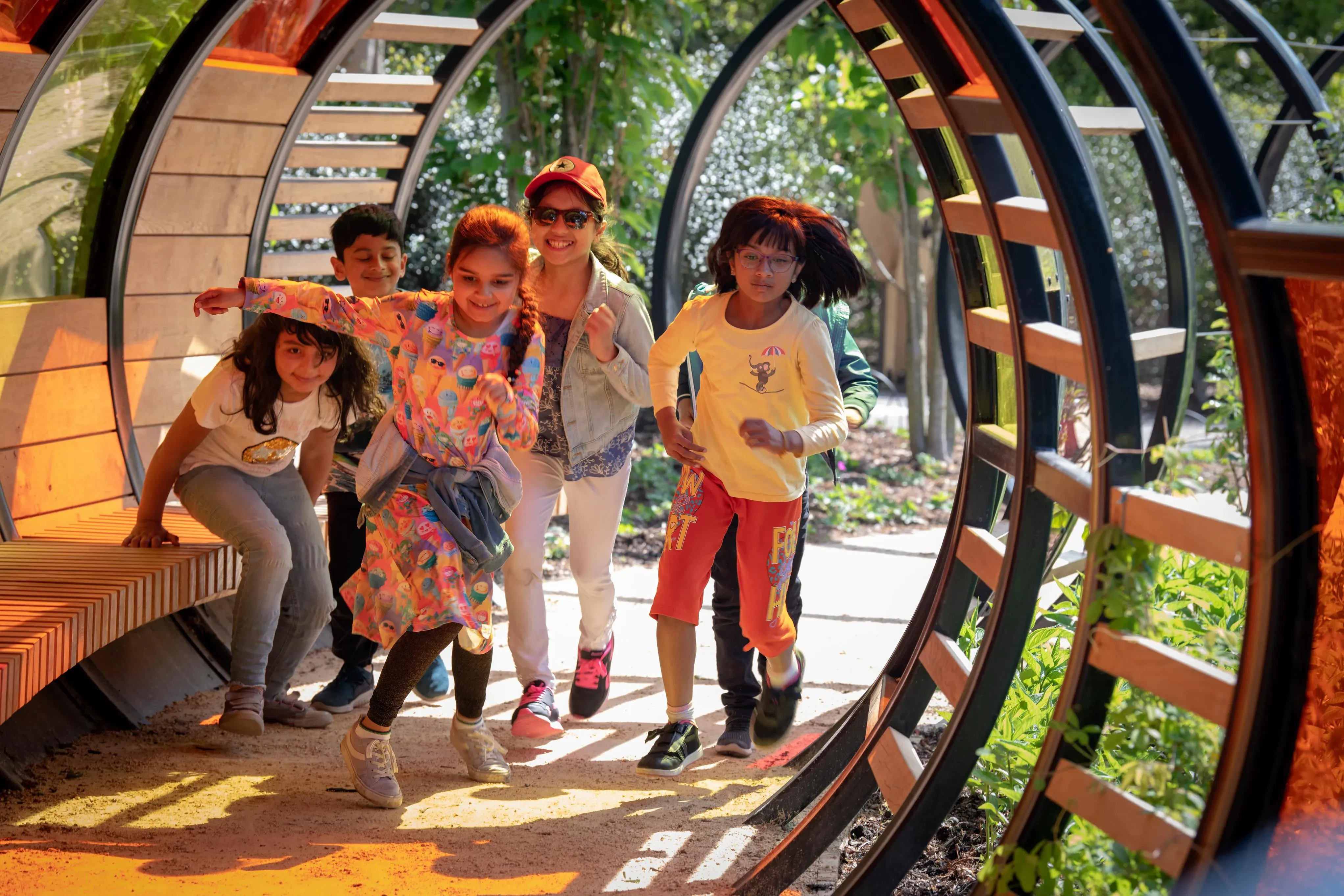
Bring the whole family to Kew this summer for a day out like no other.
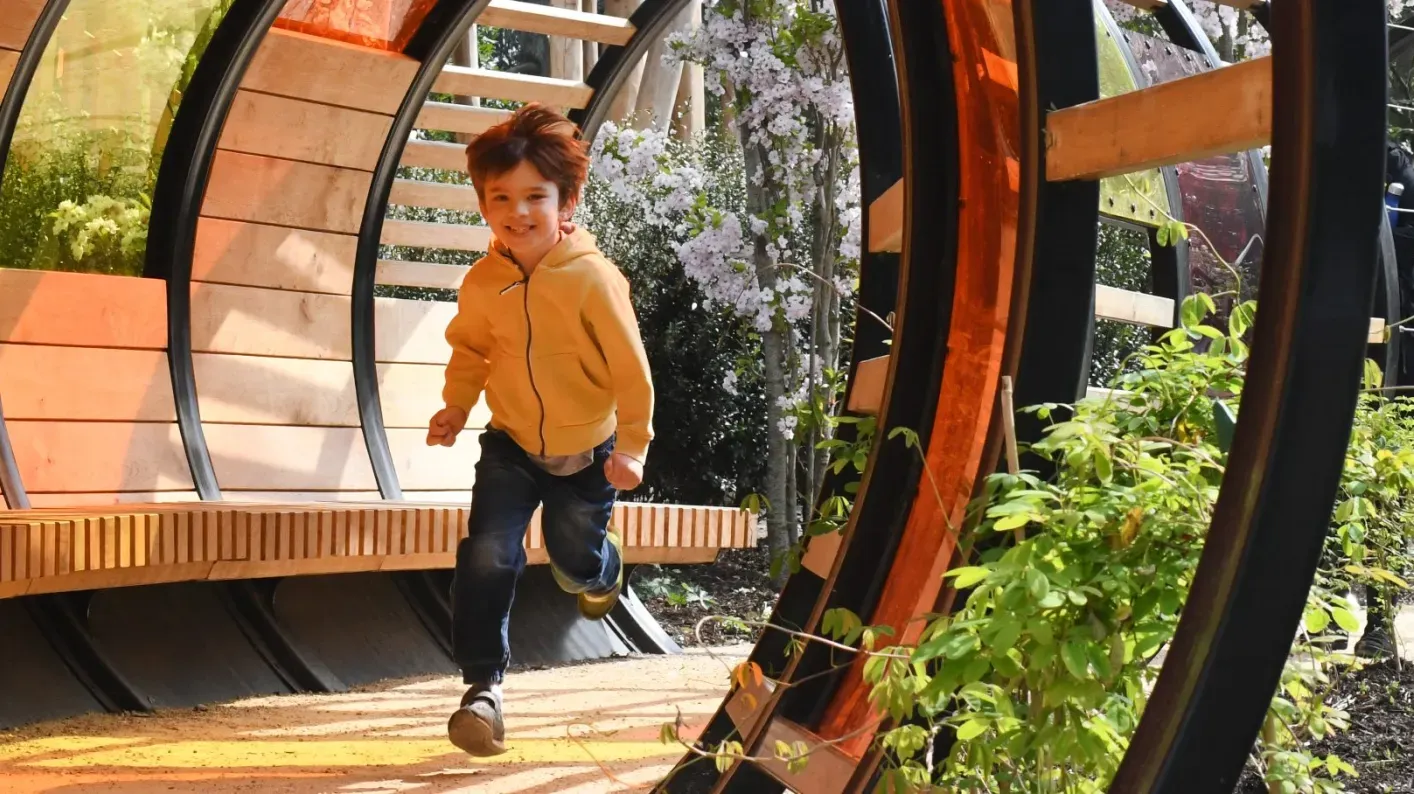
Kids can run wild in our Children’s Garden, located next to the Family Kitchen for family facilities, ice-cream, hot food and snacks.
Experience life inside a beehive at The Hive, our immersive giant art installation inspired by real Kew Gardens bees: it's a hit with visitors of all ages.
In the Natural Area, don’t miss our giant badger sett, designed for young visitors to climb inside.
Pick up a Henry Moore Family Trail guide at the gates for an interactive experience for ages 6 to 12, taking in 10 of the best-known sculptures.
Find out more about visiting Kew as a family this summer
What to see, month by month
Although living plants and their blooming times can be unpredictable, we can make educated guesses on what'll look best each month throughout the year.
Our glasshouses are open all year round, but temperatures inside can be very hot during summer, particularly on upstairs walkways. Please take care during your visit.
What to see in June
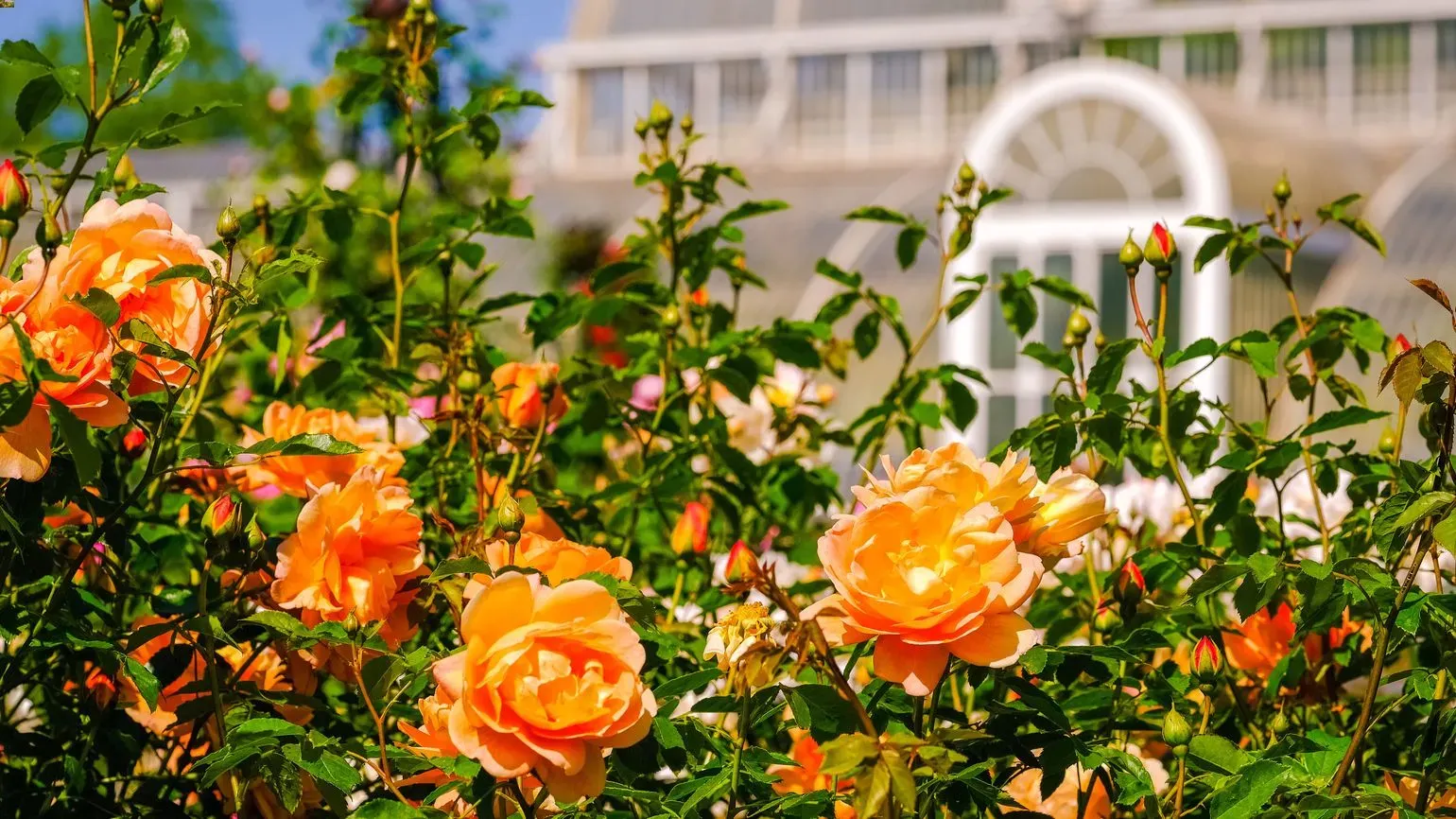
The highlight of early June is our famous Rose Garden. It’s home to more than 170 different rose species and cultivars – from delicate white blooms, through shades of pink, apricot and yellow to vibrant red. Visit in the morning or early evening to inhale the scent at its strongest.
Next to the Rose Garden is the Wild Rose Garden, where dog roses and their relatives create a feast of petals and fragrance.
Keen for more roses? Don’t miss the spectacular rose pergola in the Agius Evolution Garden.
In late June, our giant waterlilies (Victoria sp.) in the Princess of Wales Conservatory are at their most spectacular in late June, with leaves up to three metres wide.
%20crop.jpg03d9.webp?itok=HaNxGpd6 "Giant waterlily, Victoria boliviana © RBG Kew")
What to see in July
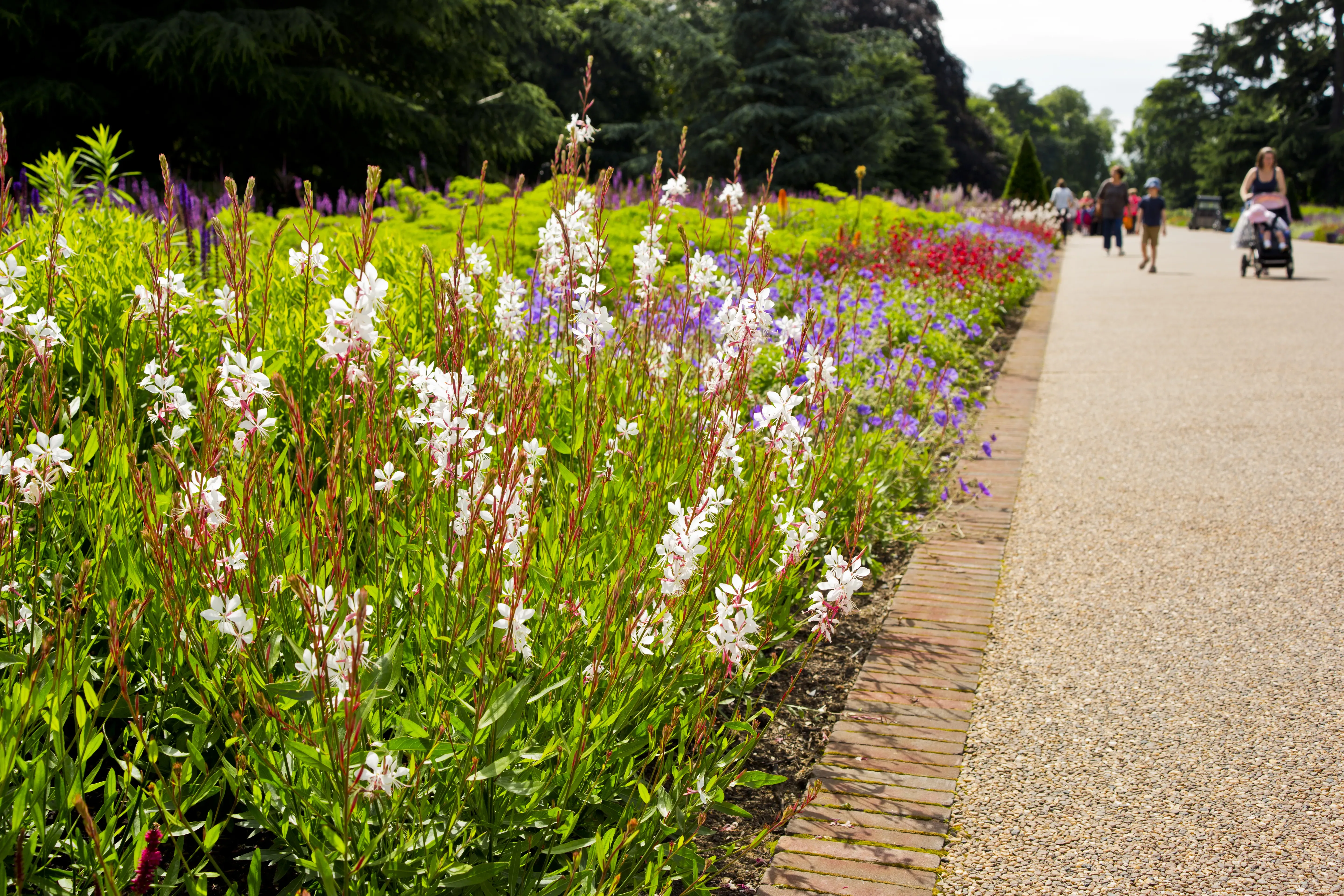
Our Great Broad Walk Borders make a stunning photo opportunity, planted with showstopping agapanthus, lavender, alliums, salvias and many more. They’re the longest double herbaceous borders in the UK and possibly the world, at more than 320 metres long.
The giant waterlilies’ flowers are starting to appear in the Princess of Wales Conservatory, blooming white on the first day and pink on the second.
Grab lunch or a coffee break at the Pavilion Bar and Grill, with a quick detour to catch the soft pink blossoms of the nearby Persian silk tree (Albizia julibrissin) (map reference D8).
Wander through the Rock Garden and the Queen’s Garden for bright summer colour and beautiful blooms.
What to see in August
It’s the season of plenty in our Kitchen Garden, where plums, berries, peaches and corn are ripening.
On the Great Broad Walk, you’ll be surrounded by bright rudbeckias and coneflowers from the daisy family (Asteraceae).
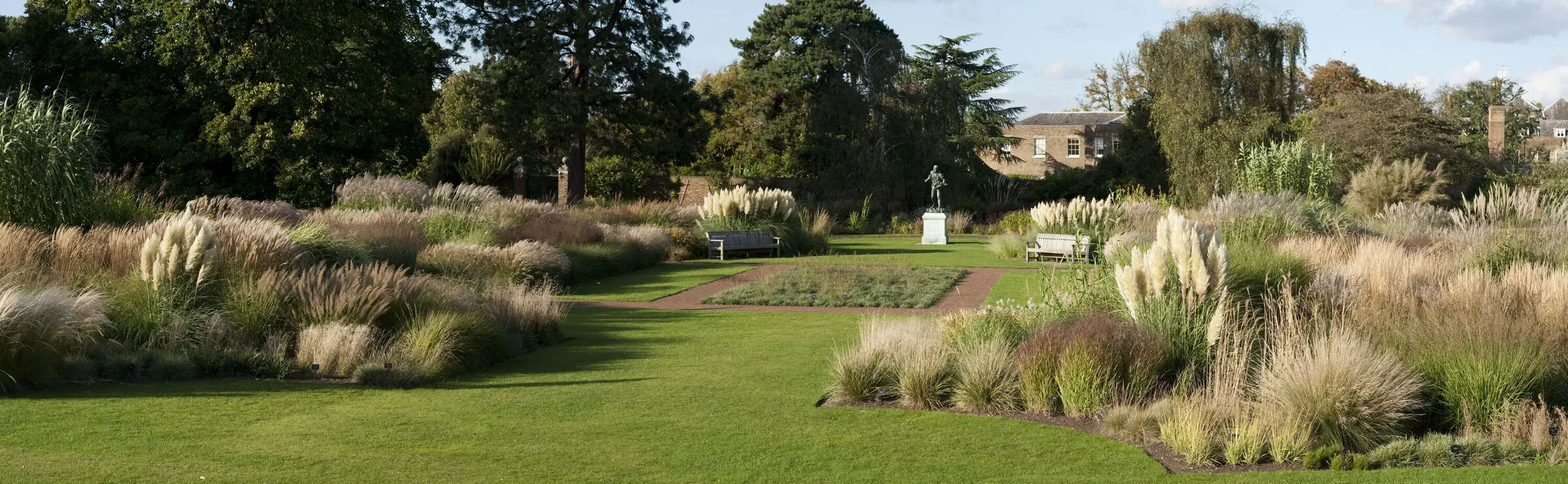
Giant rhubarb (Gunnera sp.) towers over visitors’ heads in front of the Botanical Brasserie. The Grass Garden is putting on a grand display of tall, feathery flower plumes, particularly the silver grass (Miscanthus sp.) and reed grass (Calamagrostis sp.)
Visit the Princess of Wales Conservatory to spot the hairy, smelly blooms of the carnivorous carrion flower (Stapelia).
Whatever you love about summer, Kew Gardens is the place to be. See you soon!
You might also be interested in
Family-friendly things to do at Kew this summer
From family trails and the Natural Area to interactive learning, there's something for every child during the summer holidays.
Henry Moore: Monumental Nature