8 May 2026
5 min read
Flowers on the EDGE: the first global assessment of the most unique flowering plants
Discover how scientists are identifying the world’s rarest and most evolutionarily unique flowering plants, and why many face extinction within decades.


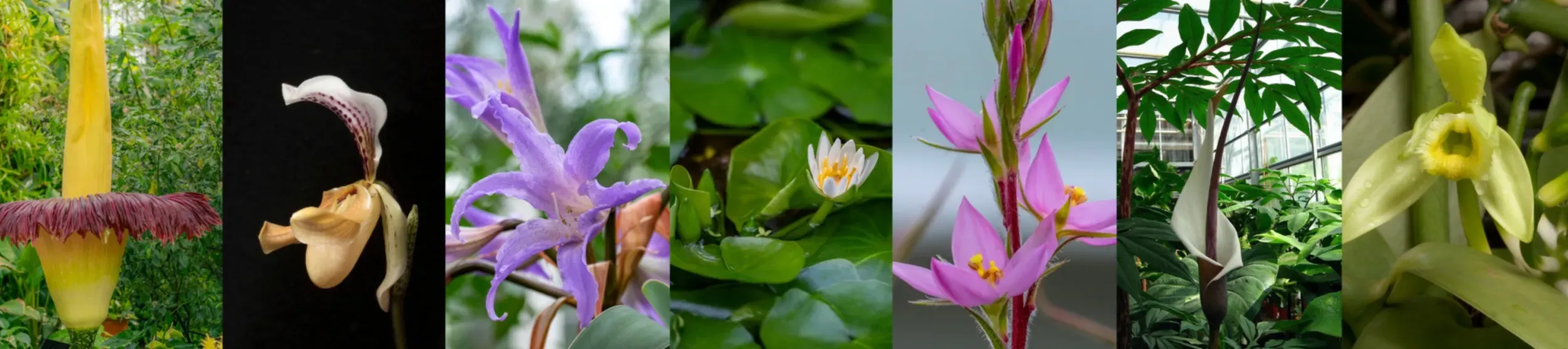
From vanilla orchids to smelly titans, Kew and Zoological Society of London (ZSL) have identified 10,000 flowering species that are Evolutionarily Distinct and Globally Endangered (EDGE). However, they are at risk of vanishing.
But what exactly is an EDGE species, and why does it matter? Developed in 2007 by ZSL, the Edge of Existence Programme came up with a way of measuring how genetically unique a particular species is, and how at risk it is of extinction. Simply put, saving an EDGE species from extinction means saving an irreplaceable branch of the Tree of Life – and possibly our next antibiotic or cure for cancer.
Unveiling nature’s most distinctive blooms
In partnership with ZSL, Kew has recently assessed over 335,000 flowering plants (also known as angiosperms) to work out what plants are EDGE species.Using a tree of life based on molecular data and a globally recognised list of vulnerable species complemented with extinction risk predictions, scientists discovered that 9,945 of these plants are EDGE species.
Looking at the big picture, this means we are at risk of pruning the angiosperm Tree of Life by over a fifth.
Among these plants includes top-ranked EDGE species:
- Hondurodendron urceolatum: Referred to by locals as guayabillo due to its fruit resembling a guava, this tree exists in a few scattered populations across a single mountain range in Honduras.
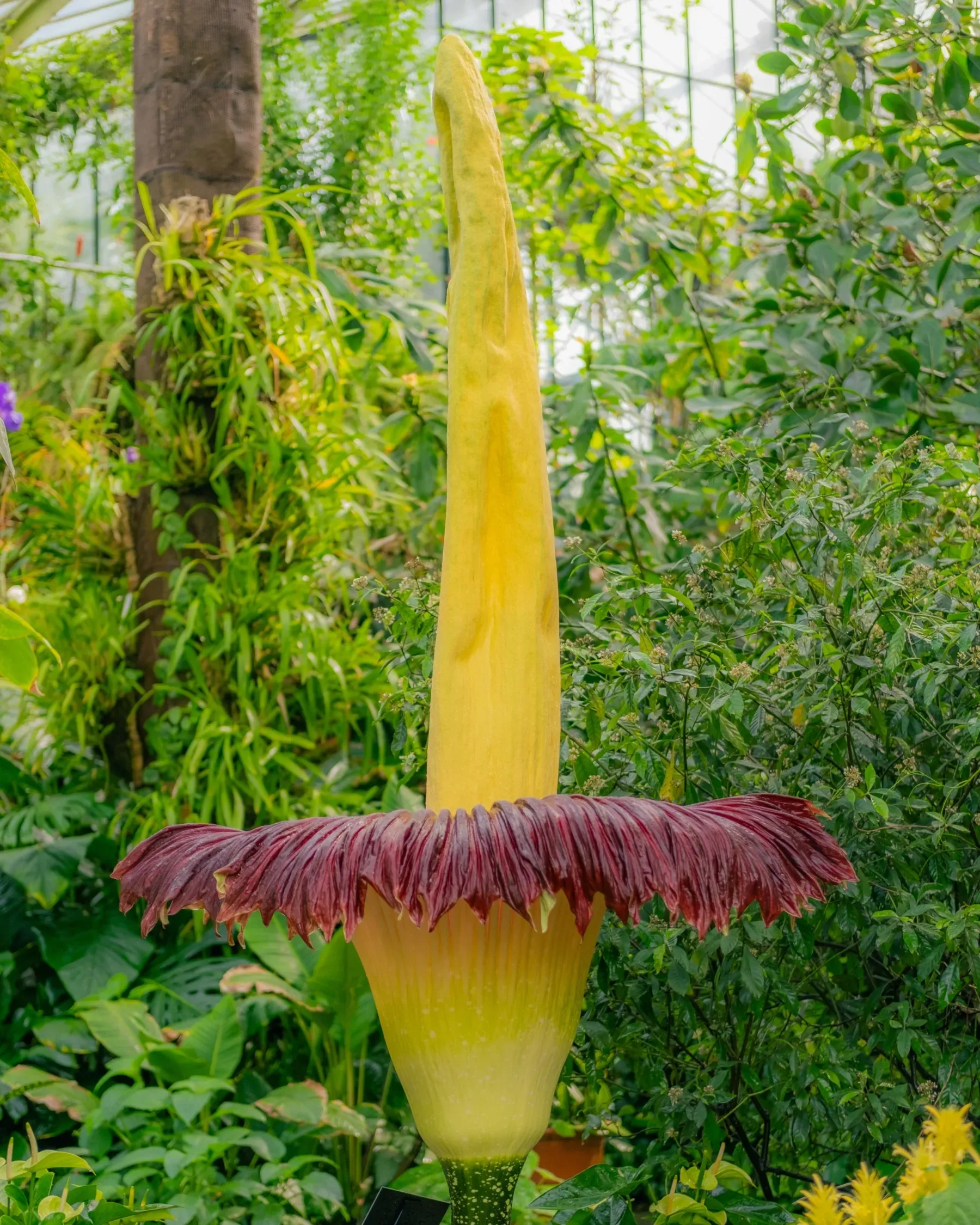
- Amorphophallus titanum: Described as the ‘world’s smelliest plant’ and the ‘corpse flower’, titan arum's population has been declining due to logging and forest conversion to oil palm plantations.
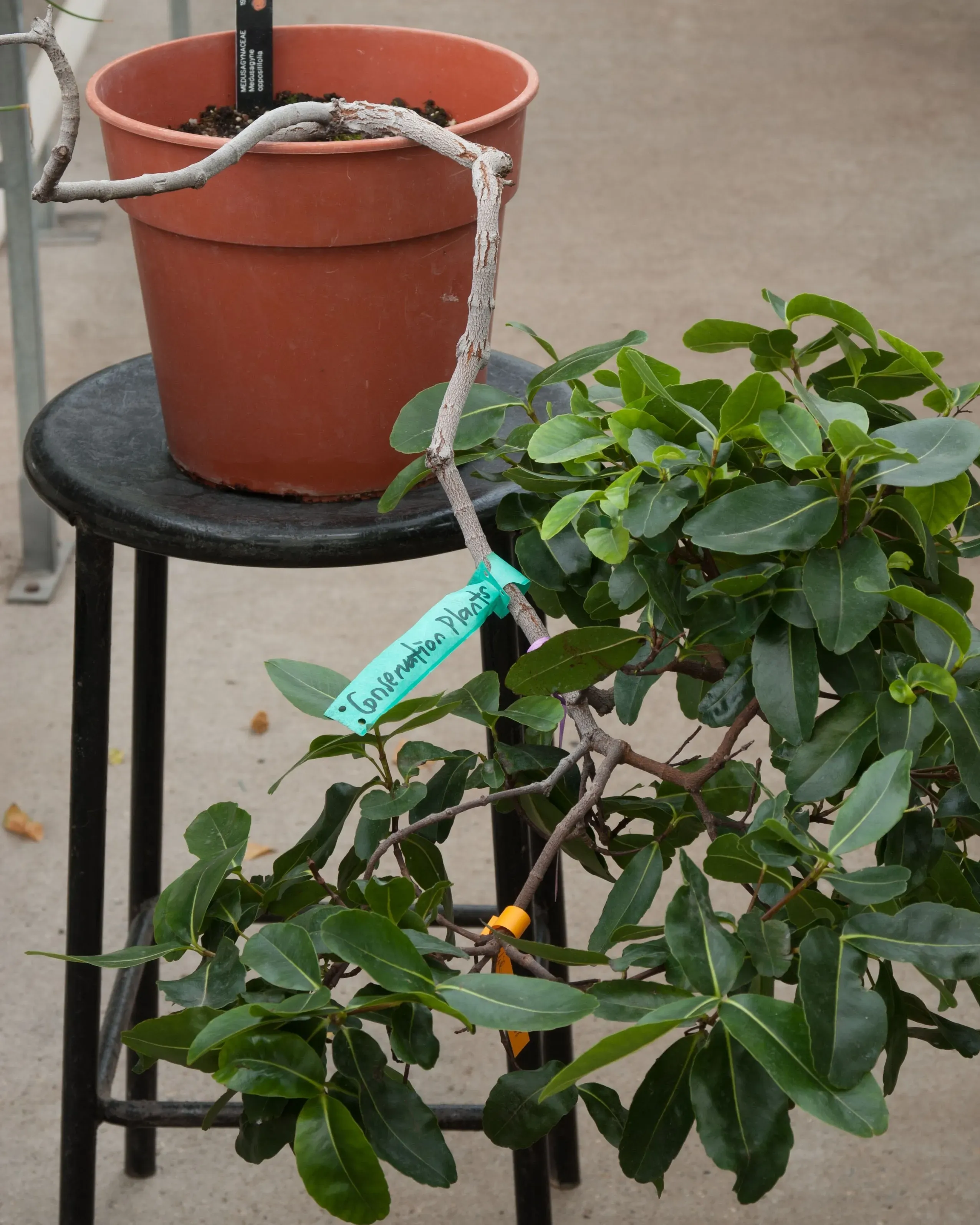
- Medusagyne oppositifolia: Considered to be extinct until the 1970s, few individuals of the unique jellyfish tree – named due to its jellyfish-like flowers - are found on a single island in the Seychelles today.
- Kewa acida: Named after Kew, the salad plant is native to the St Helena island in the South Atlantic and is at risk due to invasive plant species and introduced grazing animals.
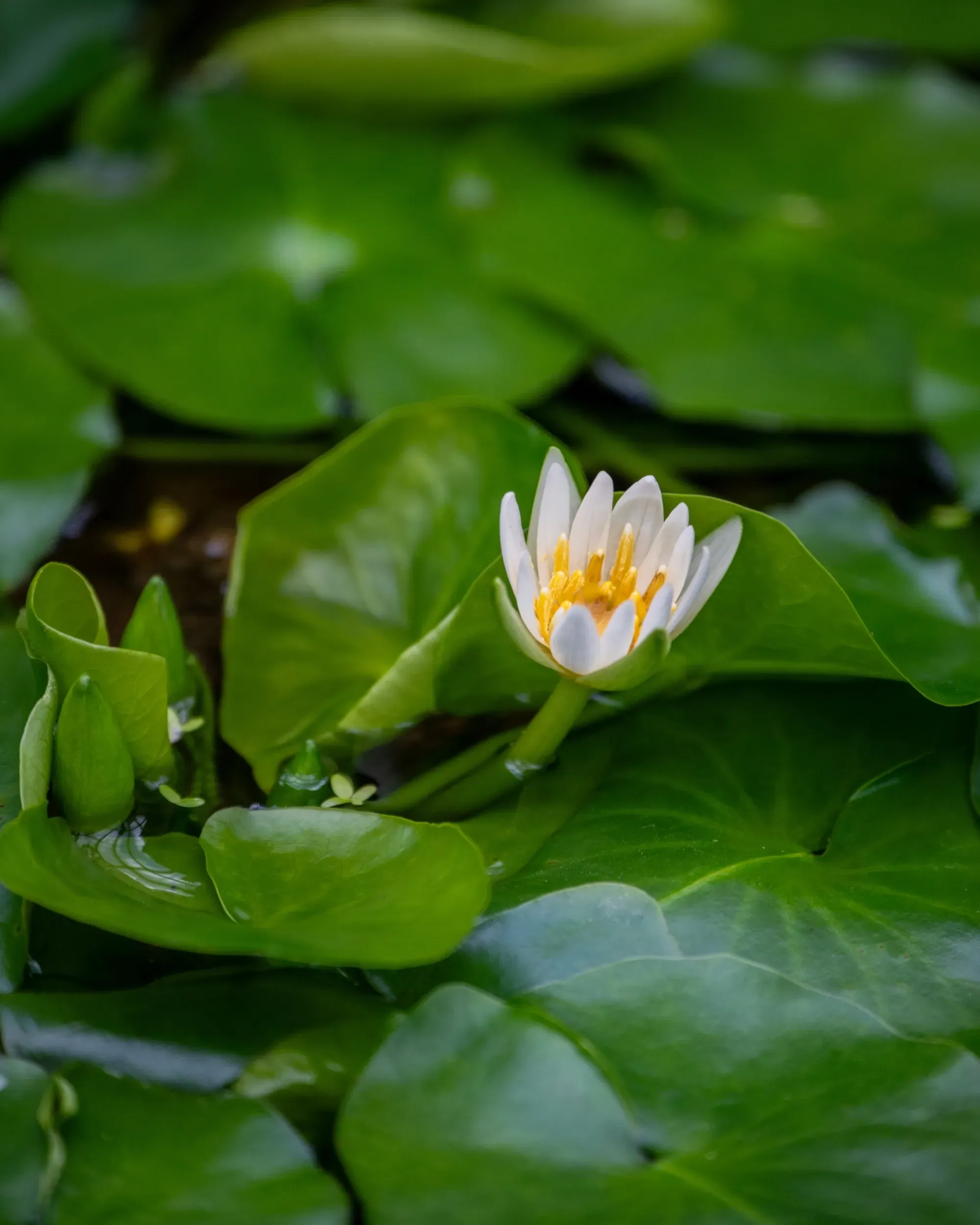
- Nymphaea thermarum: Native to thermal hot springs in Rwanda, the world’s smallest water lily is faced with habitat destruction from increased agricultural and mining activities.
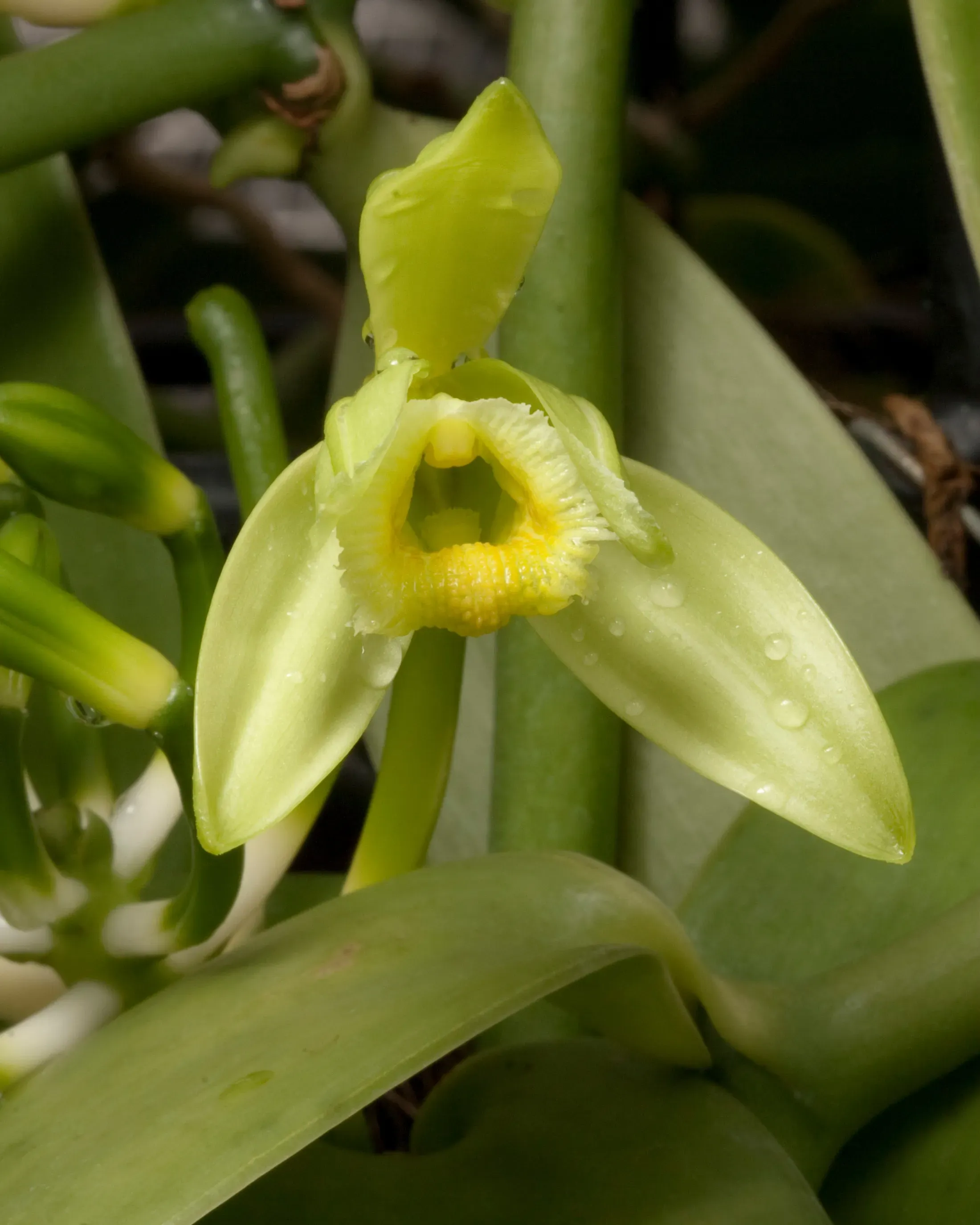
Other EDGE flowering plants are known for the many ways they are used by people. For example, Vanilla planifolia - the orchid that provides vanilla pods, and Gomortega keule – a plant used for its timber and edible fruits in Chile.
What about other EDGE species?
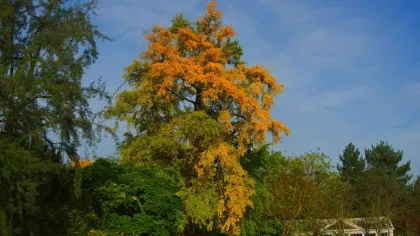
Previously, EDGE scores had been calculated for more than 70,000 animal species, and nearly 1000 non-flowering plant species (also known as gymnosperms). These include the ancient maidenhair tree (Ginkgo biloba), the mysterious Wollemi pine (Wollemia nobilis) and the towering monkey puzzle tree (Araucaria araucana) — all of which you can see at Kew today.
%20in%20autumn.jpg07db.webp?itok=tVwj9cKX "Maidenhair tree (Ginkgo biloba) in autumn, Andrew McRobb © RBG Kew")

How Kew is helping
The findings on EDGE species of flowering plants will contribute toward global measures (or ‘indicators’) that show how much of the Tree of Life is being preserved. See more on the tree of life indicators here.
These indicators are used in an international agreement called the Kunming-Montreal Global Biodiversity Framework. Adopted by almost 200 countries, it is responsible for setting major conservation goals, including the ‘30x30’ target (aiming to protect 30% of the world’s land, freshwater and oceans by 2030).
"The benefits that EDGE species provide to society are as unique and irreplaceable as the species themselves, so losing a deep branch of the tree of life means the potential loss of the next breakthrough cancer drug or antibiotic, with no second chance." - Dr Matilda Brown, Kew Research Fellow
Bringing EDGE plants to you
Kew isn’t just hoping to change global conservation plans – we also want you to be part of the stories of EDGE plants.
From 20 May 2026, Kew will be hosting a new exhibition in the Princess of Wales Conservatory about the role that botanical gardens play in conservation. Among the 16,500 species of plants in Kew’s Living Collections, over 500 of these have been identified as EDGE species.
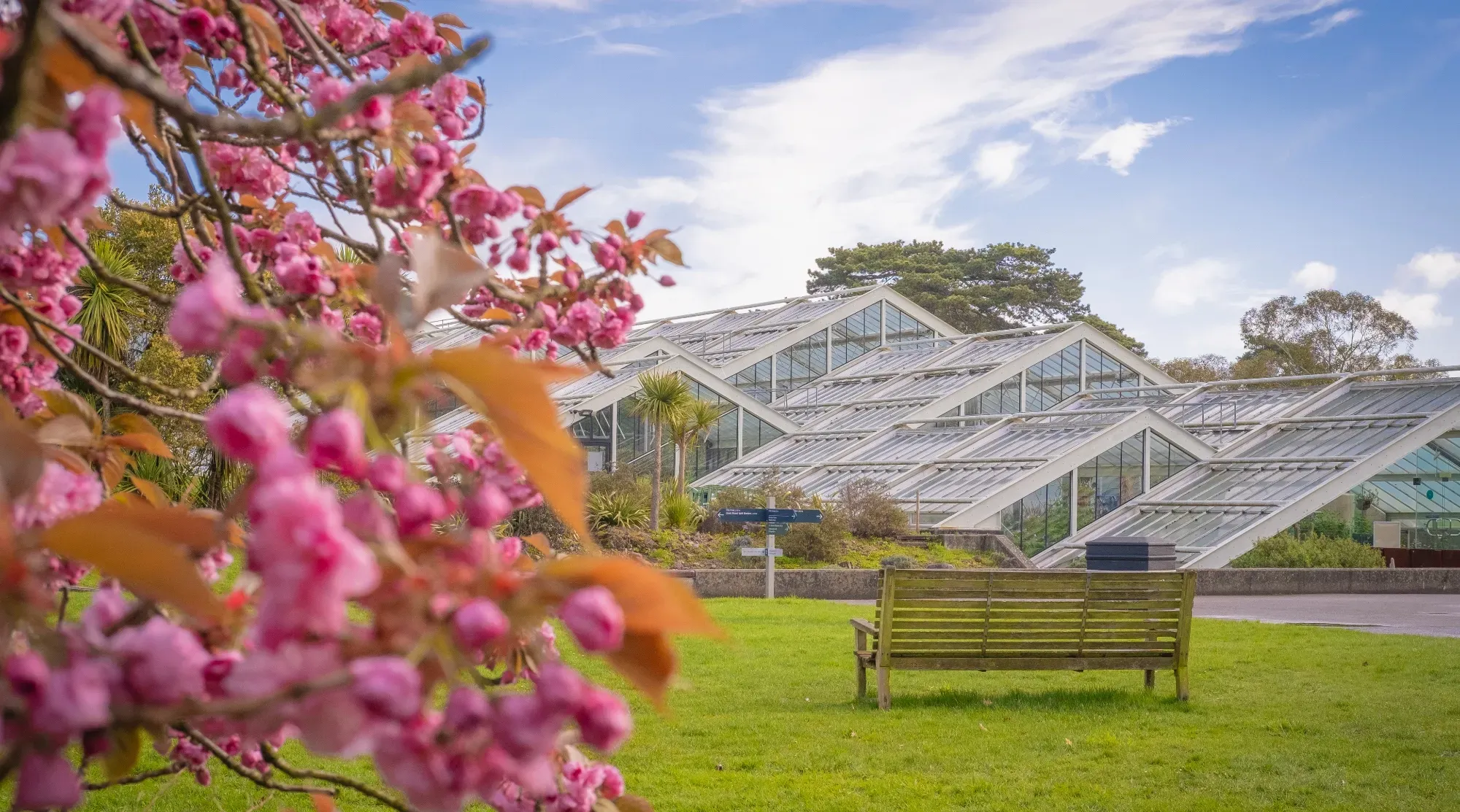
A selection of these EDGE plants will be presented in the glasshouse’s display cabinets as part of the new exhibition, including:
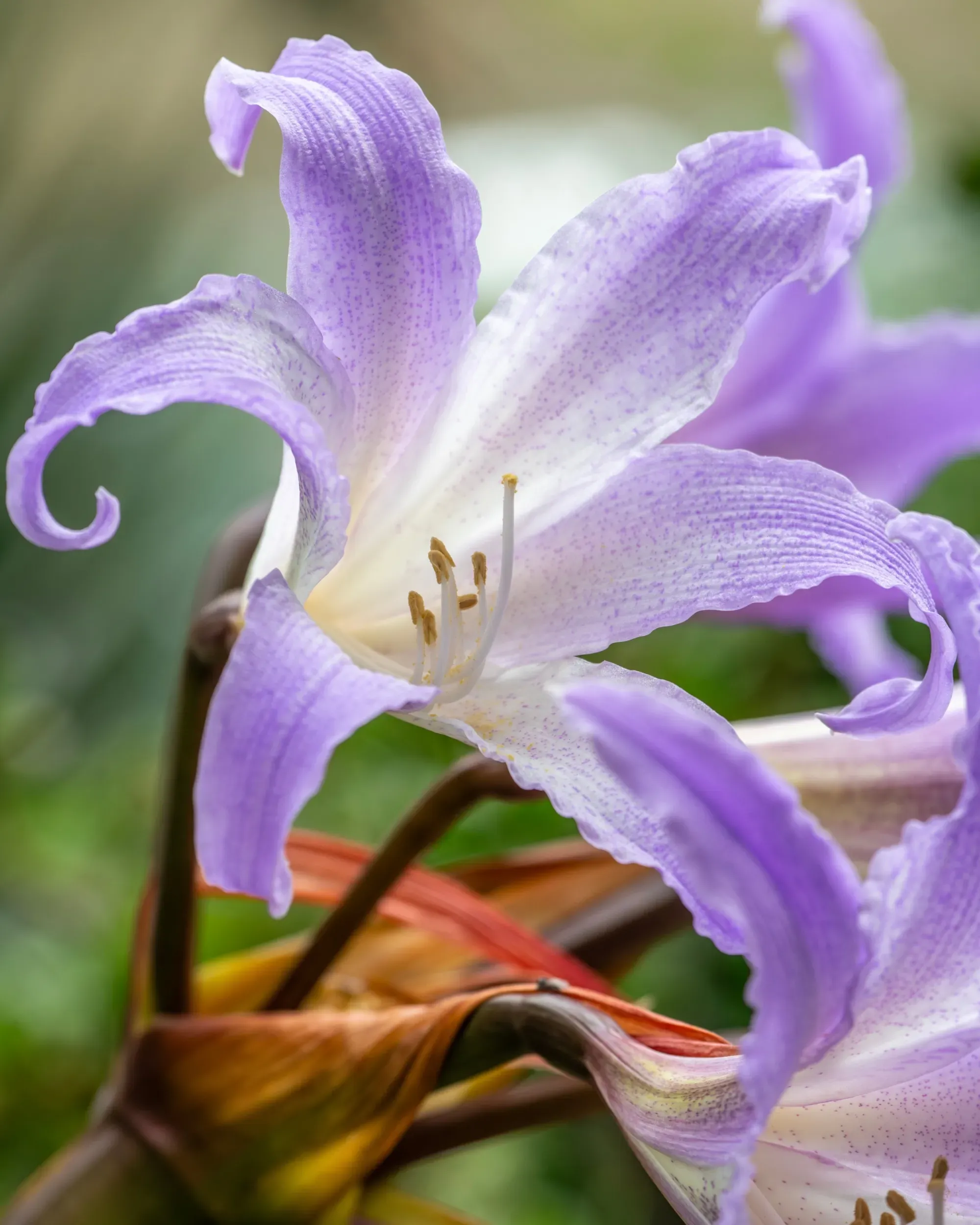
- Blue Amaryllis or ‘Empress of Brazil’ (Worsleya procera): The Critically Endangered last remaining species of its genus
- Vulcan palm (Brighamia insignis): The now extinct Hawai’ian species
- Albany pitcher plant (Cephalotus follicularis): The only remaining species of the Cephalotaceae family
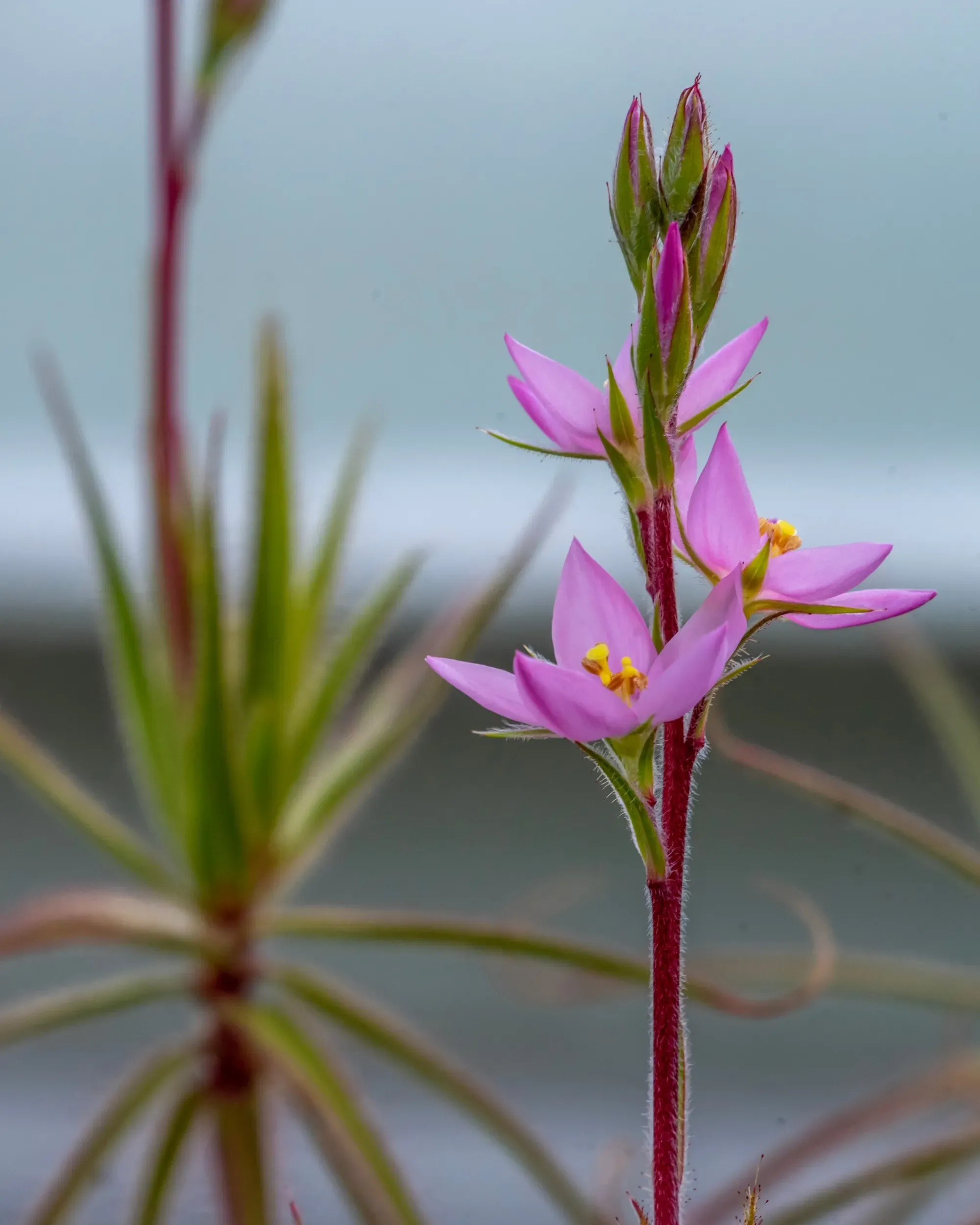
- Flycatcher bush (Roridula gorgonias): A carnivorous plant found only in a small area of Cape Fynbos
The future of EDGE
This crucial science is already being translated into real-world conservation impact through EDGE Fellowships, which trains individuals in conducting their own EDGE research. With the support of the Franklinia Foundation, 14 EDGE Fellows have been able to focus their attention on plants. The publication of this study will now offer the possibility of expanding the fellowship to angiosperm species as well.
“Flowers and forests aren’t just a pretty backdrop for pictures of bees and tigers. Each plant is an essential, living building block to life on Earth, providing us with air to breathe and food to eat. By applying the EDGE approach to flowering plants, we are better able to protect our planet’s rich, bustling ecosystems that have taken billions of years to develop.” - Dr Rikki Gumbs, researcher at ZSL’s Institute of Zoology
Want more science stories like this?
Get our latest science stories straight to your inbox by signing up to our free newsletter.
Read & watch