18 December 2025
5 min read
Can native UK seeds survive - and thrive - in a changing climate?
Why our native grassland seeds - stored, studied and supplied by our Millennium Seed Bank - are able to support restoration in a warming UK.


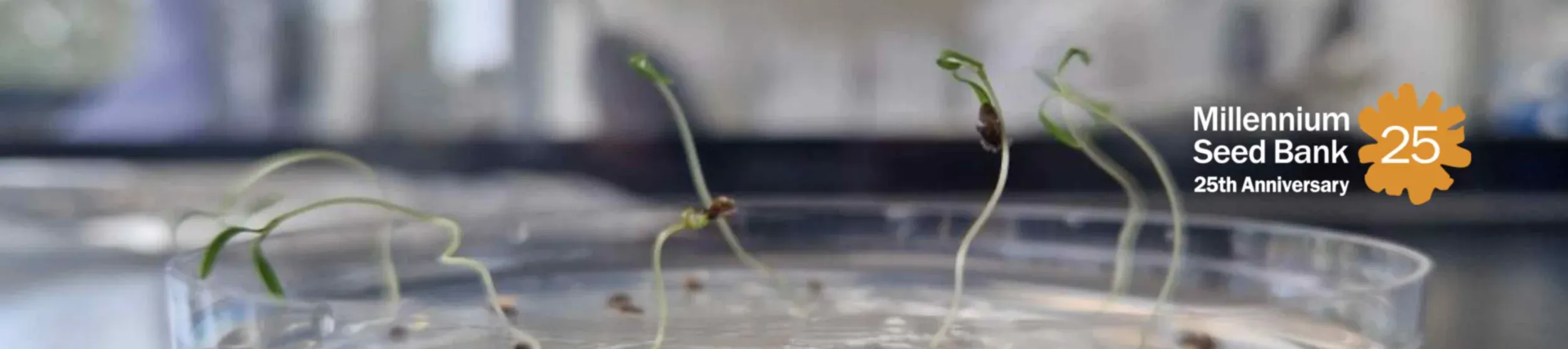
As the UK races to restore its landscapes, one decision can shape the success of it all: where do we get the seed?
And this is crucial because the right seed can mean the difference between a meadow that thrives in a warming climate and one that fails to establish.
New research from our Millennium Seed Bank (MSB) reveals that, for several key grassland species, the most resilient, climate-ready material may already be here – stored, studied, and native to the UK.
By studying native UK seeds already held in our collections, we are uncovering practical evidence that effective tools for ecological restoration might be found close to home, without relying on material brought in from elsewhere in Europe.
The results may shift the way conservationists think about seed sourcing for restoration – and reveal that the best option may be far nearer than expected.
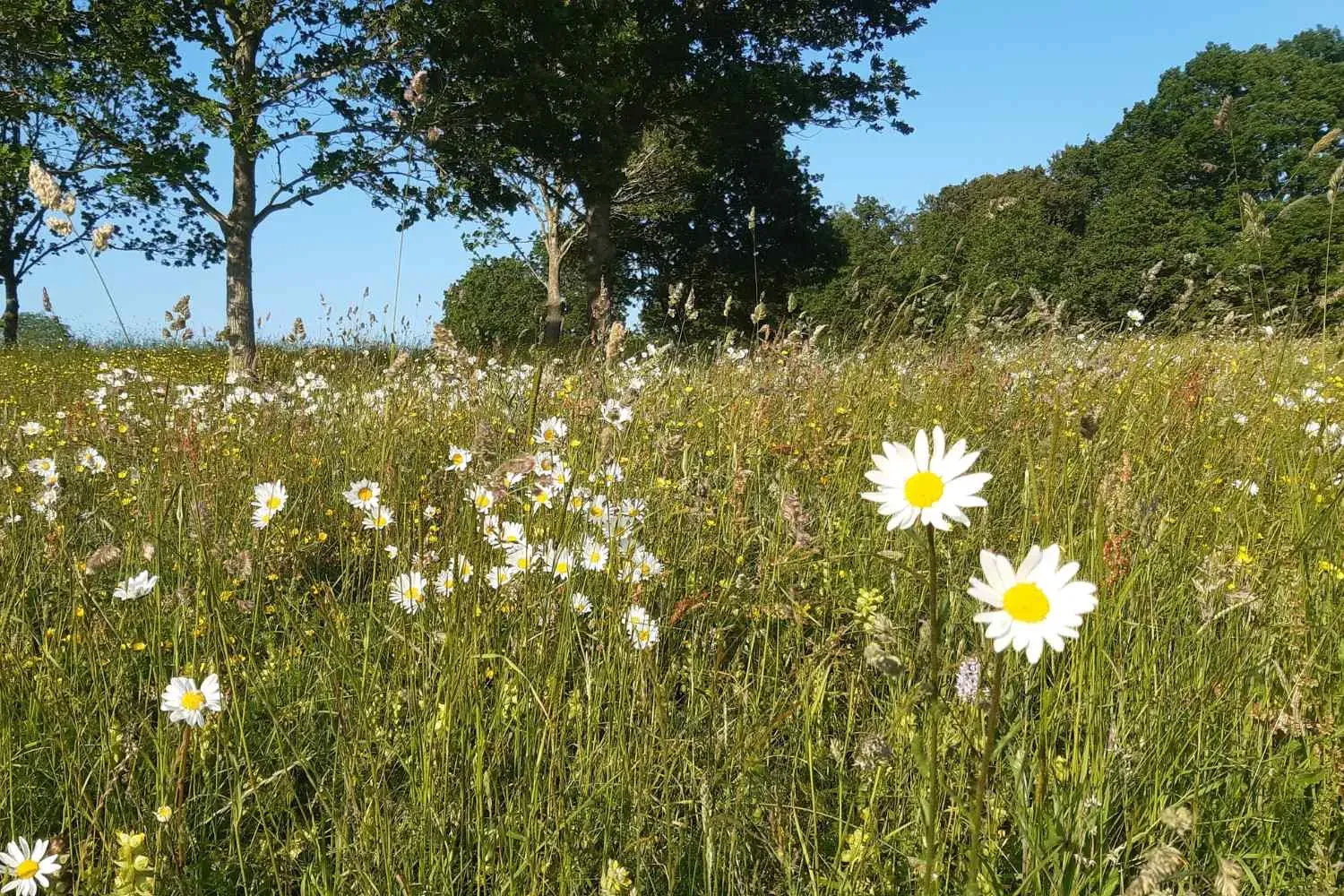
Why seed sourcing matters
For many years, there has been debate about whether restoration should rely on local collections or on seed from warmer regions in the hope of building future tolerance.
Our research shows that for some species, it is possible to identify UK populations that are both genetically suitable and already adapted to warmer conditions, provided that population level differences are carefully considered such as local climate, site conditions, associated plant communities and underlying genetic variation.
From storage to strategy: the MSB in action
Our study formed the first phase of the Native Seeds for Restoration project, coordinated by Ted Chapman and the UK team at the MSB. The project worked with land managers and ecological restoration practitioners across the country to address a persistent challenge: the limited availability of suitable native grassland seed.
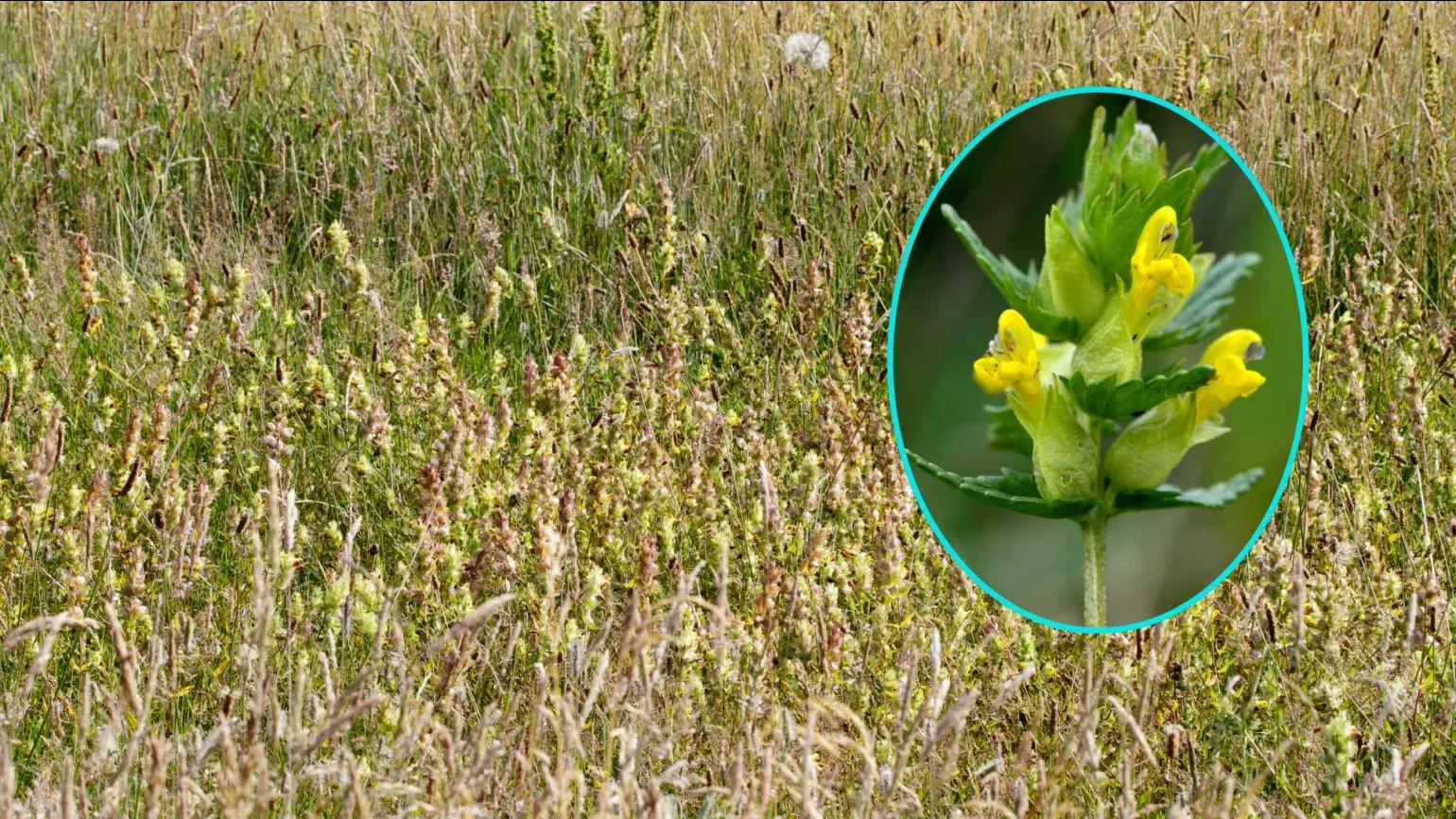
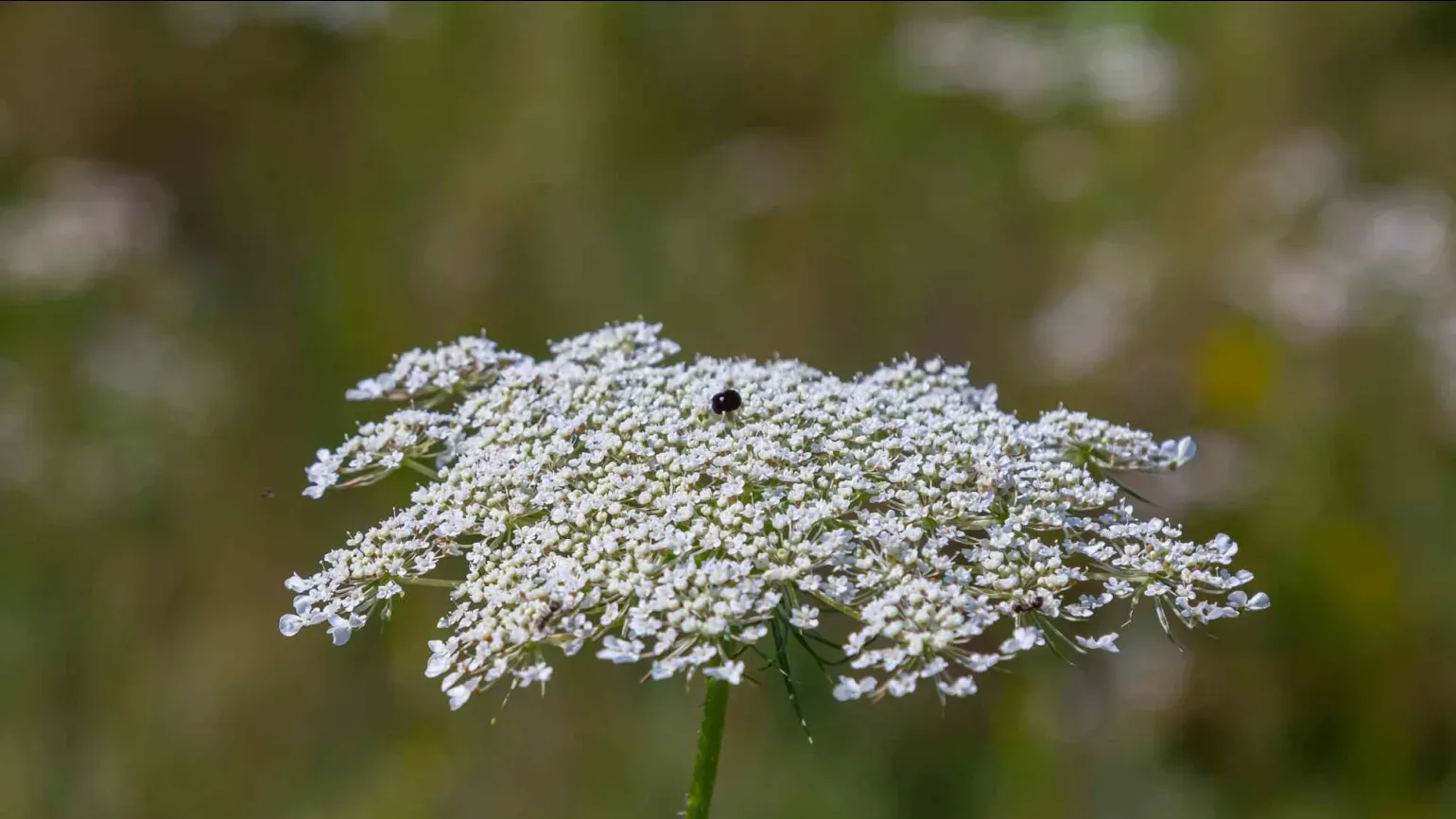
Using seed collections held at the MSB, the team focused on six common grassland species, including wild carrot (Daucus carota), yellow rattle (Rhinanthus minor) and oxeye daisy (Leucanthemum vulgare). We compared populations collected from across the UK, examining germination behaviour in relation to temperature and climate.
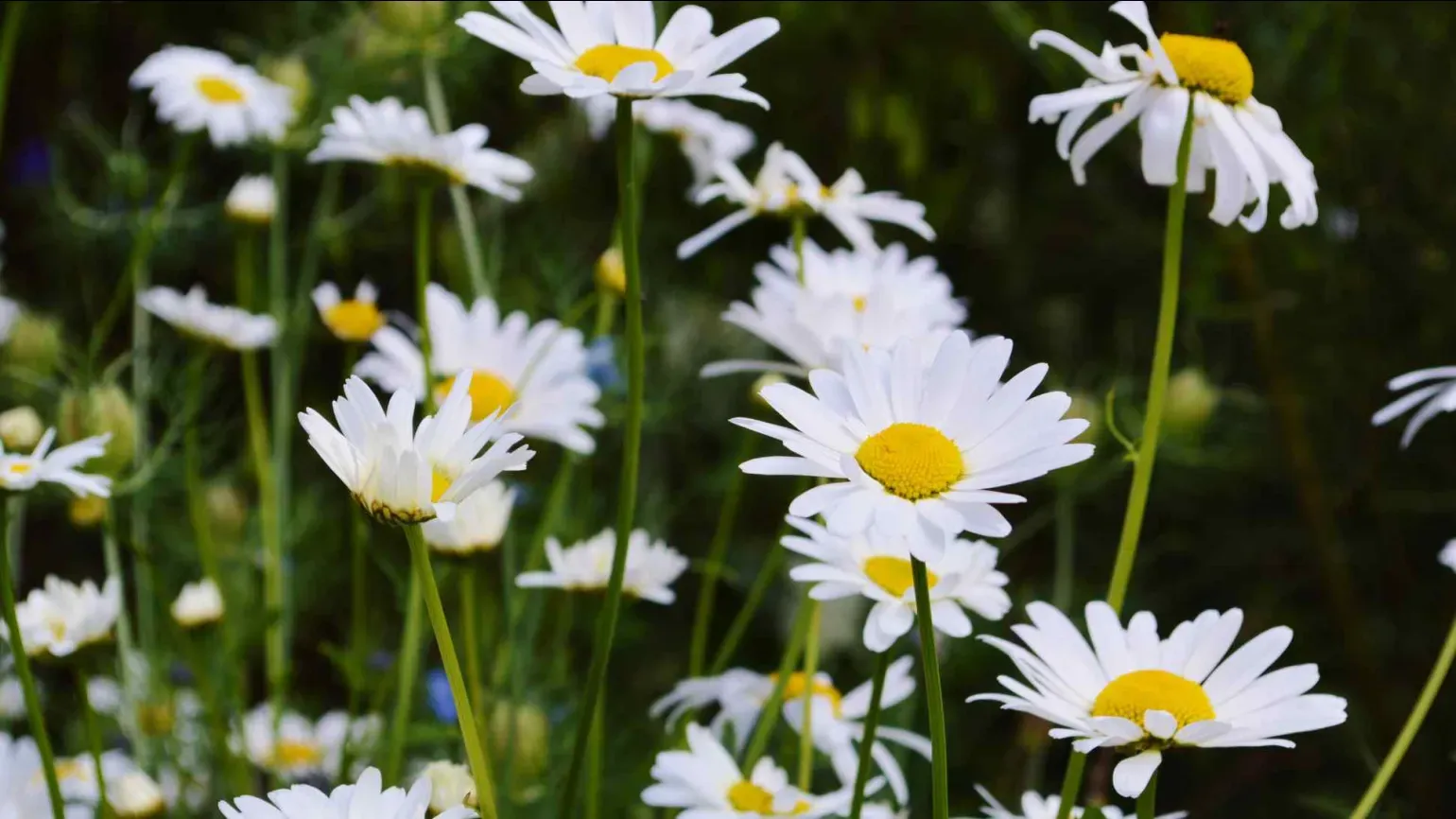
The Millennium Seed Bank is far more than a secure vault for the future. It is an active scientific resource that allows us to explore how plants respond to environmental pressures.
These collections give us the opportunity to test how different populations react to changes in temperature and to offer practical guidance to those carrying out restoration work today.
Guidance for restoration: What the science found
The research produced two open-access studies [1, 2]:
- The first examined how seeds from different UK populations germinated under both current and future temperature scenarios. Most species were able to germinate across a broad temperature range, although yellow rattle emerged as more vulnerable to warming.
- The second evaluated the genetic risks and benefits of mixing seed from different populations. For some species, mixing appeared safe and beneficial, while for others it was better to maintain distinct population groups to preserve local genetic identity separately.
“Together, these insights show that climate informed restoration can be achieved with UK seed, as long as the differences between regional populations are understood.”
There is no single rule that fits all species, but there is now evidence to help practitioners choose the most suitable seed for each project.
The jumping seeds: a glimpse into adaptation
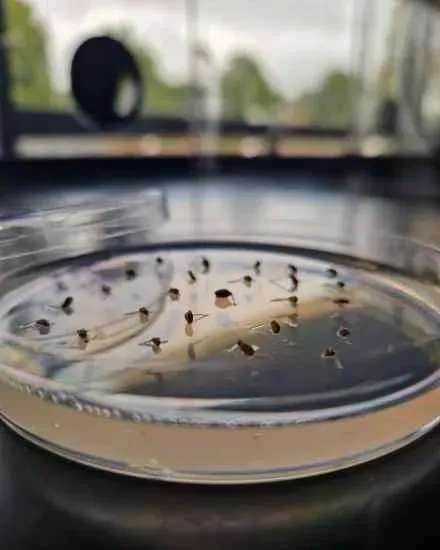
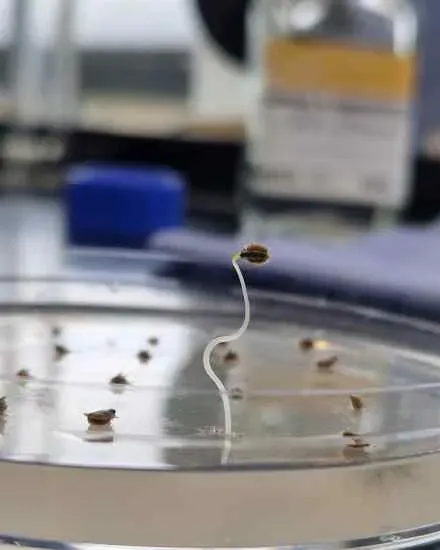
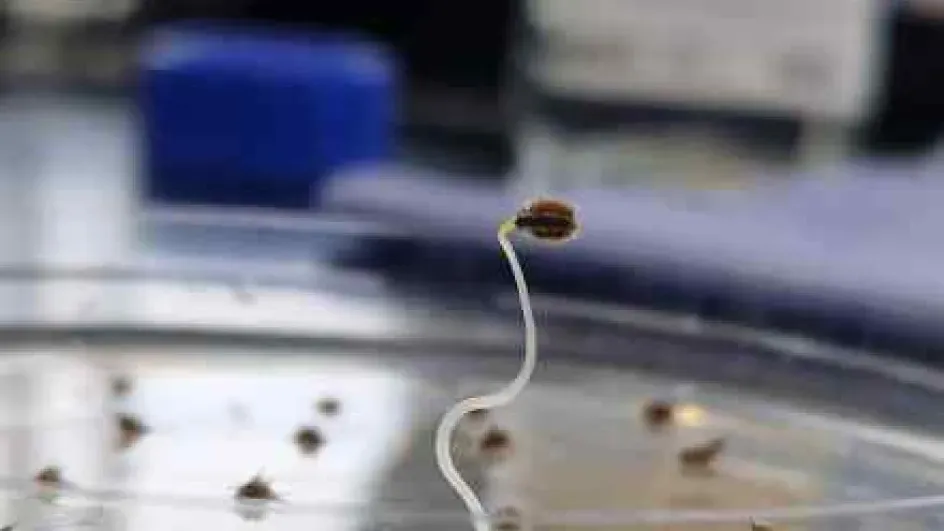
A separate pilot study offered a more visual window into how species might be responding to change. One grass species known for its spring like seed dispersal was filmed as its seeds twisted and 'leapt' in response to humidity.
The behaviour is remarkable in its own right, but it also opens a deeper question: have populations shifted their germination limits over time as the climate has warmed?
To explore this, we compared seed collected more than four decades ago with fresh seed from the same population at Wakehurst. This work aims to show whether signs of adaptation are already emerging.
Implications for practice and policy
These findings offer both reassurance and caution. Reassurance that, for some species, UK populations include enough variation for germination to continue under future climate conditions. Yet they also highlight the need to consider genetic and ecological detail rather than relying on broad assumptions.
It is important to note that these results relate to the germination stage alone. We do not yet know how these populations perform once seedlings begin to grow.
Ongoing research will follow these plants further through their life cycle to provide a complete foundation for restoration planning. If you would like future updates about this work, you can sign up to our Science Newsletter.
Join our free Kew Science Newsletter
The research also reinforces the importance of grasslands, ecosystems rich in biodiversity yet often receiving less policy attention than woodlands or peatlands.
Final thoughts
In a world shaped by shifting seasons, restoration requires more than simply planting back what once grew. It calls for informed choices grounded in science.
Our work at Kew shows that when native seed is studied with care and applied insight, it can support landscapes that are both resilient and full of life.
Further reading and next steps
- Read the open access papers that this work is based on:
- Contact the UK MSB team at msbsci@kew.org for guidance or information on seed partnerships.
Acknowledgements
- This work is part of the MSB Partnership and has been supported by Postcode Lottery players, John Ellerman Foundation, and Esmée Fairbairn Foundation.
- We thank all partner institutions that contributed seed collections and the MSB seed collection team who curated them.
Paper: Thermal risk and germination
As the UK climate warms, discover how seeds already stored in the Millennium Seed Bank can support climate-smart ecological restoration, revealing which native species are resilient and which may struggle to germinate in future conditions.
Paper: Genetic framework for conservation
As the UK works to restore nature, explore a new framework that uses plant life-history traits to guide conservation and restoration decisions, helping practitioners protect genetic diversity even when detailed genetic data are unavailable.

Millennium Seed Bank
As we celebrate 25 years of seed banking, learn how we use our collections to combat biodiversity loss and climate change through scientific research while restoring habitats with our global partners.
Sign up to the Kew Science monthly newsletter
Stay up-to-date with Kew’s plant and fungal research news, science events and scientific opportunities.