Nature Unlocked
Kew’s pioneering research programme that seeks to develop science-led solutions to climate change, nature recovery, and biodiversity loss.
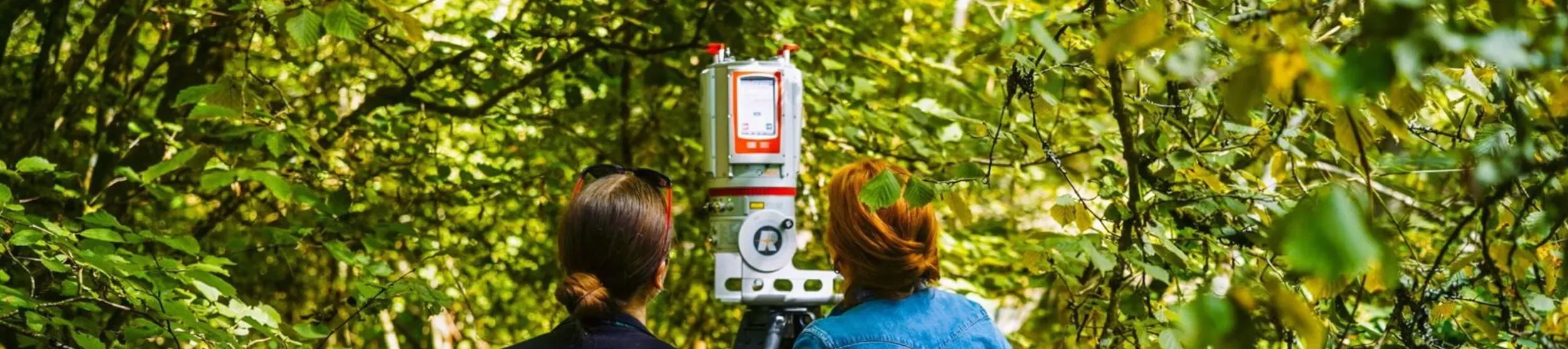
Nature Unlocked uses UK landscapes as living laboratories, as scientists gather data from soil to sky, to generate crucial scientific data.
The range of studies aim to understand how nature can help solve environmental and social issues, from biodiversity loss to mental health crises.
With this strong scientific data, our scientists can inform and influence the land management policies and practices created by key decision makers. In turn, this offers government bodies, businesses, communities and landowners effective nature-based solutions to environmental and social challenges.
Now, scientists are scaling up the studies and creating a network of national living laboratories that protect biodiversity and strengthen the natural systems we all depend on.
The Wakehurst Ecosystem Observatory
Spearheading the next chapter of Nature Unlocked is the Wakehurst Ecosystem Observatory (WEO), a network of research plots across eight habitats, including woodlands, meadows, formal gardens and a new experimental forest.
Through WEO, the landscape is made available for partners, universities and school groups to conduct their own ecological research. The team have developed 23 x 0.25-hectare plots are all equipped with continuous monitoring equipment, including bioacoustics monitors and soil moisture probes - creating a unique time series of daily data collected on biodiversity, climate resilience and vegetation structure.
WEO plots are also becoming a scientific playground for the next generation of ecologists, as visiting A Level students will experience conservation in action as they use a variety of fieldwork techniques, collecting data on the levels of biodiversity that will contribute directly to Nature Unlocked’s wider datasets.
Wakehurst has developed research partnerships with Weald to Waves, Environment Bank and the National Trust to expand the scale of research in 2026, with standardised monitoring plots being set up across Sussex, to use collaborative methods and ensure evidence is relevant to land managers over the long term.
Through Nature Unlocked, we're uncovering answers to the following questions:
Accordion
Content
In a brand-new collaborative study in partnership with Forest Research and funded by Defra through the Centre for Forest Protection, we’re investigating the wind resilience of broadleaf woodlands. For a year and a half, our woodlands will host two masts equipped with sonic anemometers and around 50 strain gauges mounted on individual trees, measuring wind speed to estimate vulnerability to wind damage.
To supplement this, scientists are co-designing two workshops and a trail with the Forest Research team, aimed at exploring a multi-generational understanding of climate change and wind risk, and how this may impact treescapes in the future. The team will be exploring people's relationships with and connection to trees, reflecting on memories of the 1987 Great Storm and looking at how increasing storms may translate to eco-anxiety in children.
Sessions will include interviews and sensory walks, as well as opportunities to notice and record the wind in the trees, and meet the scientists involved. We hope to create learning resources and a wind in the trees soundscape as a lasting legacy from the project.
Content
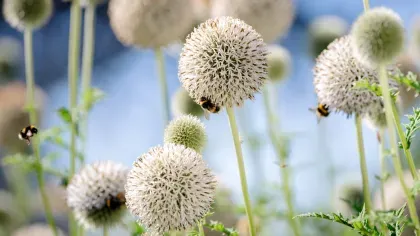
Bees are a critical resource for ensuring food security and sustaining biodiversity, yet globally there is a large-scale decline in wild pollinators. Our scientists are investigating the answers to pollinator-friendly planting which can be translated into urban areas.
As a wild botanic garden, our landscape offers a variety of non-native tree species. Our research has shown that these species are important for UK pollinators as they flower later than native meadows, extending the nectar resources beyond a typical season. Trees also have a smaller footprint, making them ideal ‘aerial meadows’ for urban areas.
Using innovative methods in bee nesting site creation and other non-destructive monitoring, scientists have been establishing a baseline of our pollinator population. For the past few years, they’ve been monitoring bees that have been visiting our experimental bee bank, bee hotels and natural habitats, taking pollen samples to analyse where the bees have been foraging.
To gather even more data, visitors can become citizen scientists and use their observations in the landscape for our research. We’ve curated a Trees for bees walk across the gardens, so pick up a guide on your next visit and take part.
In a brand new project, we're pairing traditional science with new technology, as 28 cameras will be placed in trees across site, capturing the night-time activity of bees and moths. An innovative AI algorithm will count the nocturnal and diurnal visitors and measure the resulting seed sets on trees to assess pollination services of the different insect groups.
Content
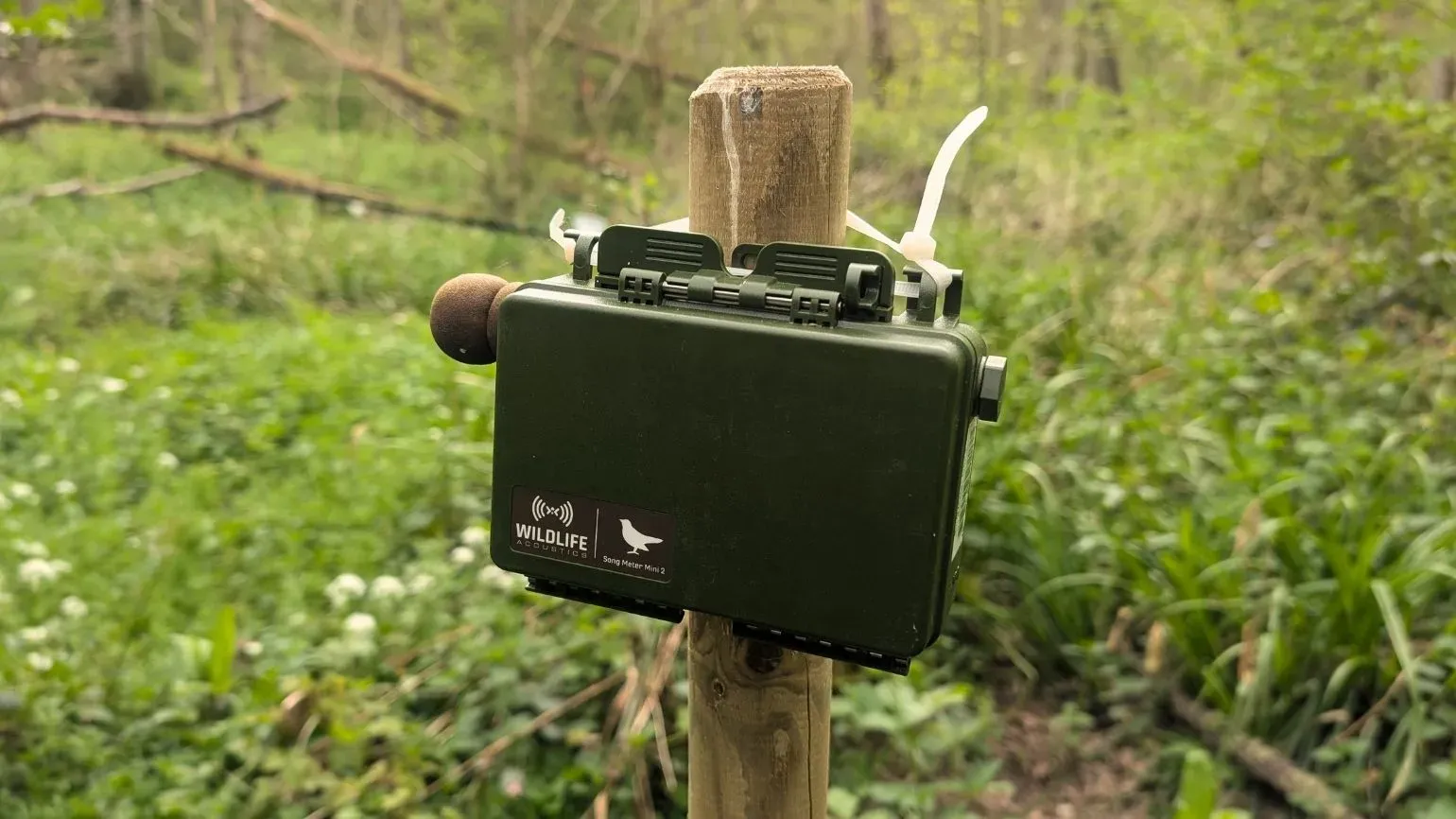
Wildlife bioacoustics monitors have been placed across the landscape to understand the behaviour of certain species in response to changing weather conditions and climate change. A winter pilot processed over 30,000 minutes of recordings, with 99 unique species recorded in habitats such as wet and broadleaf woodlands and meadows.
Using an AI classifier to identify species, the project revealed the Marsh Tit, Red-listed in the UK, was detected over 2,000 times, with the majority concentrated in the wet woodland. While a species may forage across the wider landscape, this kind of data lets scientists identify which habitats are most critical to its survival.
321 detections of the rare Northern Goshawk were recorded primarily in conifer woodland, which is increasingly threatened by tree diseases in southern England.
When overlaid with data on rainfall, early findings revealed the first detections for dawn chorus species shifted approximately half an hour later on rainier mornings. This suggests that rainfall influences when and whether species are active across the landscape.
The next phase of this project will expand the monitoring network across Sussex, to track whether bird species shift their activity to cooler woodlands during heatwaves, and whether a tapestry of habitats provides sanctuary for wildlife in extreme weather conditions.
Content
We know that trees absorb carbon, but we’re exploring how a combination of different plants and fungi could help store even more, mitigating the impact of climate change.
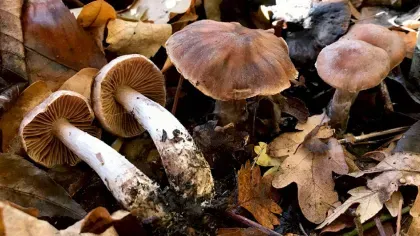
Our research has been divided into above and below-ground studies. In the soil, we’re digging for answers to understand the role that mycorrhizal fungi play in carbon storage. We’re using a range of techniques to look at the DNA within soil samples, to measure not only the carbon, but also other factors that can affect fungi and their contribution to the ecosystem.
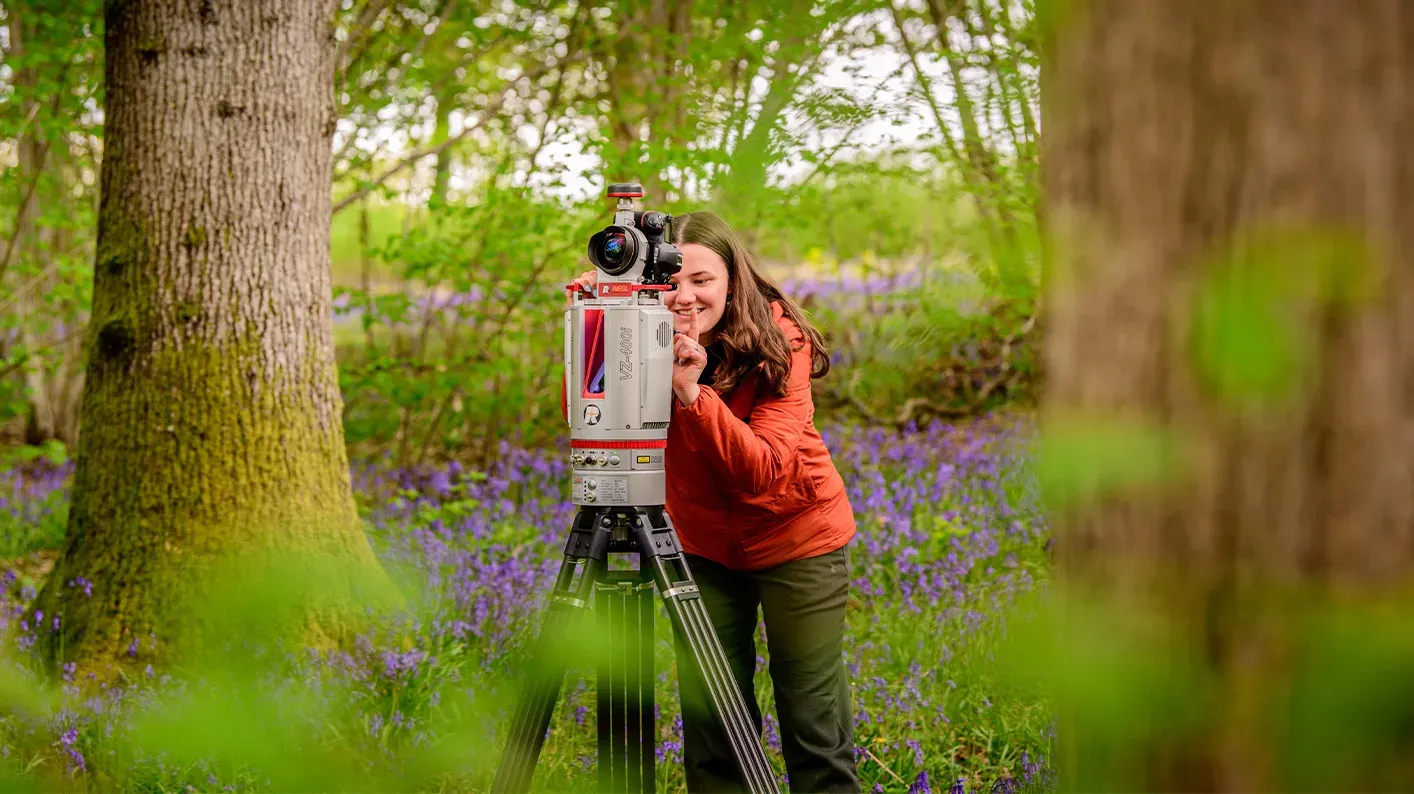
Above ground, we're surveying the entire Wakehurst site using drones to collect high-resolution imagery. Combined with LiDAR scanning on the ground, data will be used to construct digital models of the terrain and trees to assess the amount of carbon stored within.
By comparing data across different habitats, our scientists will assess which ecosystems offer the most benefits in terms of carbon storage, and also protect biodiversity across the UK.
Content
It's proven that being in nature is good for us, but now we’re collecting scientific data on what it is about being in the natural world that improves our wellbeing. The more connected to nature we are, the more likely we are to act to protect it.
The Nature Connectedness research adds the ‘people layer’, to Nature Unlocked, investigating how connecting to nature in biodiverse landscapes supports both our mental and physical wellbeing. Research with both schoolchildren and adults has revealed how different habitats and sensory experiences shape our emotional responses to the natural world.
The first phase included a study with over 1,000 school children, who were taken on nature walks in one of three different habitats: meadows, wetlands and woodland, followed by post-visit surveys and guided drawings. Early results indicated that Coronation Meadow, representing meadow habitats, inspired the highest connection with nature. That means that those who spent time in meadows showed fewer symptoms associated with anxiety.
For the next phase, we'll be turning to members to take part in Nature Connection walks every month. Participants will be invited to complete surveys to track changes in their nature connectedness and pro-nature conservation attitudes and behaviours over the course of the year and to explore which activities, landscapes, views, colours and senses best facilitate a deeper connection with the natural world.
Content
We are all dependent on water, but we are increasingly seeing the damaging impact of flooding and drought on our communities and ecosystems.
Our diverse waterscape features wet woodlands, a lake, a reservoir, brooks and wetlands, and these habitats allow researchers to explore how biodiversity influences water movement through a landscape, including in flood and drought scenarios.
Over the past four years, gas flux monitors were placed across the landscape, measuring how much carbon dioxide and other greenhouse gases are released from the soil. Data from these studies revealed that wet woodlands are great carbon sinks
Nature Unlocked helps to eliminate the guesswork in landscape planning, providing a balance between encouraging biodiversity and mitigating the impact of climate change.
As our research projects develop, we’ll be calling on visitors more for exciting citizen science studies.
Want to be a part of something pioneering? Sign up for our free newsletter to ensure you’re up-to-date with all the latest science news, events and research.
With thanks to our funders:
- L&G
- Mount Anvil & partners
- Peabody
- Postcode Lottery players
- Sky
Additionally, we're building relationships with institutions such as Royal Holloway University London, Imperial College London and the UK Centre for Ecology and Hydrology (CEH).
Publications
Nature Unlocked Impact Report 2024-25
Nature Unlocked 2024 Impact Report (PDF)
Nature Unlocked Wakehurst Ecosystem Observatory Poster (PDF)
A partnership between RBG Kew & Sky produced this in-depth guide for achieving economic and environmental goals through investing in Nature: 10 Guiding Principles for Investing in Nature
Regeneration from seeds in a temperate native flora: A climate-smart and natural–capital-driven germination risk modelling approach
Mattana E, Chapman T, Miles S, Ulian T, Carta A. (2023)
Plants, People, Planet 2023: 1-15
Nutrients, Carbon, Mycorrhizas and Tipping Points in Forests.
Suz, L.M., Bode, J., Byrne, A., van der Linde, S. & Bidartondo, M. (2022)
Royal Forestry Society 116: 36 - 43.
Read & watch
.jpg00a9.webp?itok=-8pUQXMl "Coronation Meadow at Wakehurst")