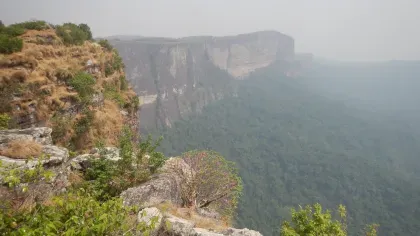
Tropical Important Plant Areas (TIPAs) in Guinea-Conakry
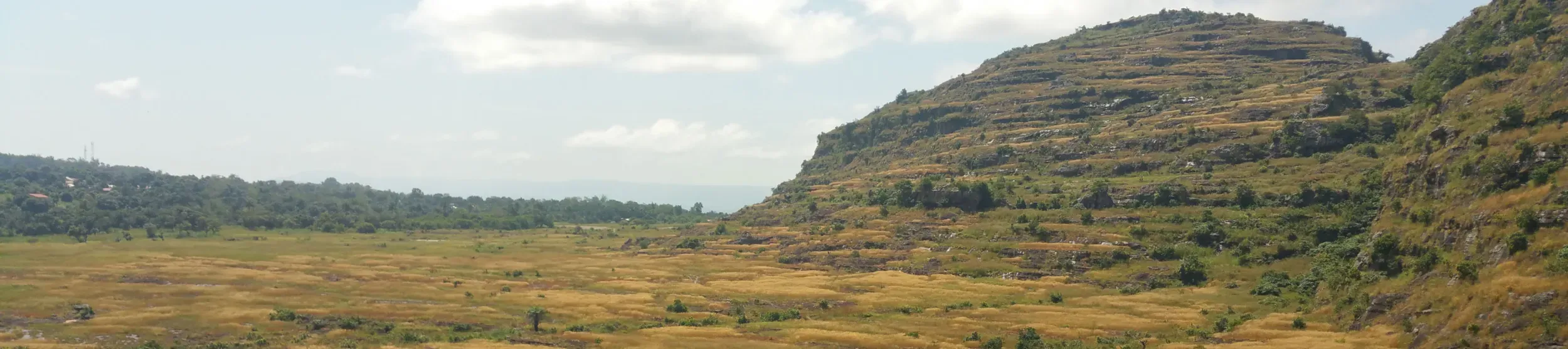
Since 2016, Kew and local in-country partners have been working to identify areas of high plant diversity in Guinea. We are now protecting it in collaboration with local communities.
Project lead
Department
Location
Guinea-Conakry's income depends on increasing open-cast mining by multinational companies, the largest being listed in London with investments by British taxpayers through pension funds. These initiatives and new infrastructure projects, along with population increases driving habitat clearance for fuel and agriculture, has and will result in major losses of natural habitat. Guinea has numerous highly range-restricted plant species and rare vegetation types which are consequently at risk of unwitting extinction.
Guinea’s capacity to do this botanical work has been severely hampered by a lack of scientific expertise and infrastructure. The 2014 fifth national progress report on Guinea’s Convention on Biological Diversity (CBD) commitments emphasises the need for greater capacity in the identification of Guinea’s biodiversity, and more accessible data on its threatened species and key sites for protection, as well as the need to disseminate these findings effectively to encourage community-level engagement in biodiversity protection. While considerable progress has been made regarding Guinea’s charismatic fauna, access to data and expertise on plants remains limited.
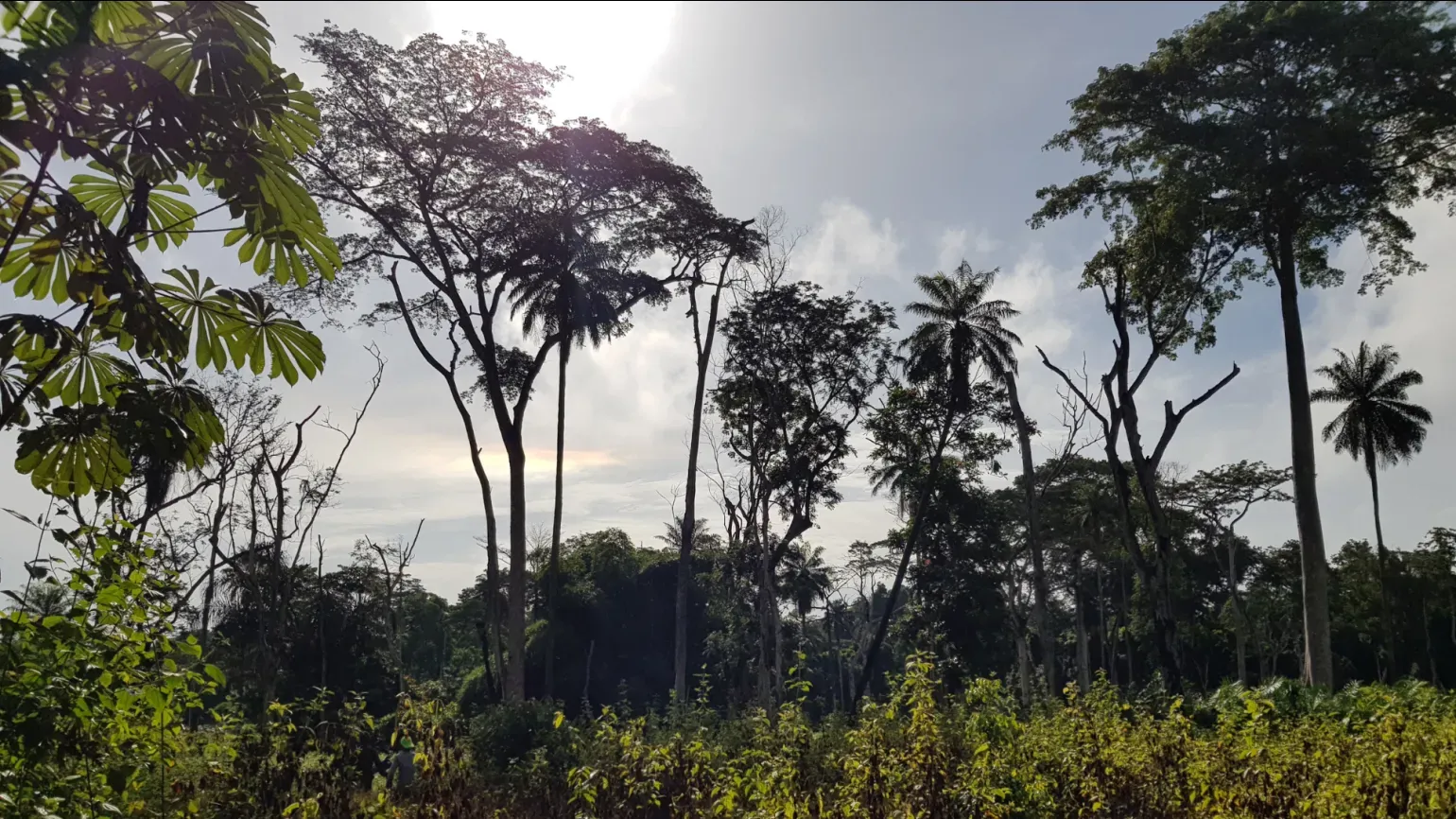
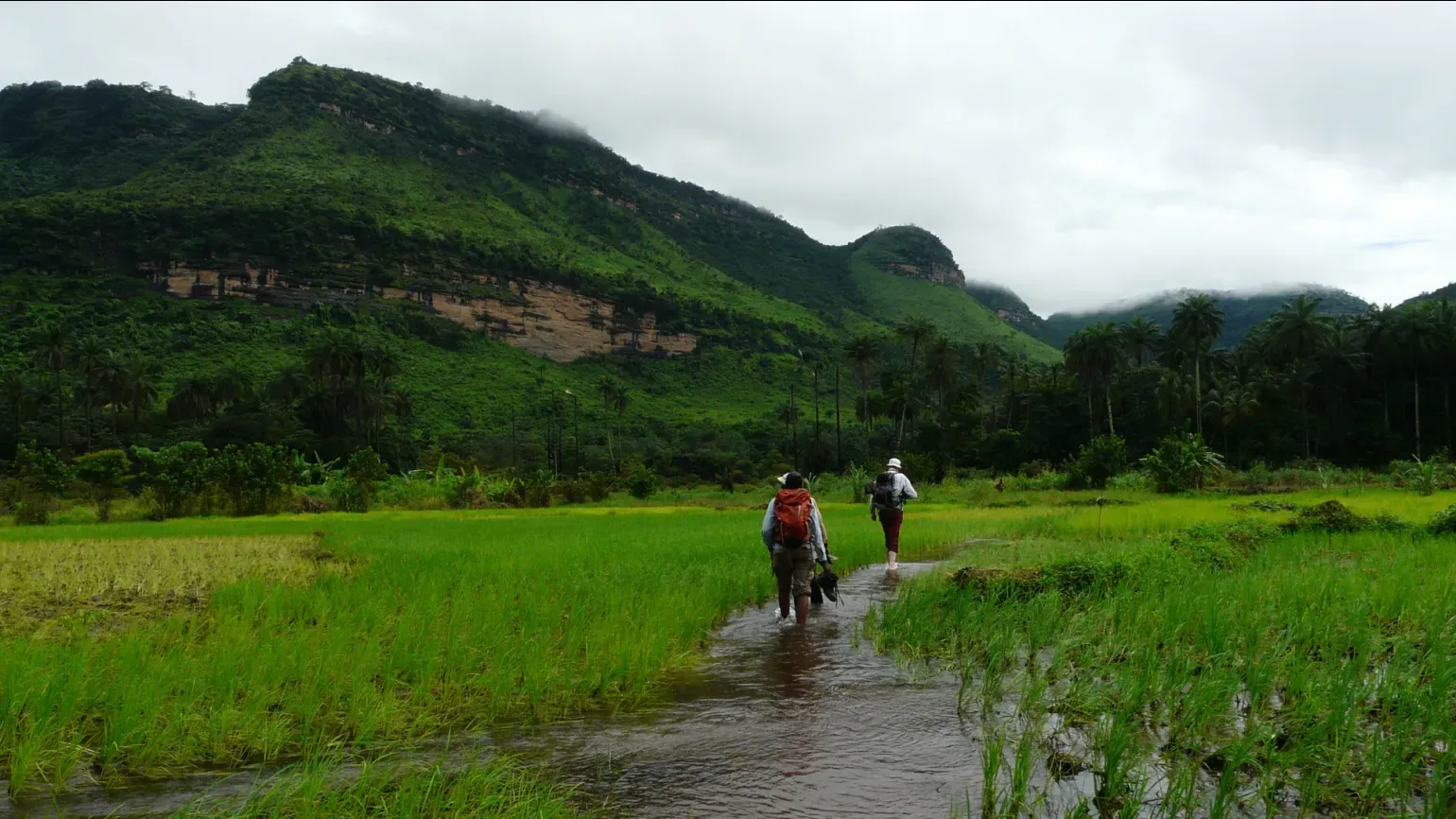
Previously, the protected area network focused on maintaining timber resources for exploitation (Classified Forests), protecting large animals (National Parks) or wetlands (Ramsar sites); most of the plant species of highest global priority for conservation had little or no protection. Following the identification of 22 TIPAs and nine threatened habitats in 2019, the government of Guinea agreed to put them into the new protected areas legislation. Key to protection of all areas is community participation. Guinea has a high rural population who rely on these areas for food & water, materials, medicines, and increasingly climate change will influence provision.
Kew and partners have been raising capacity in Guinea through training courses, teaching on MSc courses and supervising student projects over 10 years. However, the need for botanists in Guinea is rising with increased development, more awareness and championing of Guinea’s threatened plants is needed. Our current projects focus on data mobilisation, community participation, capacity building (at all levels), and environmental education to protect threatened plants and TIPAs and to influence policy around plants and habitat protection in Guinea.
Cheek, M., Magassouba, S., Howes, M.J.R., Doré, T., Doumbouya, S., Molmou, D., Grall, A., Couch, C., Larridon, I. (2018).
Kindia (Pavetteae, Rubiaceae), a new cliff-dwelling genus with chemically profiled colleter exudate from Mt Gangan, Republic of Guinea.
PeerJ 6: e4666.
Couch, C., Magassouba, S., Rokni, S., Williams, E., Canteiro, C. & Cheek, M. (2019).
Threatened plants species of Guinea-Conakry: A preliminary checklist.
PeerJ Preprints 7: e3451v4
Couch, C., Cheek, M., Haba, P., Molmou, D., Williams, J., Magassouba, S., Doumbouya & Diallo, M.Y. (2019).
Threatened Habitats and Tropical Important Plant Areas of Guinea, West Africa.
ISBN: 9781527240650.
International
- Guinee-Ecologie, Conakry, Guinea
- Herbier National De Guinée (UGAN-HNG), Université Gamel Abdel Nasser, Conakry, Guinea
- Centre d’Observation de Surveillance et D’Informations Environnementales (COSIE), Ministère de l’Environnement des Eaux et Forêts (MEEF), Guinea
- Plantlife International
- AGEDD
Supported by
-
Fondation Franklinia, Darwin Inititative, JRS Biodiversity Foundation, CEPF (Critical Ecosystem Partnership Fund), Rio Tinto Guinea
Read more
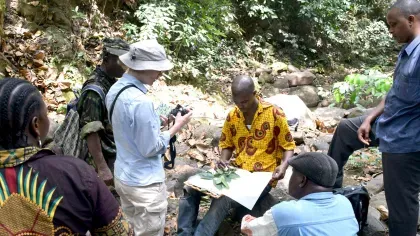
Training the trainers in Guinea
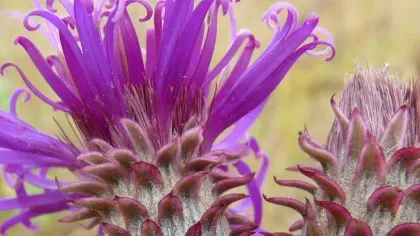
Guinea: The Campaign for a National Flower