13 November 2025
6 min read
CITES COP20: Protecting plants through sustainable trade
What is CITES COP20, why does it matters, and how is Kew helping to shape global decisions?



Plants are at the heart of global trade. From food to timber, ornamental use, medicines, cosmetics and beyond. Yet, their incredible wide range of applications is also one of their greatest downfalls as it puts many of these species at risk of overharvesting and unsustainable use.
This is a global challenge, and so the solution can only come from international cooperation. This is where CITES comes in.
‘CITES’, which stands for The Convention on International Trade in Endangered Species of Wild Fauna and Flora, is a global biodiversity agreement that regulates and monitors the international trade in wildlife. It helps ensure people can still benefit from trading these species, while also safeguarding them from over-exploitation.
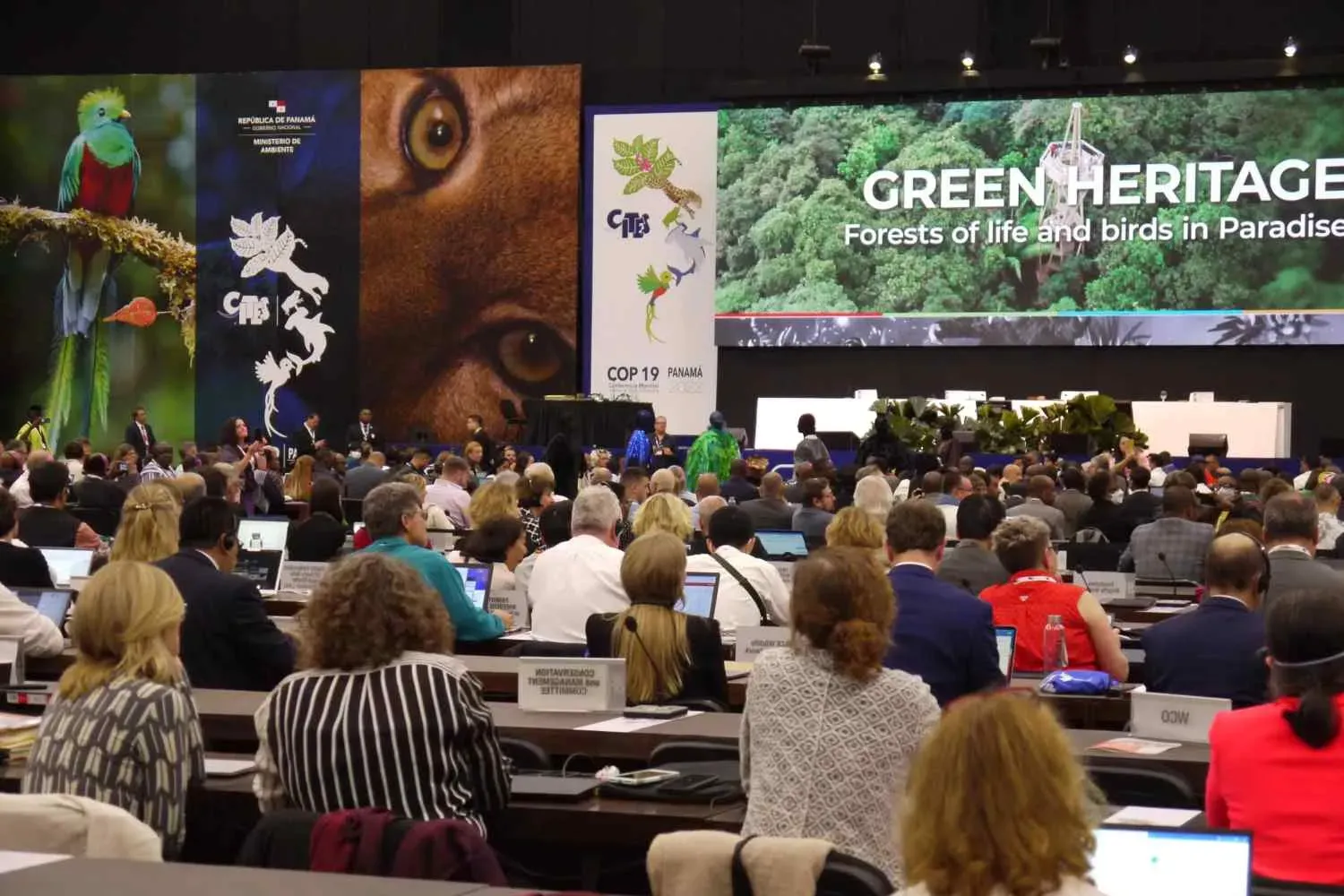
Now, people from around the world who make up the Conference of the Parties to CITES are meeting for the twentieth time (CITES COP20) to discuss and decide how best to prevent the overexploitation of wildlife that’s due to international trade. And this year is a big one with 2025 marking 50 years of CITES entering into force.
But what will actually be covered at CITES COP20, why does it matter and why is Kew attending? Here, our policy team give you an insight into all this and more.
CITES: a closer look
As mentioned, CITES is celebrating its 50th year which means that for the past five decades, it has worked to balance global trade and conservation, supporting the sustainable use of wildlife while ensuring species are not driven towards extinction.
More than 40,900 species are currently protected under CITES, with over 80% of these being plants.
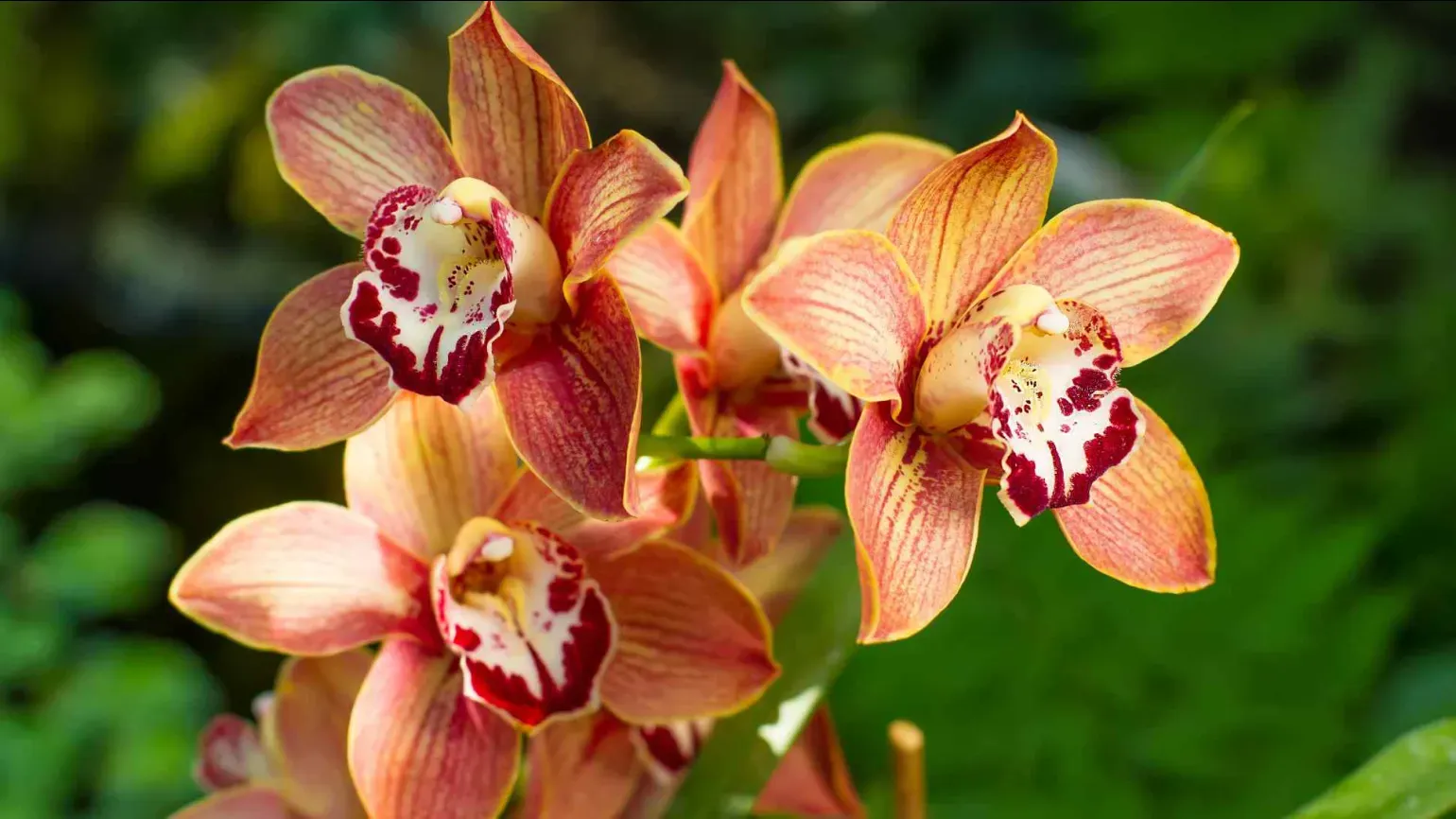
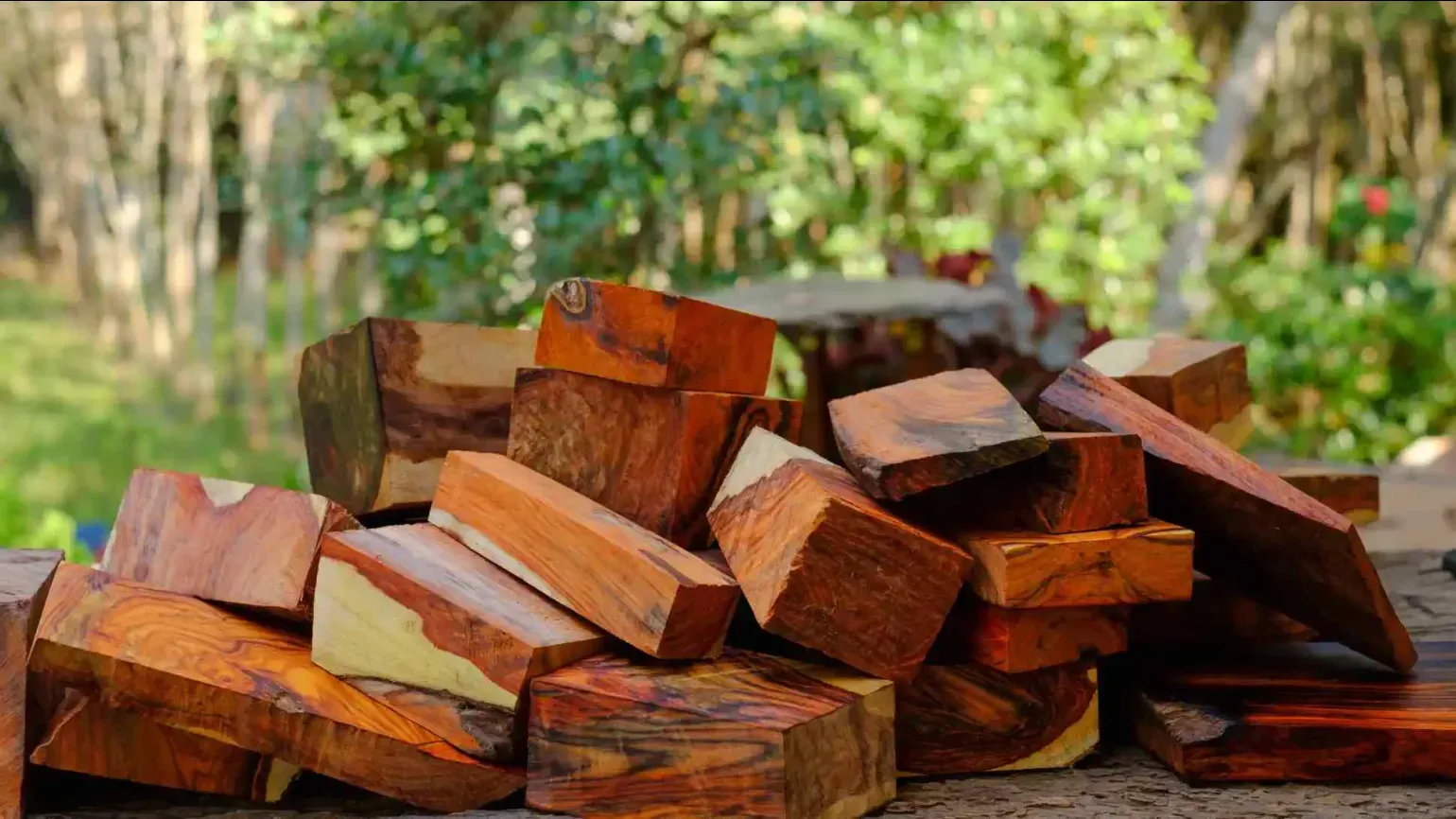
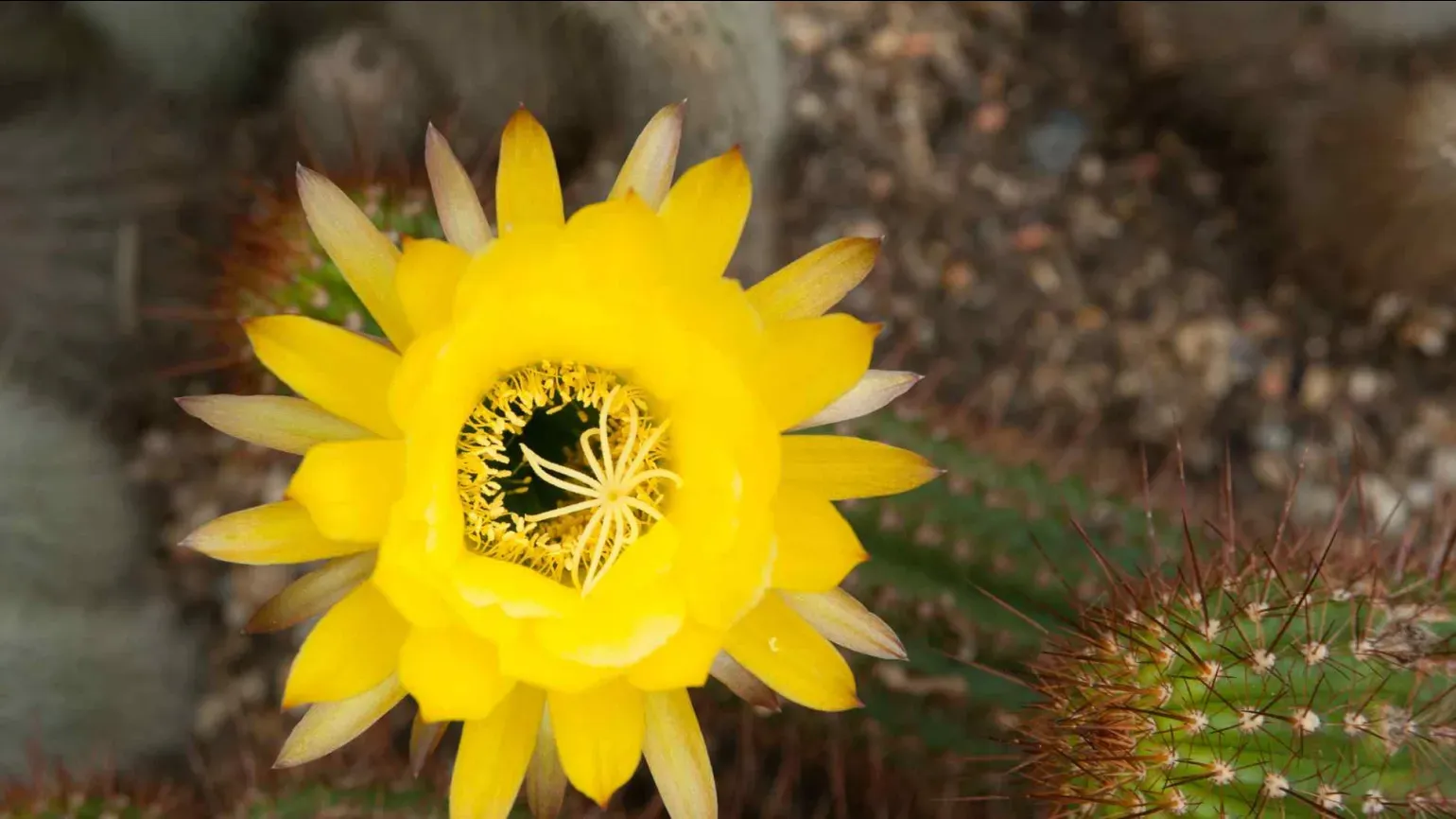
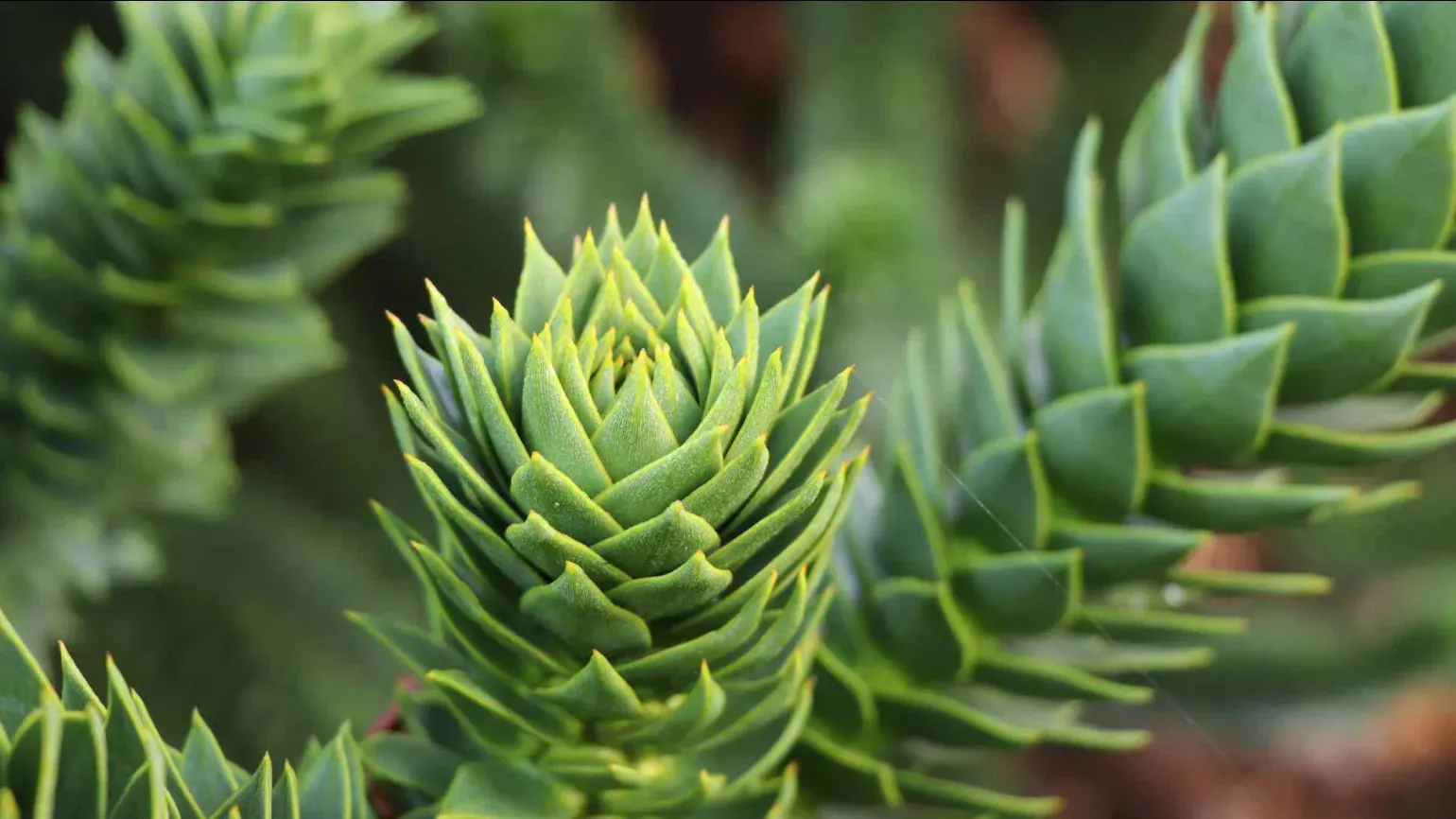
Each species is listed in one of three Appendices:
- Appendix I - Species most at risk of extinction
- Appendix II - Species that could become threatened if trade is not regulated.
- Appendix III - Species protected within a specific country that has asked for international help to control trade.
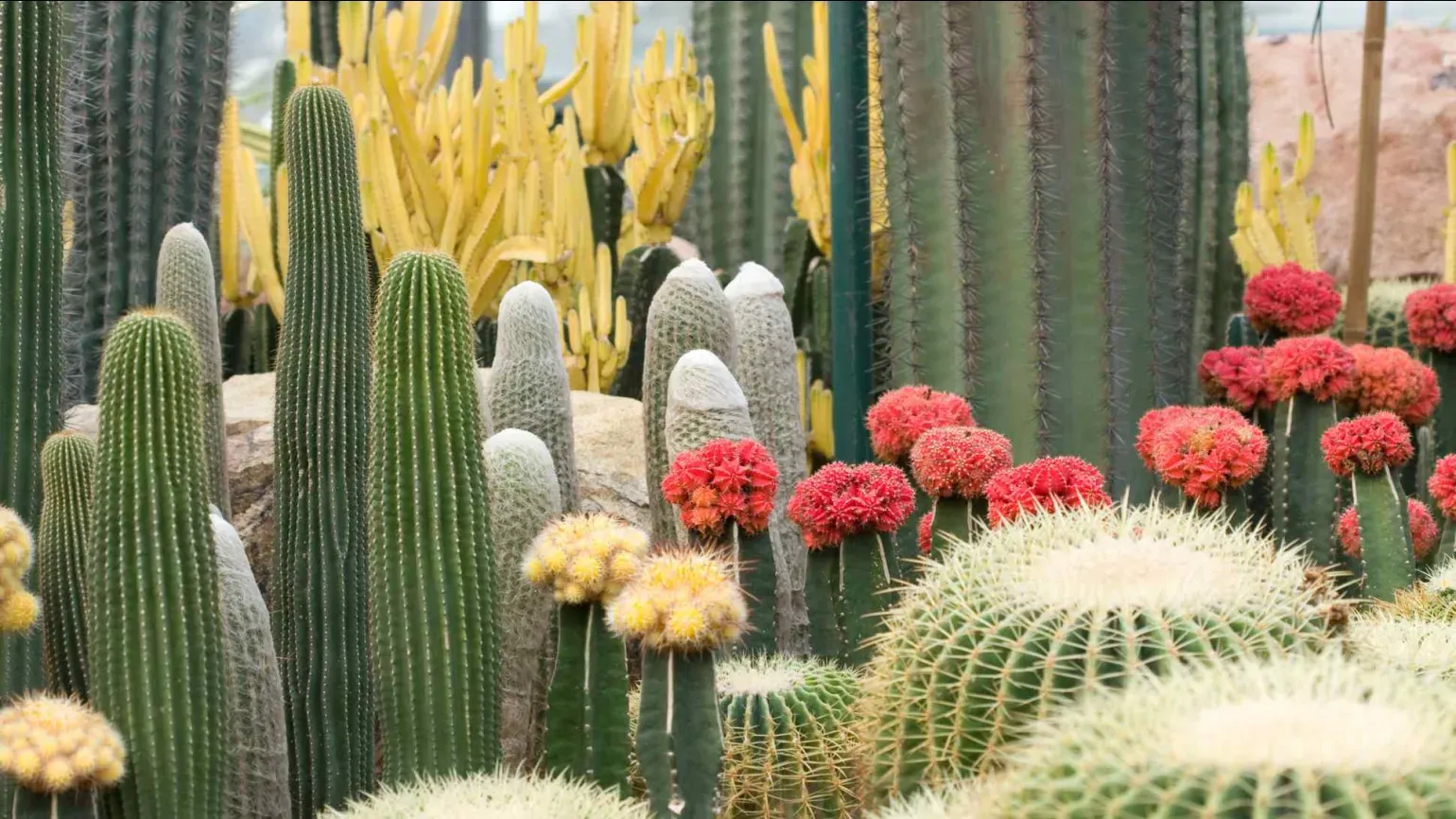
Examples of regulated plants range from cacti and orchids, prized by hobbyist collectors, to tropical tree species used for furniture and musical instruments.
What is CITES COP20?
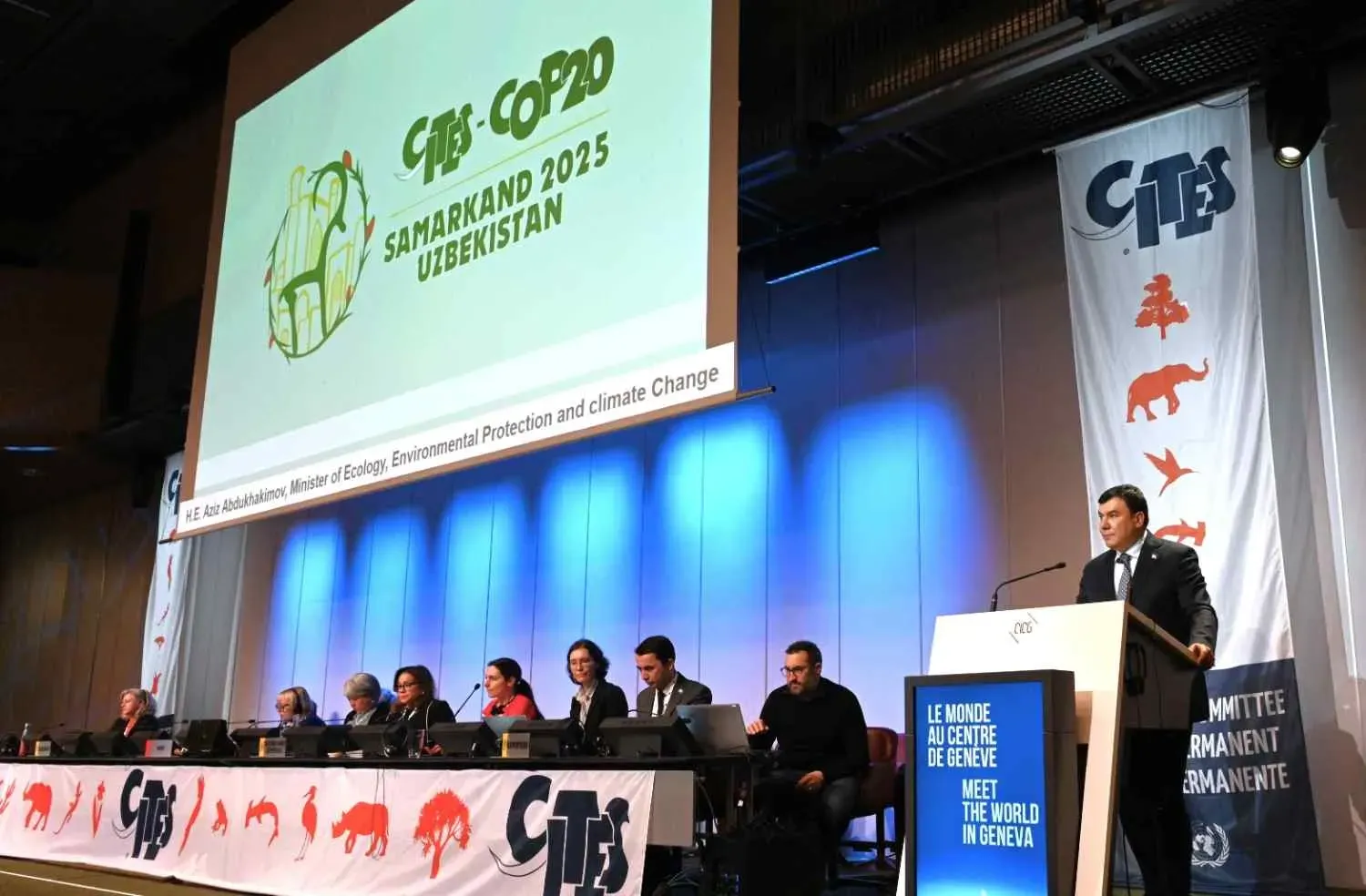
This year’s CITES COP20 will take place in Samarkand, Uzbekistan, from 24 November to 5 December 2025. It is the first time a CITES COP will be held in Central Asia, and roughly 3,000 delegates will attend.

These delegates come from a range of backgrounds, representing the 185 Parties and signatories of the Convention, relevant intergovernmental and non-governmental organisations, and other stakeholders with an interest in the conservation, use and management of wildlife.
Why is Kew attending?
Kew has been the UK's CITES Scientific Authority for Flora ever since the UK joined the Convention in 1976. Staff working on CITES provide independent advice to the UK government (Defra, the Department for Environment, Food and Rural Affairs) on the trade in plants and plant products.
Kew plays an important role in supporting Defra to develop the UK’s position on agenda items. Members of Kew’s Science Policy Team have been reviewing meeting documents, finding relevant research, consulting with Kew scientists and horticulture experts, and reaching out to other UK stakeholders and CITES Parties.
This level of preparation helps to ensure the UK has a good understanding on the impacts of any proposals and recommendations.
At CITES COP20, Kew will be part of the UK delegation alongside colleagues from Defra, JNCC and Border Force, providing advice on all plant-related topics under discussion. One Kew staff member will also support the CITES Secretariat (the core administrative and coordinating body) as a rapporteur, to help maintain an accurate record of each day’s discussions and decisions.
What will happen at CITES COP20?
At each CITES COP, Parties consider proposals to add, remove, or move species between the Appendices to adjust their levels of protection. Each Party reviews these proposals and decides whether to support, amend, or oppose them. This time, 51 proposals have been submitted for consideration at COP20.
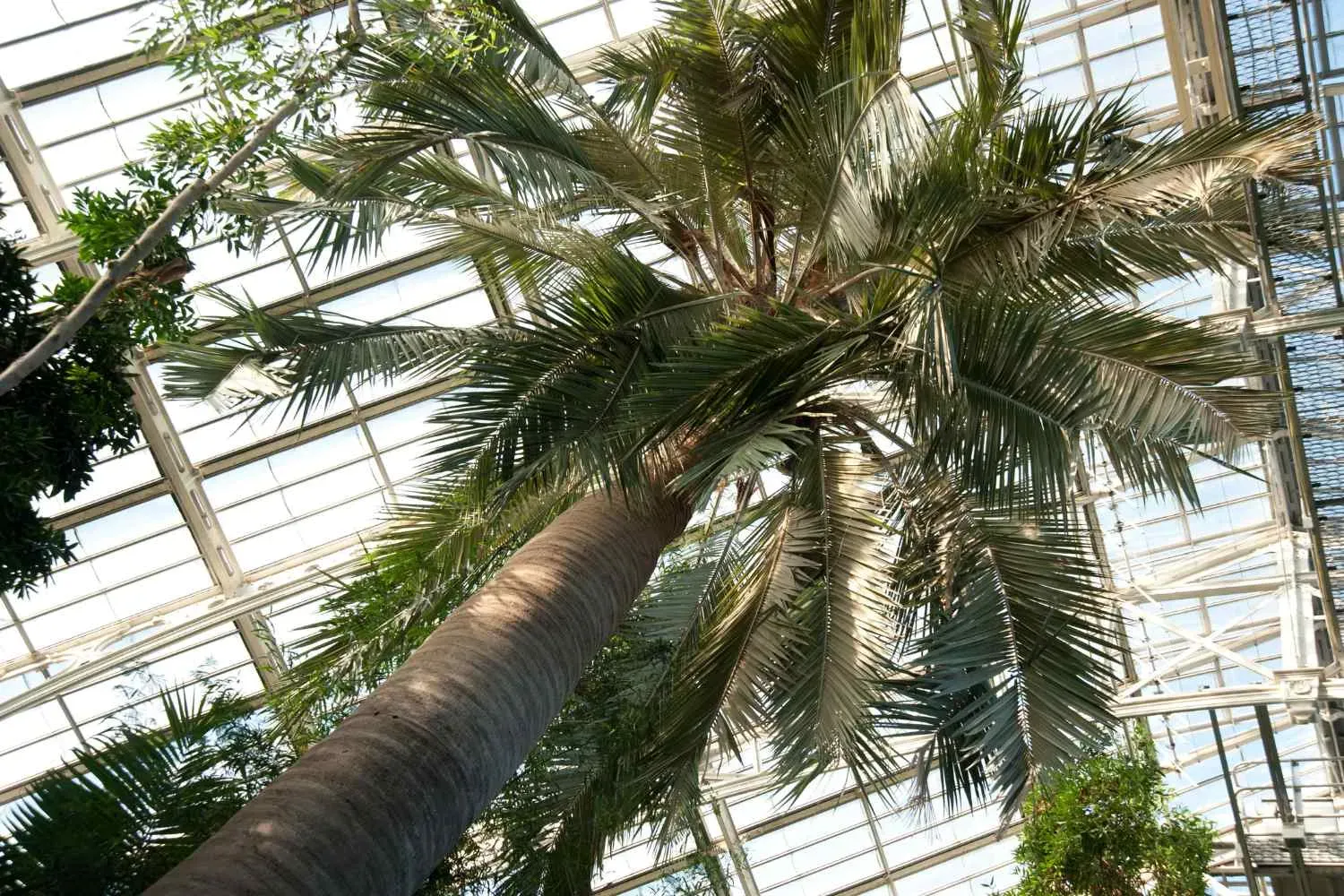
Twelve of these concern plants - including a proposal to list Commiphora wightii (Indian Bdellium, Guggal) a plant that produces a fragrant resin in Appendix II, and the iconic palm species Jubaea chilensis (Chilean wine palm) in Appendix I.
Following a similar proposal at COP19, Brazil has proposed to uplist the tree species Paubrasilia echinata (Brazil Wood or Pernambuco) to Appendix I.
This species is endemic to Brazil and is intrinsically linked with its history and culture; however, its timber also has excellent acoustic properties, meaning it is highly valued by artisans making bows for string instruments.
At COP20, the UK will present a voluntary registration scheme regarding stockpiles, co-developed with musical industry inputs, to promote sustainable trade and curb illegal supply chains.
With 114 agenda items, Kew staff and other COP20 delegates will be prepared for some long days of discussion and debate. Beyond species proposals the agenda will also cover a wide range of other important issues. These include discussions on illegal trade and wildlife crime, the trade in medicinal and aromatic plants and the identification of timber.
What else will Kew do at COP20?
Kew has helped to develop several documents that will be submitted at COP20.
Agenda Item 100: Medicinal and aromatic plants
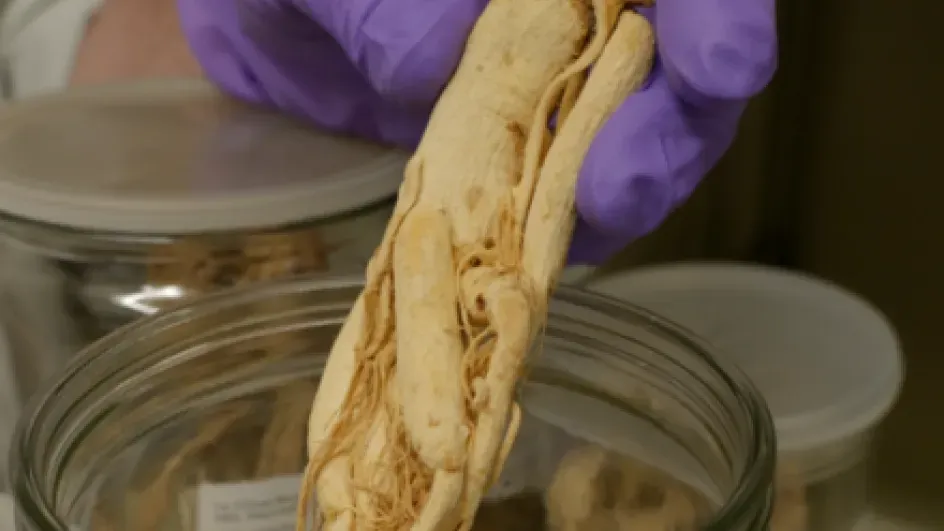
Kew’s Medicinal Plant Names Services (MPNS) will feature in a report produced by the CITES Secretariat, complied by TRAFFIC and Kew on CITES-listed medicinal and aromatic plant (MAP) species in international trade. The report found that nearly 1,600 CITES-listed species are in the MPNS database with a reported medicinal or aromatic use, 184 of these are found in trade, and 368 are formally regulated as health products by medical or food regulators.
Agenda Item 101: Fungi
After the UK and Chile launched the fungal pledge at CBD COP16, it seemed timely to revisit the issue within CITES. At CITES COP12, it was agreed that the convention in principle could be applied to Fungi. At Standing Committee 78 (who provide policy guidance concerning the implementation of the Convention), the UK submitted an analysis of fungi and lichen species in trade, including potential threats that such trade might pose.
The UK has continued to keep this conversation going, by submitting another document that captures feedback and additional information from other Parties in response to this analysis and invites future work to resolve potential CITES implementation challenges.
Agenda Item 110: Species nomenclature
Kew has prepared a new CITES species nomenclature checklist on Pachypodium for consideration at CITES COP20. CITES checklists provide a list of all the names of a group of plants and are used by CITES enforcement and management authorities to track trade and follow CITES regulations.
Pachypodium are found in Southern Africa or Madagascar and are popular succulents in the horticultural trade. The checklist is available in the three official languages of the Convention: English, French, Spanish as well as for the first time translated into Malagasy with the help of colleagues at the Kew Madagascar Conservation Centre (KMCC).
Seven standard nomenclature references submitted for approval at CITES CoP20 present a download from Kew's Plants of the World Online including the bulb genera Galanthus, Cyclamen and Sternbergia.
CITES COP20 side events
Alongside the main plenary and committee sessions, CITES COP20 will host a diverse programme of side events. These sessions provide Parties, NGOs and the CITES Secretariat the opportunity to give talks or run workshops on focused topics. Kew staff will attend selected side events including:
Sustainable Trade in Medicinal and Aromatic Plants (MAPs) - 3 December
Kew is co-hosting this side event with TRAFFIC and Nepal, focused on discussions on how to ensure sustainable and legal trade in CITES-listed medicinal and aromatic plants.

CITES Global Youth Network: The Future of Wildlife Trade Governance - 27 November
This session will highlight CGYN’s evolution, showcase youth-led initiatives and highlight the vital role of empowered youth in shaping the future of wildlife trade governance.
Why it matters and next steps
This meeting will review progress on species conservation, update CITES regulations and discuss challenges and successes in implementing the Convention. Importantly, it will set the direction for how international trade in specific species will be managed in the years ahead.
At COP20, Kew will play a vital role in ensuring plants remain at the centre of global conservation discussions, and that decisions are guided by the best available science.
Read & watch