6 min read
In the Amazon: Saving indigenous knowledge before it’s lost
Follow the journey of Kew Science Research Leader Dr William Milliken as he works with the Ye’kwana Indigenous people to document their endangered traditional practices and invaluable knowledge before it's lost forever.

At the early age of 24 - despite not being a botanist myself at the time - I somehow managed to enrol in an ecological survey run by the Royal Geographical Society, hosted in the Brazilian Amazon.
There were botanists, geologists, ecologists, soil scientists, entomologists, ornithologists, herpetologists – you name it! But there was no engagement with the Indigenous people who lived in the region.
However, during that project I did have the chance to meet, albeit briefly, the Ye’kwana Indigenous people. I began to understand a little of their extraordinary knowledge of biodiversity and this chance meeting turned out to be a pivotal moment in my life. In fact, it changed my life, and my career.
Since then, illegal gold miners have had massively detrimental impacts on their health, livelihoods and environment, alongside violence and mercury pollution. This has had a negative effect on everyday lives and the transmission of traditional practices and knowledge.
That first expedition sparked a lifelong association with the Ye’kwana. I returned the following year, and then again in 1994 on a project funded by Kew. Between 2019 and 2021, I helped train younger researchers to preserve vital connections with medicinal plants gleaned from Ye’kwana elders.
And now years later, I've embarked on a new collaborative – and critically-needed – project, intended to safeguard endangered Indigenous knowledge for future generations.
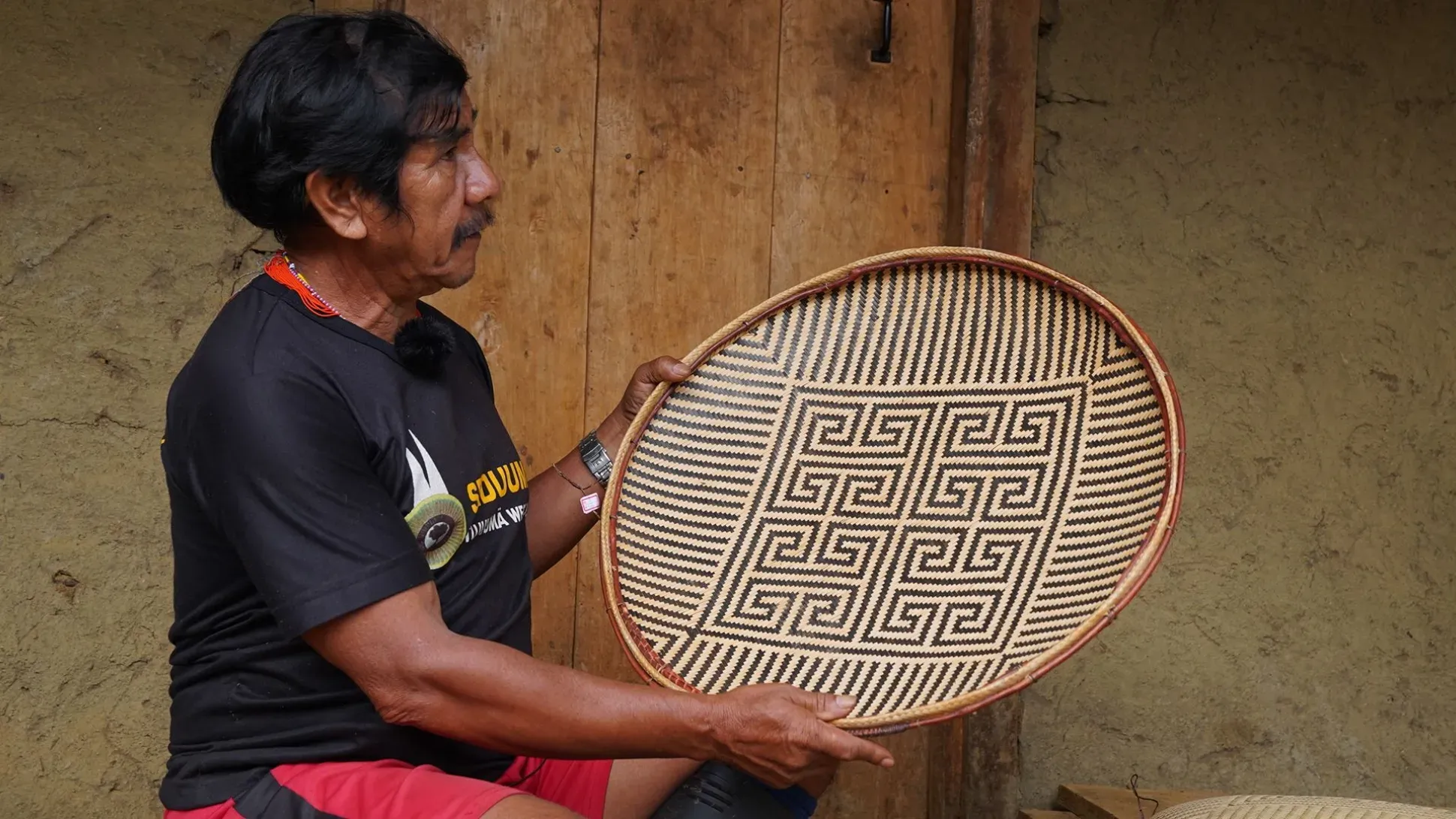
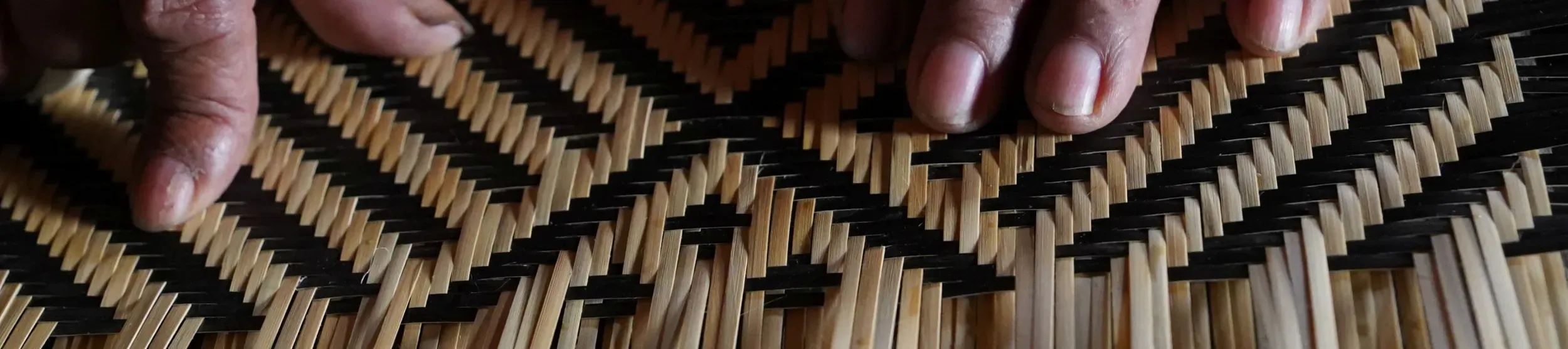
This project, funded by Endangered Material Knowledge Programme, is investigating and documenting the detailed methods of making (and associated knowledge) of objects constructed by the Ye’kwana Indigenous people in Brazil. We're focussing on plant-based basket-weaving and the construction of dugout canoes (kudiiyada), as these were thought by the Ye’kwana to be the most threatened.
Recording knowledge
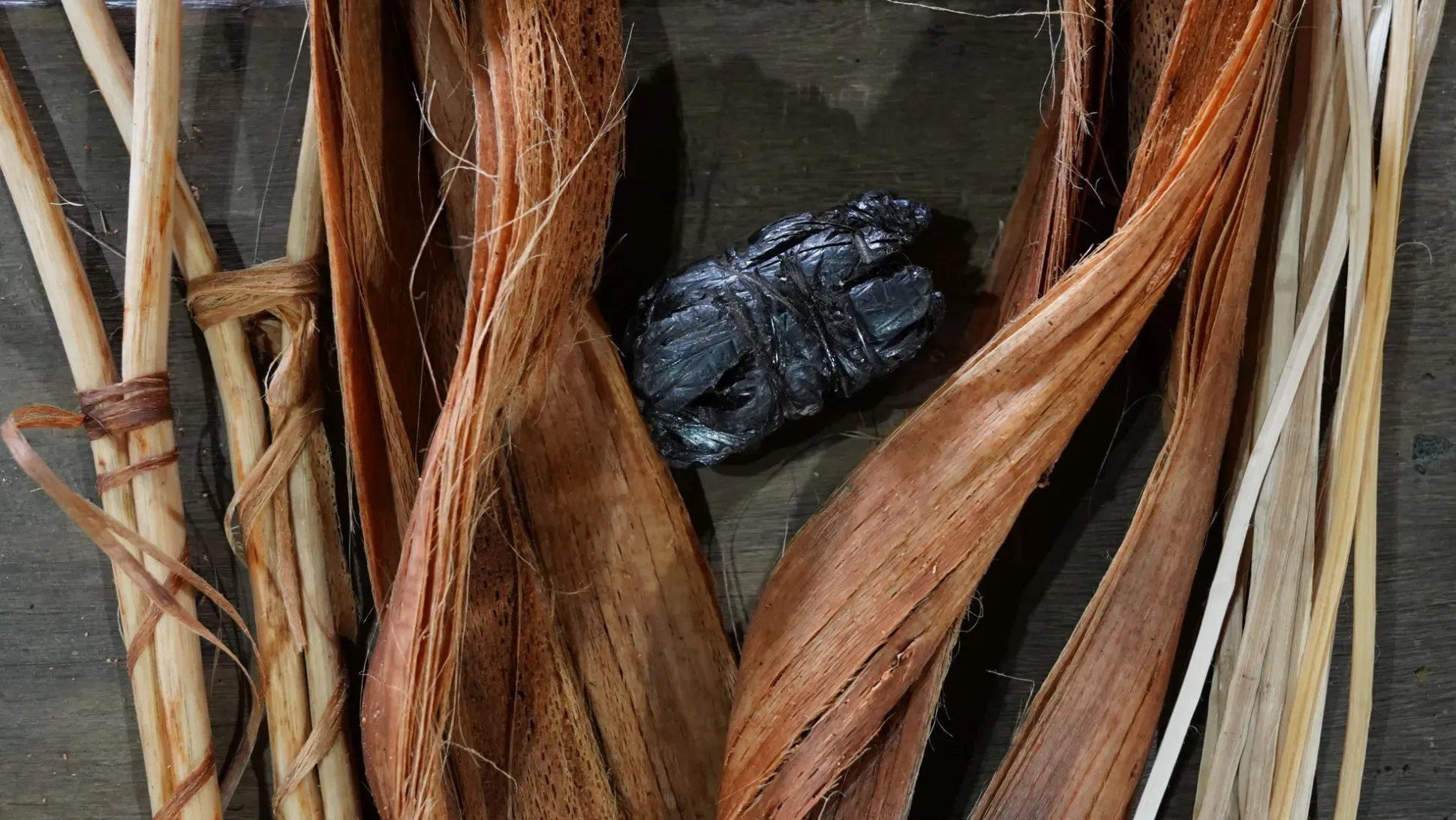
The project involved identifying the plant materials used to make these objects, how these are sustainably harvested and prepared, and documenting the techniques in the construction and the actual use of the objects (though video, photographs and recordings/interviews).
Our holistic approach investigates and documents traditional practices integral to ancient narratives (wätunnä), ritual knowledge relating to the object creation, formation and traditional designs, and preventative practices that are necessary during the fabrication process to protect the human community.
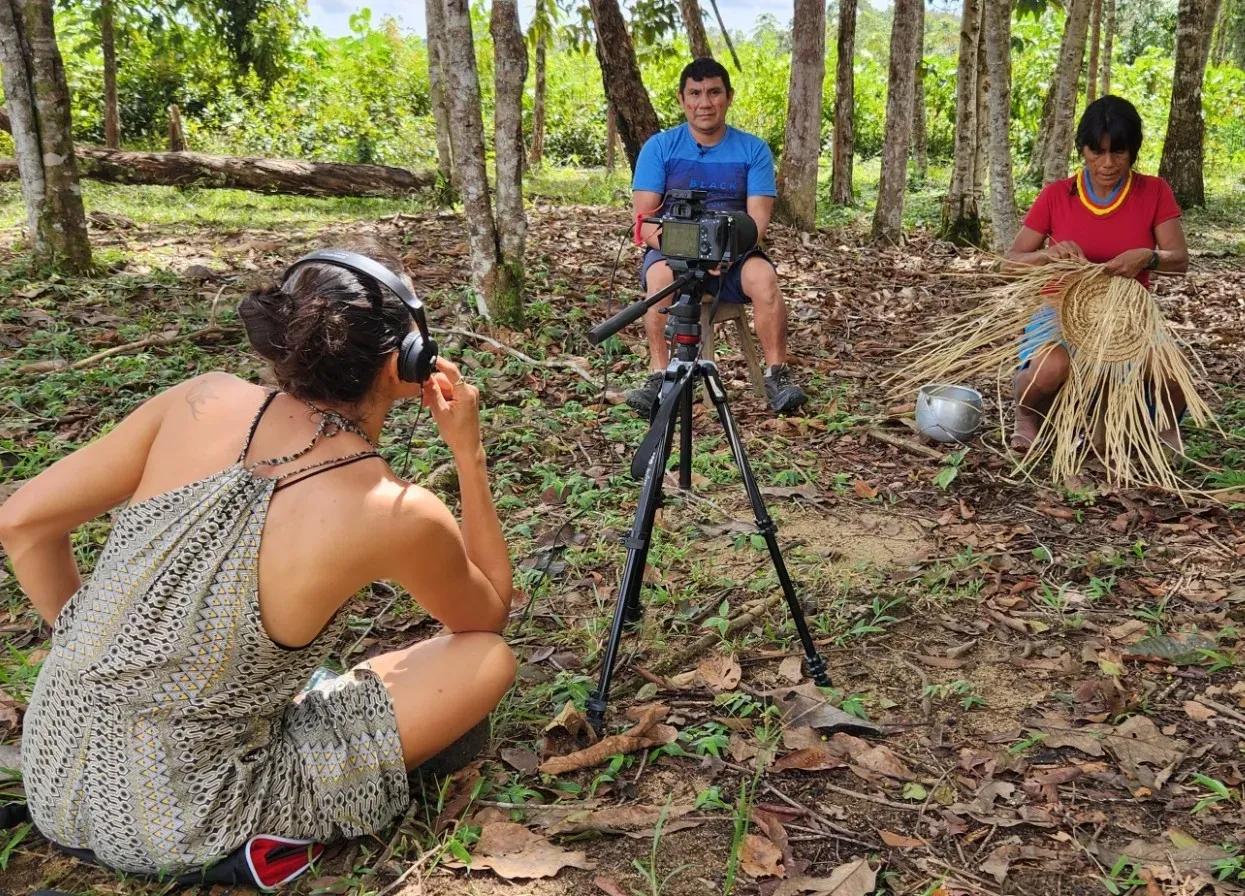
The knowledge is primarily held by older generations and has not been passed down to the next, due to the gradual transformation of the Ye’kwana lifestyle after interaction with the non-Indigenous people. The primary goal is not only to document that knowledge for posterity but re-invigorate the Ye’kwana knowledge and practice, for future generations.
For this reason, the project is conducted primarily by Ye’kwana people though their own organisation (Wanasseduume Ye’kwana Association), with support from trained researchers.
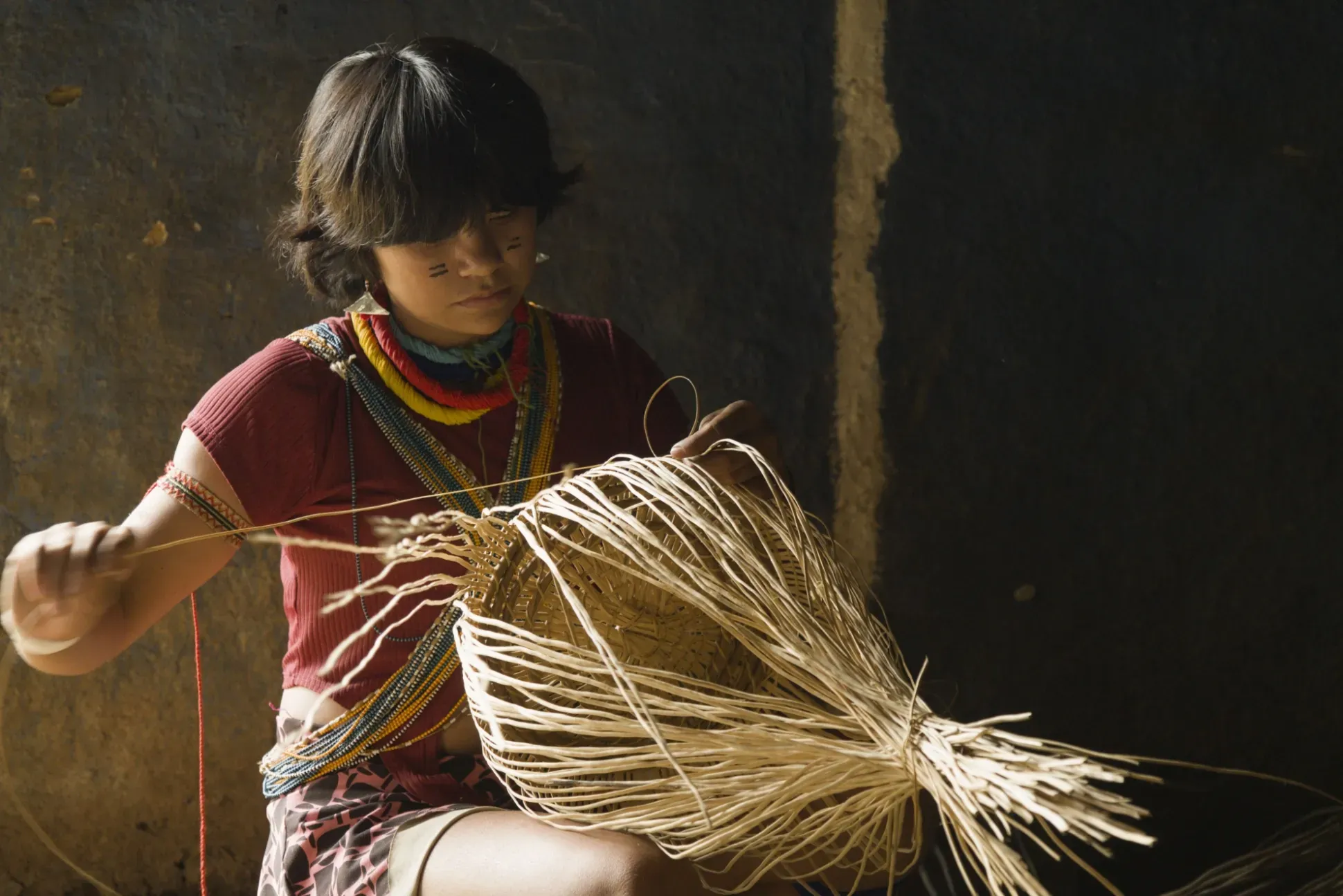
The first workshop at the Fuduuwaadunnha community (Auaris Region, Yanomami Indigenous Land), focused on basket weaving. In the ättä (a community house) we introduced the project, the purpose of the EMKP, and discussed their own specific perspectives and needs.
During the initial meeting, although the original focus was on the waja tömenaato (designed) basket, the older knowledge holders (from both genders) were much more interested in baskets that are needed for their daily life, and which many of the younger people no longer know how to make.
These included specifically the wasshawa baskets that are used to carry manioc (cassava) from their swiddens, made by women, and the tönköi (or tipiti) baskets used to extract the poisonous juices from manioc, made by men. We also recorded the construction of other essential baskets, modifying the project to meet their needs.
The Ye'kwana focused the practical workshop specifically on training younger people, and for them to learn from the older knowledge holders.
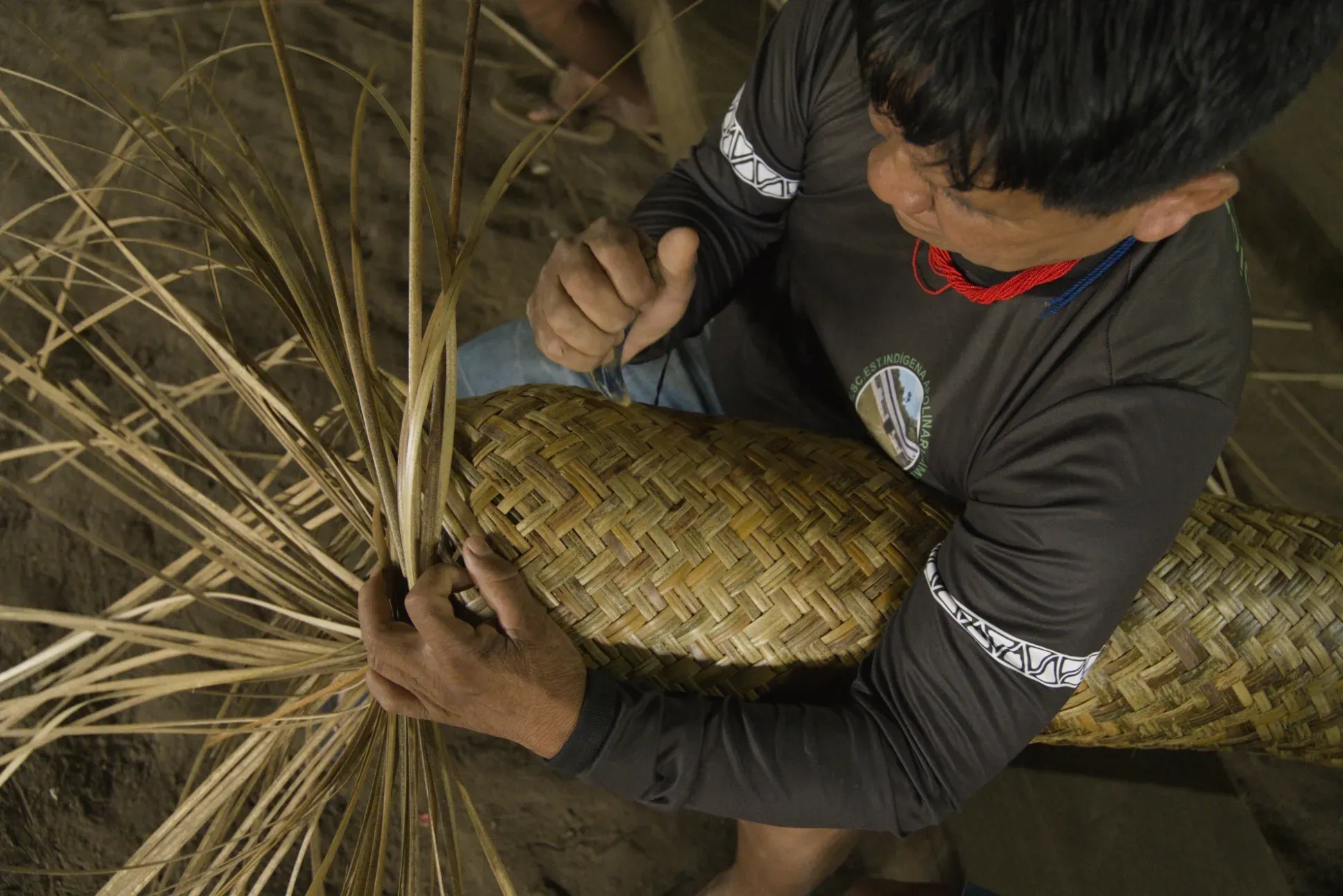
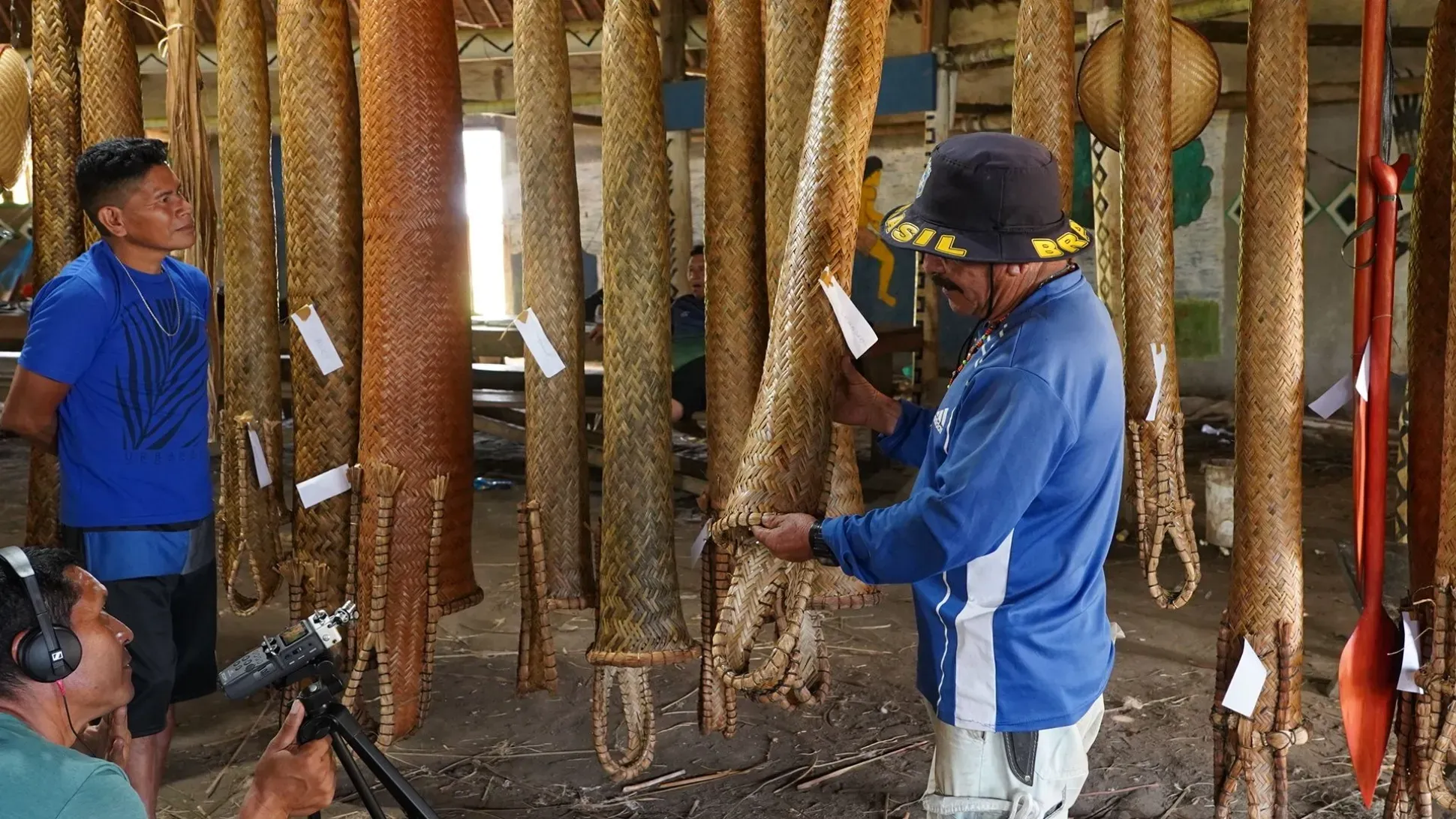
On the final day there was a community meeting in the ättä, when each of the baskets produced during the workshop was discussed by the knowledge holders, including weaving techniques, materials etc., alongside wider discussions of basket weaving, traditional techniques, and the importance of maintaining their skills.
The second workshop – making a dugout canoe
The tradition of the Ye’kwana people in constructing large dugout canoes and navigating them through dangerous rapids is well known. Excellent navigators, they became important figures in Indigenous exchange relationships in the Guiana region centuries ago. The kudiiyada canoes, a recognized Ye'kwana speciality, was one of the main articles of trade.
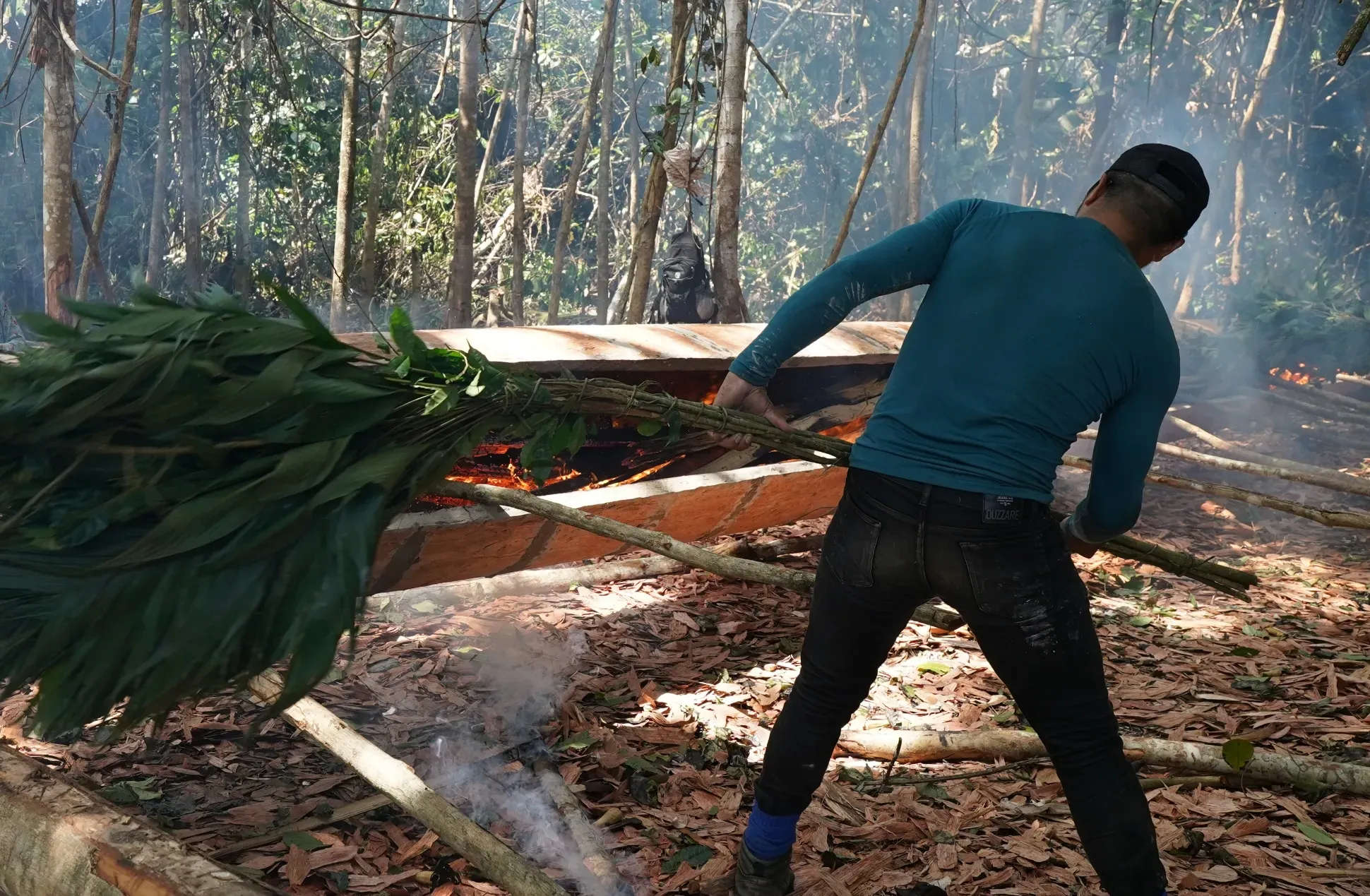
With the arrival of the garimpeiros in the 1980s, and learning the dangerous route up the Uraricoera River, aluminium boats have replaced traditional dugouts. The knowledge of how to prepare them is now disappearing rapidly, along with the rituals associated with it.
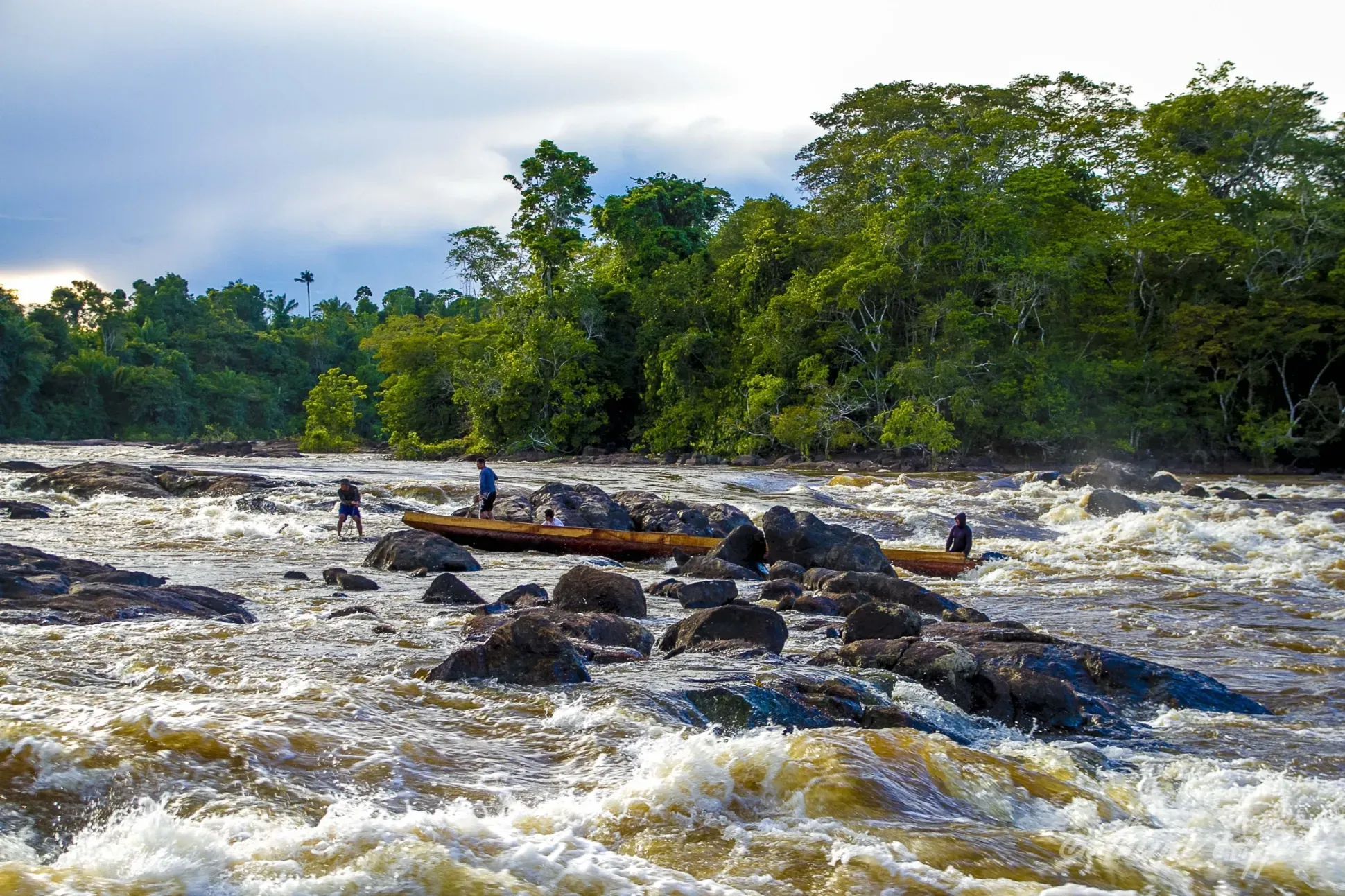
This workshop was conducted in the Shidiichä Antadönnha community (Waikás) on the Uraricoera river documenting the transformation from a standing tree to a completed dugout.
This included selecting the right species (several have been used in the past), felling, hollowing, burning the tree, and then launching the canoe. Making the dugout is only done by men, so we also recorded the making of the muwaajo – a beaded skirt that is worn (and made) by the women.
Long-term engagement
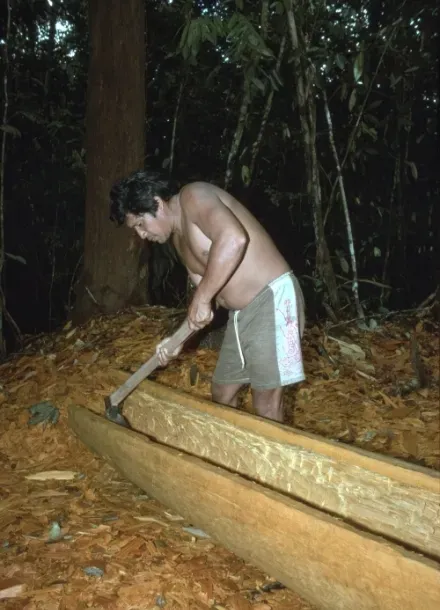
The current project is part of a longer-term relationship, now spanning decades. Since meeting the Ye'kwana in 1987, I returned in 1994 to document the medicinal plants used to treat malaria, as the disease had serious impacts in the region.
At that time, Sebastião (pictured below) was busy making dugout canoes. Now, during the second EMKP workshop, he was training younger men with the techniques of canoe building which were rapidly disappearing. From 2019 to 2021 we worked together, in the same communities, training young Indigenous researchers to record the threatened knowledge of medicinal plants.
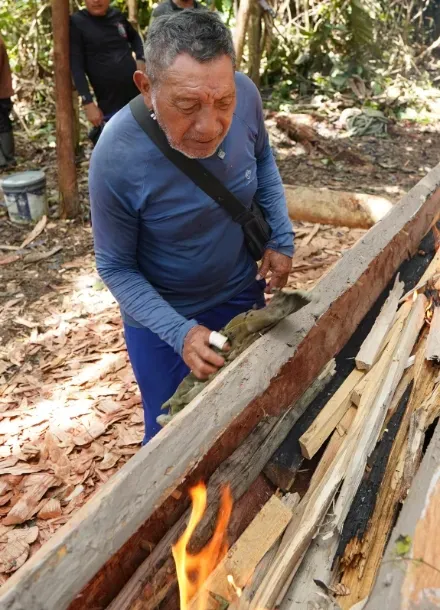
Similarly, in 2025 I met two men whom I last saw in 1987, helping me map the route through the rapids and islands of the Uraricoera river. Long-term collaboration allows for mutual understanding and - most importantly - trust, which is crucial for long-lasting impacts that will span generations to come.
References
Hames, R.B. & Hames, I. (1976), Ye'kwana Basketry: Its Cultural Context. Antropologica 44: 3-58.
Guss, D.M. (1989). To weave and sing: art, symbol, and narrative in the South American rainforest. University of California Press.
Acknowledgements
Funded by the British Museum’s Endangered Material Knowledge Programme, this project was carried out in partnership with the Wanasseduume Ye’kwana Association (SEDUUME), community knowledge holders, and numerous collaborators, including Julio David Magalhães Rodrigues (co-applicant), Majoí Favero Gongora (co-applicant), Robelio Claudio Rodrigues, Josemar Rocha Paulino, Edmilson, Robivaldo Gimenes, Tomás da Cunha Tancredi, Sebastião Sostene Costa da Silva, Fraga Costa da Silva, Cabrencio Castro, Simão Rodrigues, Ivan Gimenez da Silva, Mario Sostene Rocha, Ubiratan Victor Rodrigues, Eduardo Carlos da Silva. The project has been assisted by Instituto Socioambiental.
Want more science stories like this?
Get our latest science stories straight to your inbox by signing up to our free newsletter.