23 February 2026
6 min read
The science behind the festival: orchids of China
China is home to an extraordinary diversity of orchids, many of which are under threat. As Kew hosts its annual Orchid Festival, we explore the conservation science behind orchids of China - from Red Listing gaps to climate-driven risk.

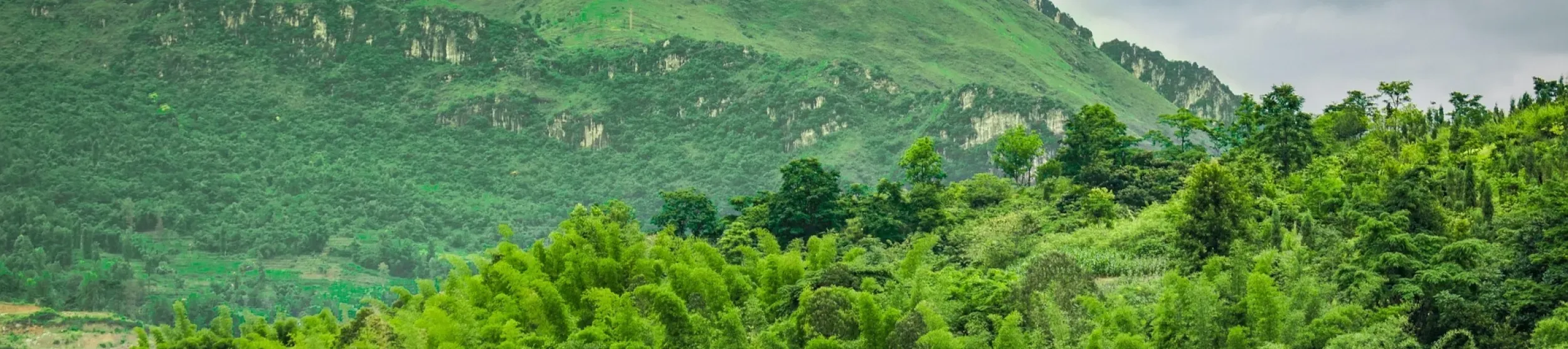
Orchids represent one of the most diverse and ecologically complex plant families on Earth. With over 30,000 known species, they occur on almost every continent and in nearly every habitat – from tropical rainforests to alpine meadows.
Yet despite their global success, many are now at risk.
China is home to more than 1,700 orchid species, reflecting a breathtaking range of landscapes – from the humid forests of Yunnan to the snowy slopes of the eastern Himalayas. Among them are iconic genera like Paphiopedilum, Cypripedium and Dendrobium – valued not only for their beauty, but also for their cultural and medicinal significance.
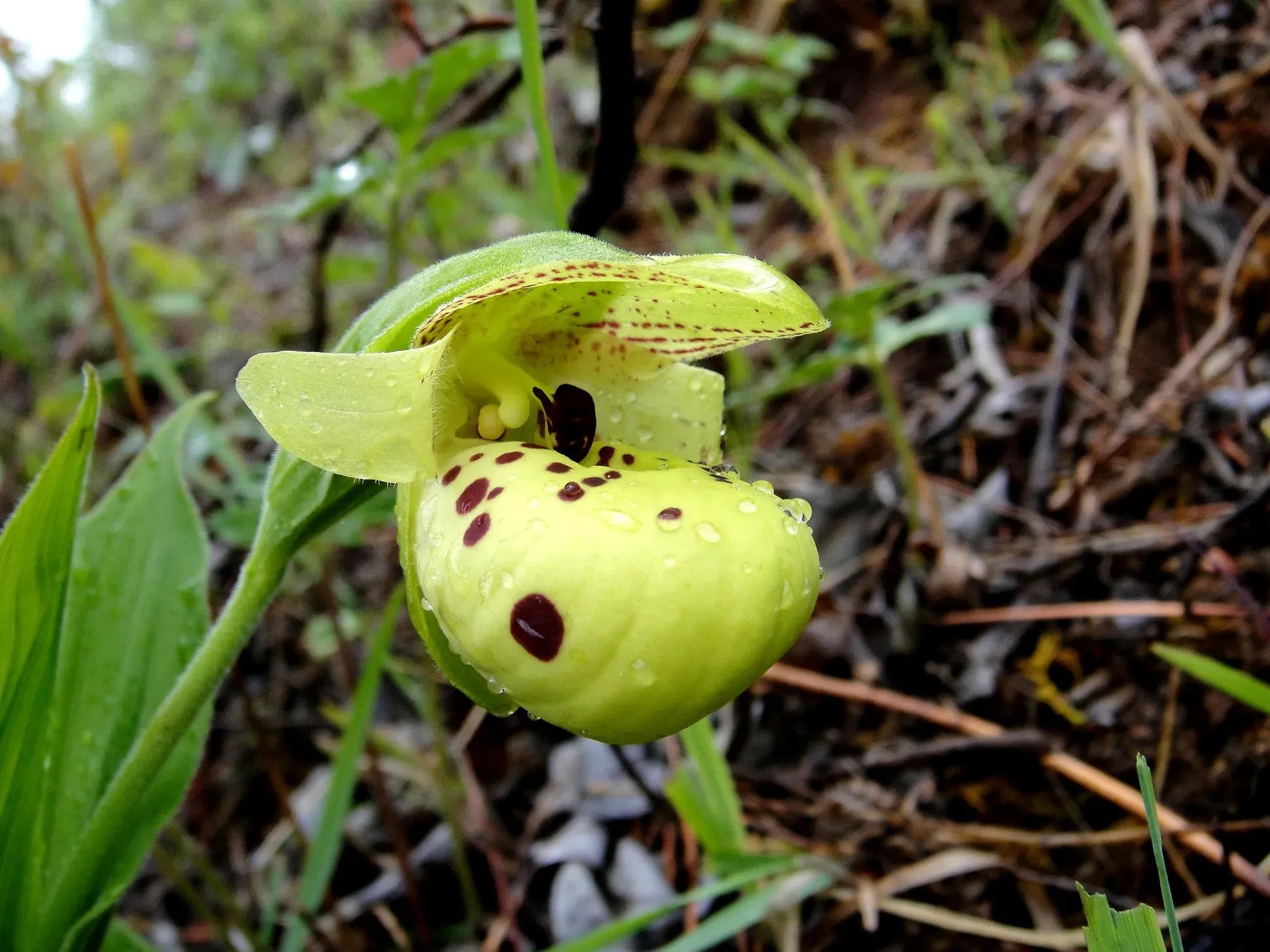
As visitors arrive for this year’s China-themed Orchid Festival at Kew, our displays evoke these rich traditions and ecosystems. But beyond the spectacle lies a more urgent story: orchids are under unprecedented threat. Nearly 60% of species may be at risk of extinction – far higher than for flowering plants overall.
In this blog, we explore why orchids – especially those of China – are so vulnerable, and how science is helping to secure their future.
Orchid diversity in China: a national treasure at risk
China is home to more than 1,700 orchid species, making it the third richest country in Asia for orchid diversity, after Indonesia and Malaysia. This richness reflects China’s vast ecological range - from subtropical rainforests to alpine meadows, arid deserts to coastal lowlands. Chinese orchids represent all five orchid subfamilies, including striking groups such as the slipper orchids (Paphiopedilum and Cypripedium), Dendrobium, Gastrodia, Pleione and Cymbidium.
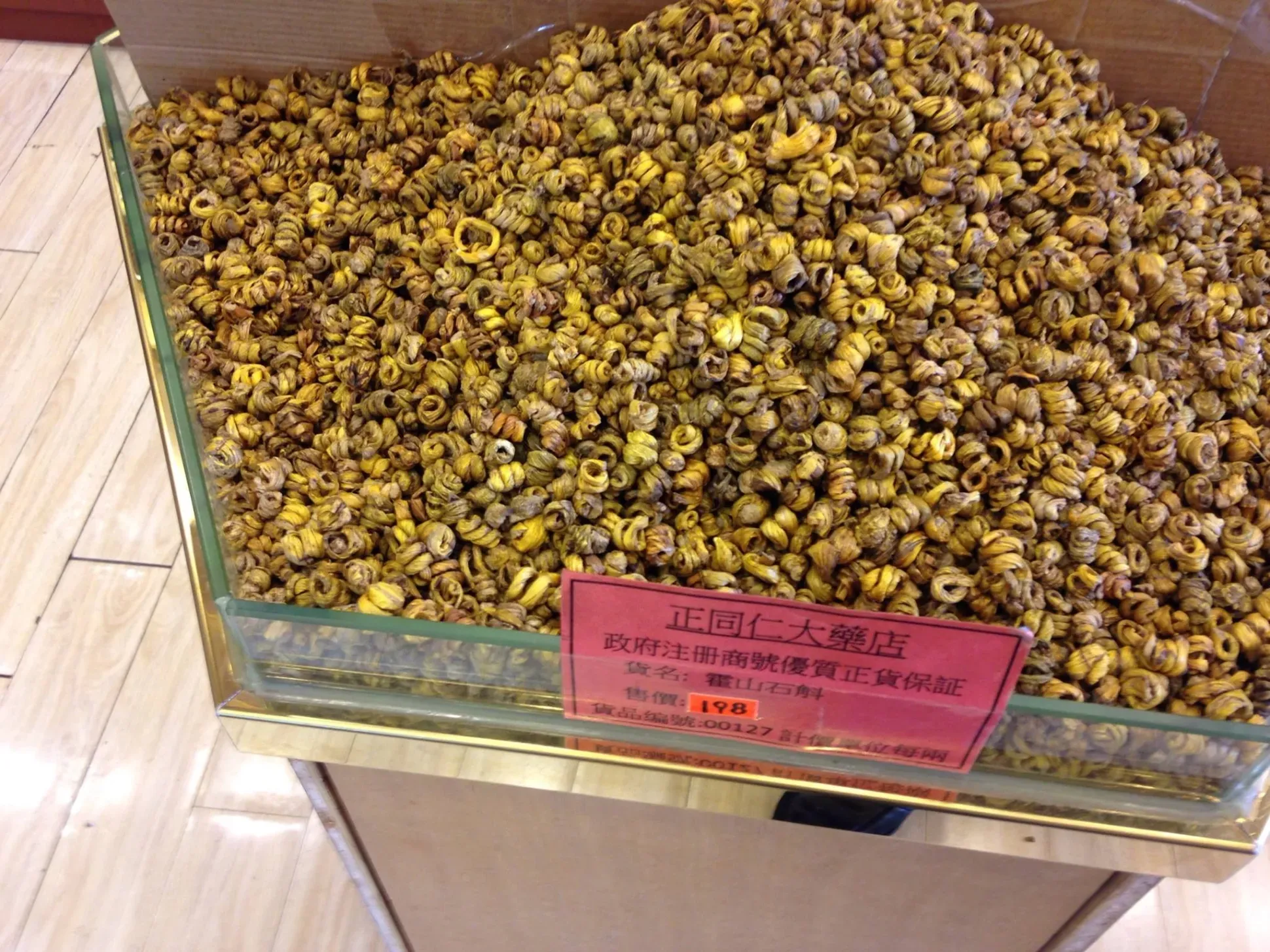
Some, like Cymbidium, have been cultivated for centuries in Chinese gardens and temples. Others are now harvested for Traditional Chinese Medicine (TCM) at increasingly unsustainable scales - not just for local use, but for global export. Orchids’ cultural and medicinal value has become both a symbol of pride and a threat to their future.
From forests to firelines: the threats orchids face
The threats to Chinese orchids mirror global trends. Habitat loss - fuelled by rapid development, agriculture and infrastructure expansion - is widespread. Air pollution adds an extra layer of stress. Meanwhile, illegal and unsustainable harvesting for TCM and specialist collections is accelerating declines.
Climate change and wildfire are emerging as serious concerns. Many Chinese orchids have narrow ecological niches. Even small changes in temperature or moisture can tip them from fragile persistence into extinction.
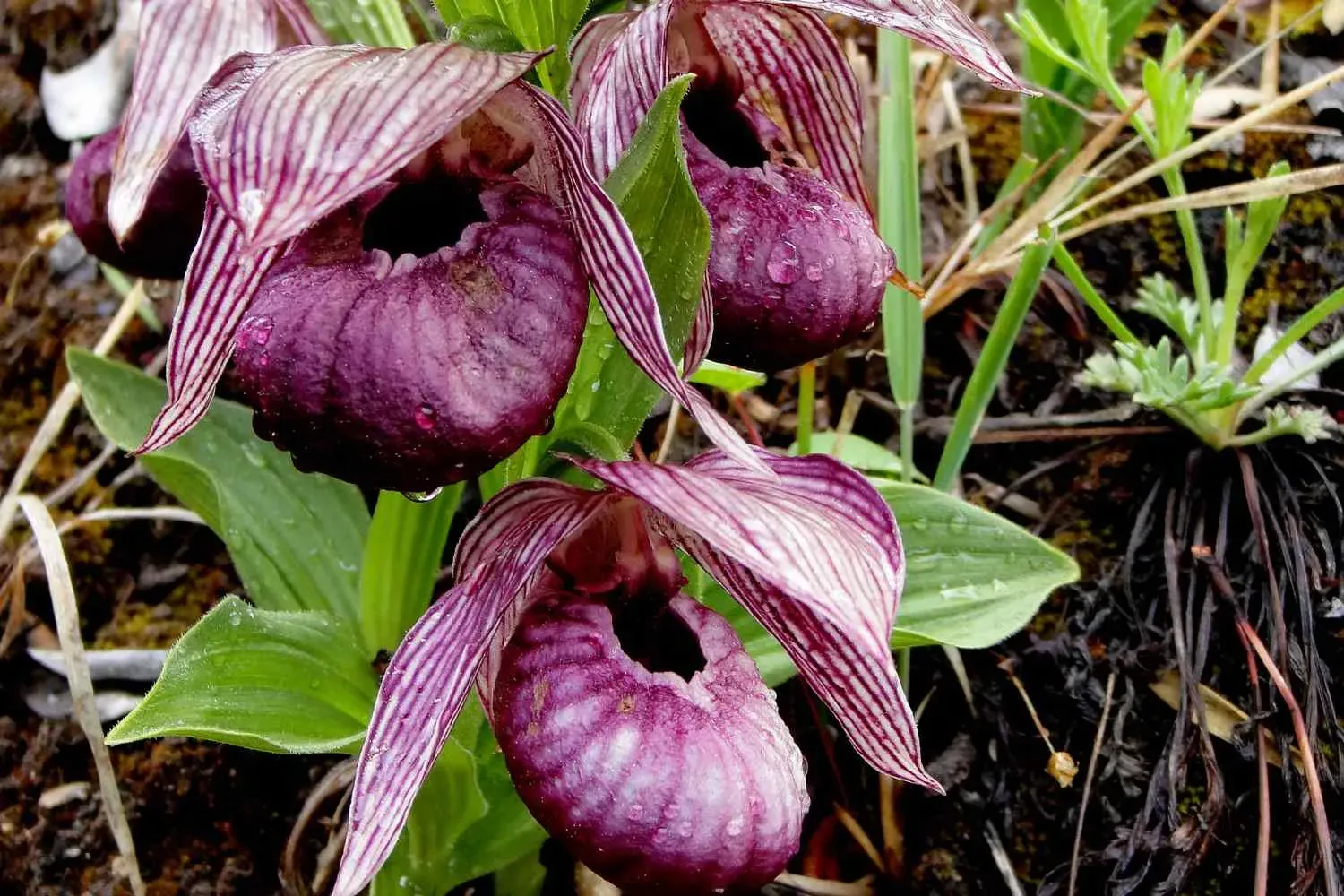
Slipper orchids (Paphiopedilum) are a case in point. Over 90% of species in this genus are threatened with extinction, and China is a hotspot for their diversity. Many have highly specific habitat needs and small ranges - making them prime targets for illegal collection. When a new species is described, poachers may arrive before conservationists can act. The story of Paphiopedilum vietnamense - virtually wiped out after its discovery in 1999 in neighbouring Vietnam - is a sobering example.
Are we doing enough? Red Listing and research gaps
Only around 7% of orchid species have been assessed for the IUCN Red List. That leaves more than 90% Not Evaluated (NE), and many existing assessments are outdated. However, machine learning models support the view that orchids are more than 1.5 times more threatened than other flowering plants.
Geographically, Asia and South America are major blind spots in Red List data - though China’s own National Red List offers better coverage than most countries in the region. Functionally, epiphytic orchids remain under-assessed globally, despite evidence that they may be more vulnerable than terrestrial species.
Taxonomically, groups like Vanilloideae and Epidendroideae are lagging behind. This includes important genera like Vanilla, with both ecological and economic value. New tools are helping to close these gaps. For instance, predictive modelling by Bachman et al. has identified high-risk regions - such as East Asia and South America - with many likely-threatened species.
Orchids under climate pressure: adapting to a hotter world
Climate change is creating new mismatches in orchid ecology. In Europe, the early spider orchid (Ophrys sphegodes) now flowers earlier in warm springs, but its male pollinator emerges at the usual time - leading to reduced pollination success.
In Australia, however, some orchids show surprising resilience. Caladenia species have deep underground tubers that insulate them from heat, and studies suggest their fungal partners are likely to persist under future climate scenarios. Such insights hint at strategies that might aid conservation elsewhere.
Could Chinese orchids adapt in similar ways? Possibly - but their diversity of forms and life strategies (terrestrial, epiphytic, lithophytic) makes generalisations risky. What is clear is that some species are already suffering from shifting temperatures, drought and extreme weather events.
Conservation in action: from lab to landscape
Fortunately, scientific advances are supporting new conservation approaches. The FORECAST project has revealed unexpected differences in how orchids respond to heat - even among species with similar lifestyles. Genetic studies are helping identify areas of unique diversity, guiding in-situ conservation.
Integrated strategies are key. Kew’s work on the native lady’s slipper orchid (Cypripedium calceolus) combines habitat management, hand pollination, in vitro germination and seedling reintroduction. Ex-situ efforts such as pollen banking and tissue culture provide insurance - but must complement, not replace, action in natural habitats.
Successes are emerging. Some Australian and European terrestrial orchids are producing second-generation seedlings in the wild. Epiphytes have been reintroduced in urban parks in Florida and Singapore. Yet most projects require patience - and decades-long commitment.
Spotlight on the festival: from science to spectacle
Kew’s annual Orchid Festival transforms the Princess of Wales Conservatory into a celebration of global orchid diversity. This year’s theme, China, is both culturally resonant and scientifically urgent.
Visitors encounter displays inspired by Chinese landscapes and symbolism, but many of the plants within this conservatory are themselves conservation stories. Nearly all orchids at Kew grown from seed are germinated in-vitro - a technique used here in the 1980s. It’s also used to propagate plants for reintroduction.
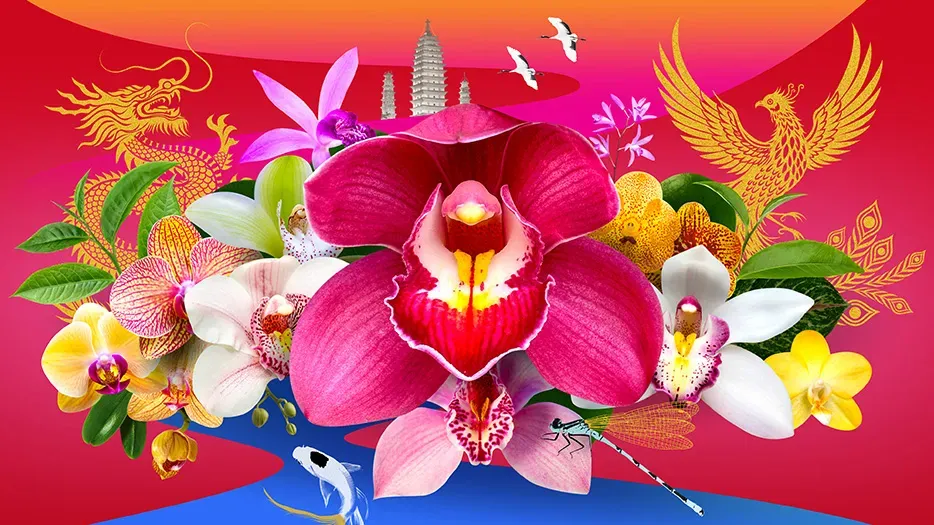
Behind the scenes, Kew scientists study orchid taxonomy, genetics, pollination and mycorrhizal relationships - all vital to safeguarding the future of these species. Chinese slipper orchids, many of which are on display when in flower, represent some of the most threatened in the world.
What next? A call for coordinated conservation
What does the future hold for orchids? Much depends on coordinated, proactive conservation. Identifying and protecting key areas of diversity - such as through Tropical Important Plant Areas (TIPAs) - can safeguard entire suites of species and their ecological relationships.
For species already teetering on the edge, intensive care approaches using seed germination, genetic analysis and fungal studies are essential. With around half a billion orchid plants produced annually in commercial horticulture, the technology exists to prevent extinction.
But charisma and technology alone aren’t enough. Strategic conservation depends on knowing which species are at risk, and where. That requires timely Red List assessments, research investment, and global collaboration.
As Darwin and Kew’s own Joseph Hooker knew, orchids are more than beautiful curiosities. They are windows into evolution, ecology and conservation. And today, they are a call to action.
Read & watch
Above the forest floor: how rare are orchids in the wild?
Orchidelirium: Kew’s dried flower collection reveals a Victorian infatuation