24 November 2025
6 min read
Vanishing experts, vanishing species: The taxonomy crisis
Plant taxonomy is the foundation of biodiversity science, but a global skills crisis threatens its future. Training a new generation of taxonomists is urgent and new research maps where help is most needed to close the skill gaps.


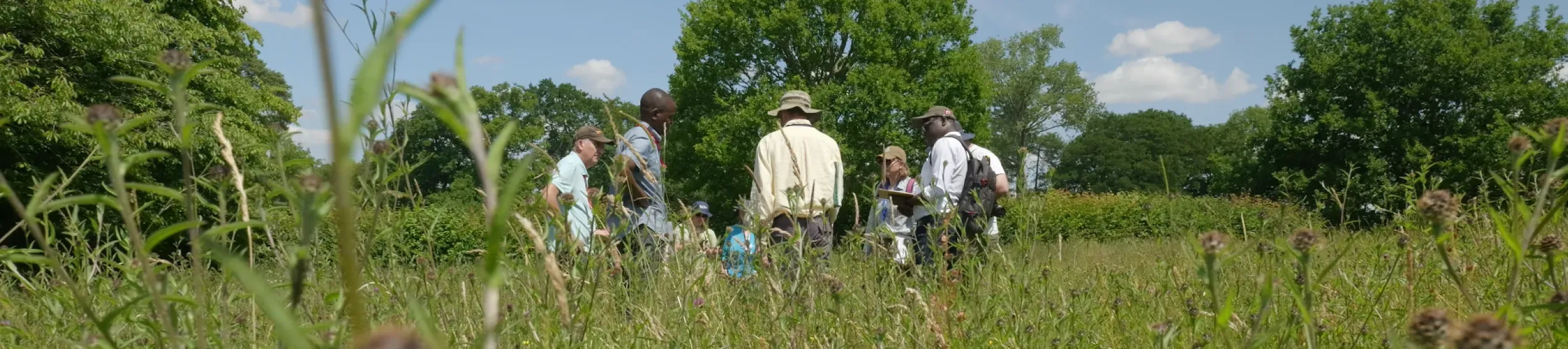
What do reforestation projects, climate modelling, and timber trade laws have in common? They all rely on plant taxonomy – a field often dismissed as old-fashioned, yet fundamental to modern science and policy.
Taxonomy, the science of naming and classifying organisms, shapes how we understand and protect biodiversity.
Here I share the findings from our new research, published in Trends in Plant Science, which for the first time maps the global state of plant taxonomy training and capacity.
The results are sobering.
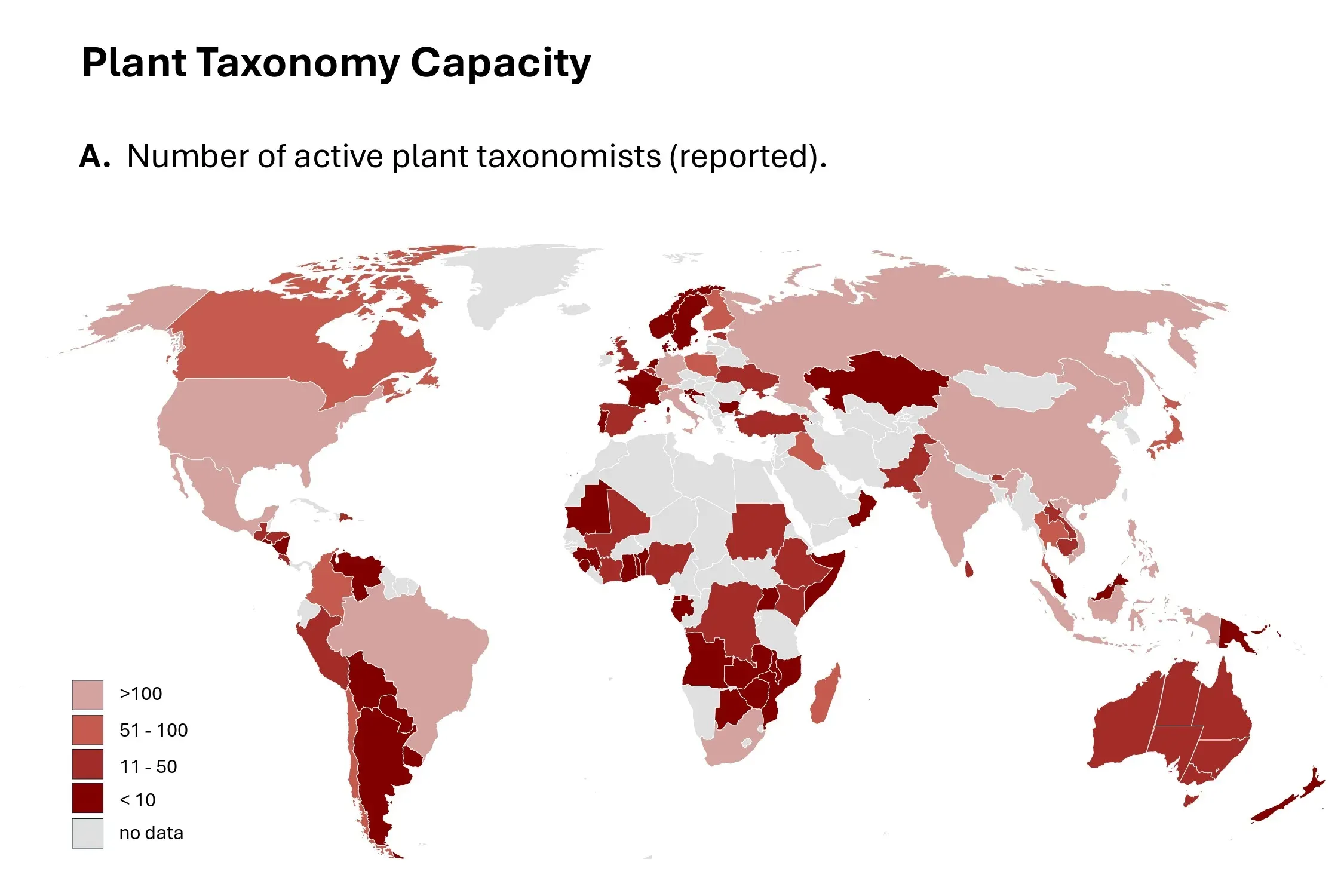
In nearly half the countries surveyed, there are fewer than 10 active plant taxonomists. In eight countries, no formal training exists at all.
Yet, plant taxonomy provides the backbone for biodiversity policy, restoration efforts, seed banks and species trade regulation. It also powers the latest scientific tools – from AI plant ID apps to genomic studies – all of which rely on robust, accurate species data.
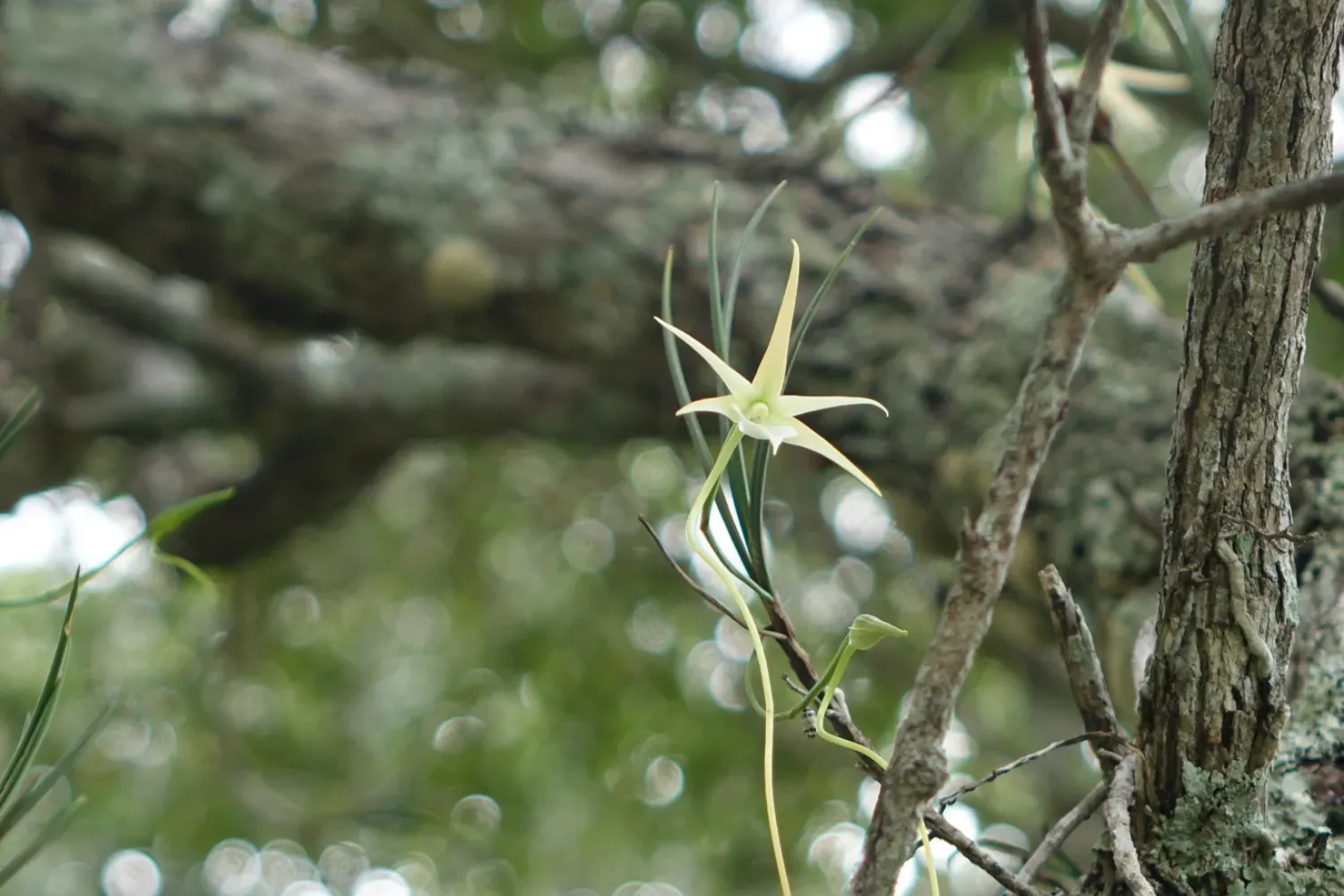
The unseen backbone of conservation – and the technology driving it forward
From trade regulation to habitat restoration, accurate plant identification and well-defined species concepts underpin global biodiversity efforts. But gaps in taxonomy training mean that plant identifications start to lag behind, with piling backlogs of unidentified material and mistaken species names.
In addition, the incorrect interpretation of what a species is interferes with the assessment of their threat status, i.e how likely they are to go extinct. When plants are misidentified, it can be wrongly assumed that a species is more common and less threatened than it really is.
This means that the crisis of taxonomy skills directly impacts the success of conservation efforts.
Governments depend on high quality taxonomic data to meet biodiversity targets such as the Kunming-Montreal Global Biodiversity Framework. Yet, without this foundation, effective policy is impossible.
Technology is, without a doubt, transforming taxonomy and helping to accelerate progress.
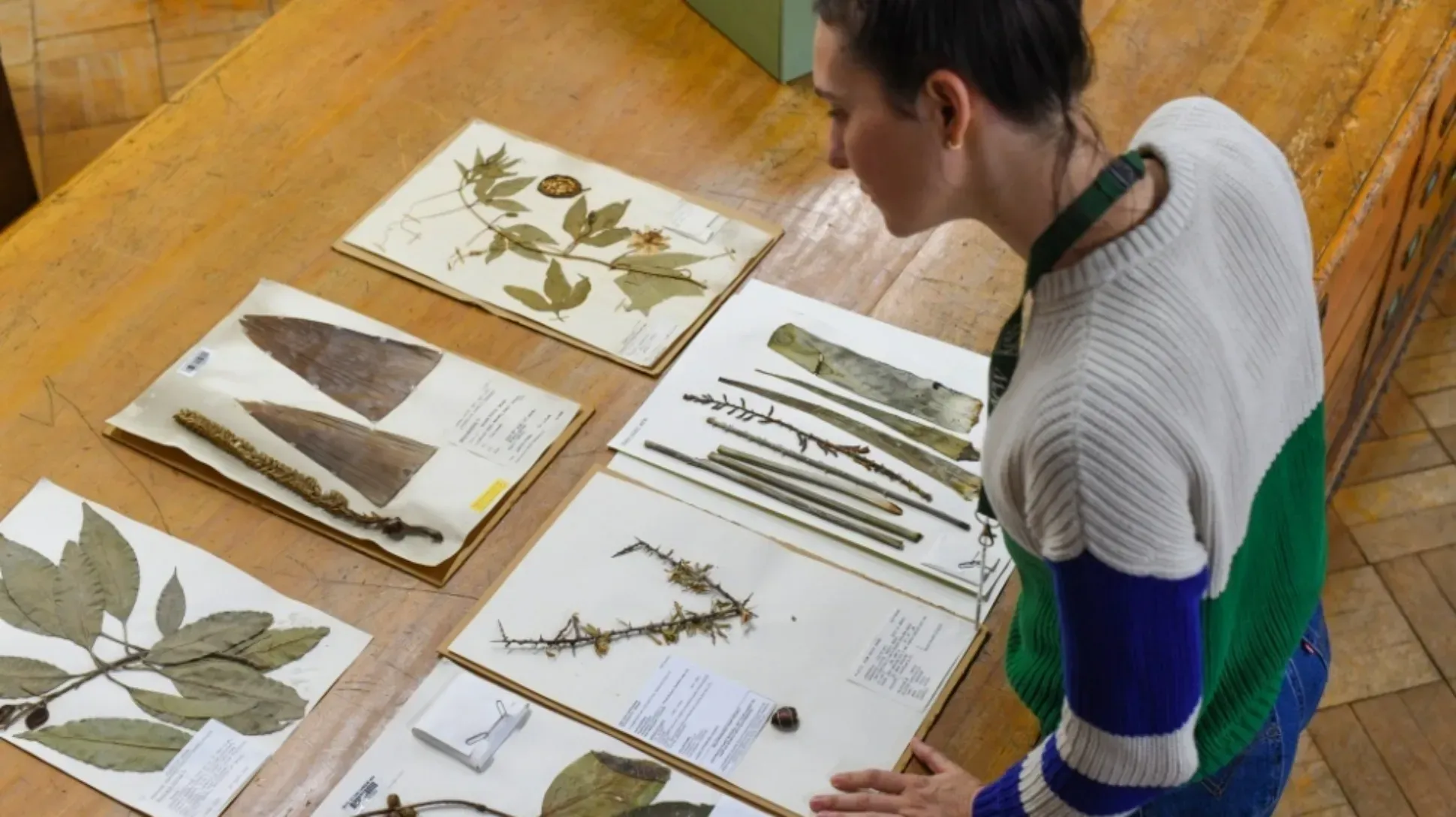
Digitised herbaria like on Kew’s new Data Portal and databases like World Flora Online are widening access, while newly developed AI tools based on herbarium specimens and community-based platforms for identification of live plants, such as iNaturalist, make identification more accessible.
Genomics is also helping to redefine species boundaries more accurately. At Kew, our Plant and Fungal Trees of Life project uses DNA sequencing to clarify plant relationships and the data can be viewed through our Tree of Life Explorer.
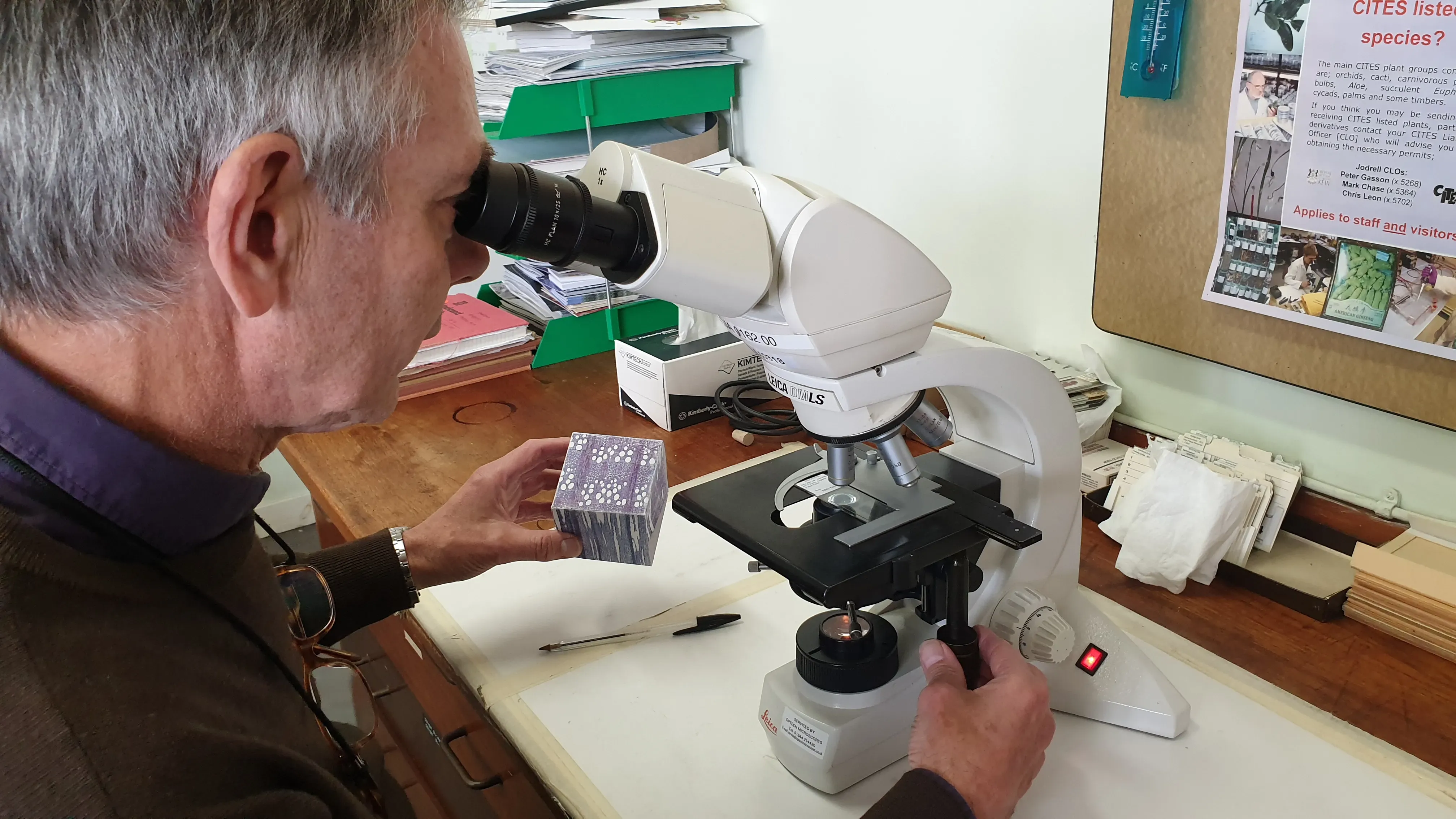
Other advanced technologies, such as electron microscopy, also enable analysis of pollen, seeds and chemical characters in more detail – allowing us to improve plant identification and species characterisation.
Projects like World Forest ID help combat illegal logging by tracing timber origins from specific chemical compounds.
All of these advances make this one of the most exciting times to be a plant taxonomist, albeit also one of the most challenging.
The number of specialists in this field is plunging to a worryingly low number, and this is compromising our efforts to mitigate the biodiversity crisis.
Taxonomy is vital to addressing today’s environmental challenges – but it relies on people with the right skills to sustain it.
A critical skillset in decline
Despite its importance, plant taxonomy is facing a global capacity crisis. As biodiversity loss accelerates, the number of trained taxonomists is shrinking – especially in biodiversity-rich regions, where their work is most urgently needed.
Opportunities to study and practice taxonomy are disappearing. Courses are being cut, careers are underfunded, and the field is often viewed as less glamorous than high-tech areas of biology. Without intervention, we risk losing not only individual experts but entire national capacities.
The consequences are far-reaching:
- Herbaria accumulate backlogs of unidentified specimens.
- The discovery, naming and protection of new species slows down just when it's needed most.
- Illegal plant trade evades detection.
- Restoration efforts use inappropriate species.
Mapping the gaps: a new global study
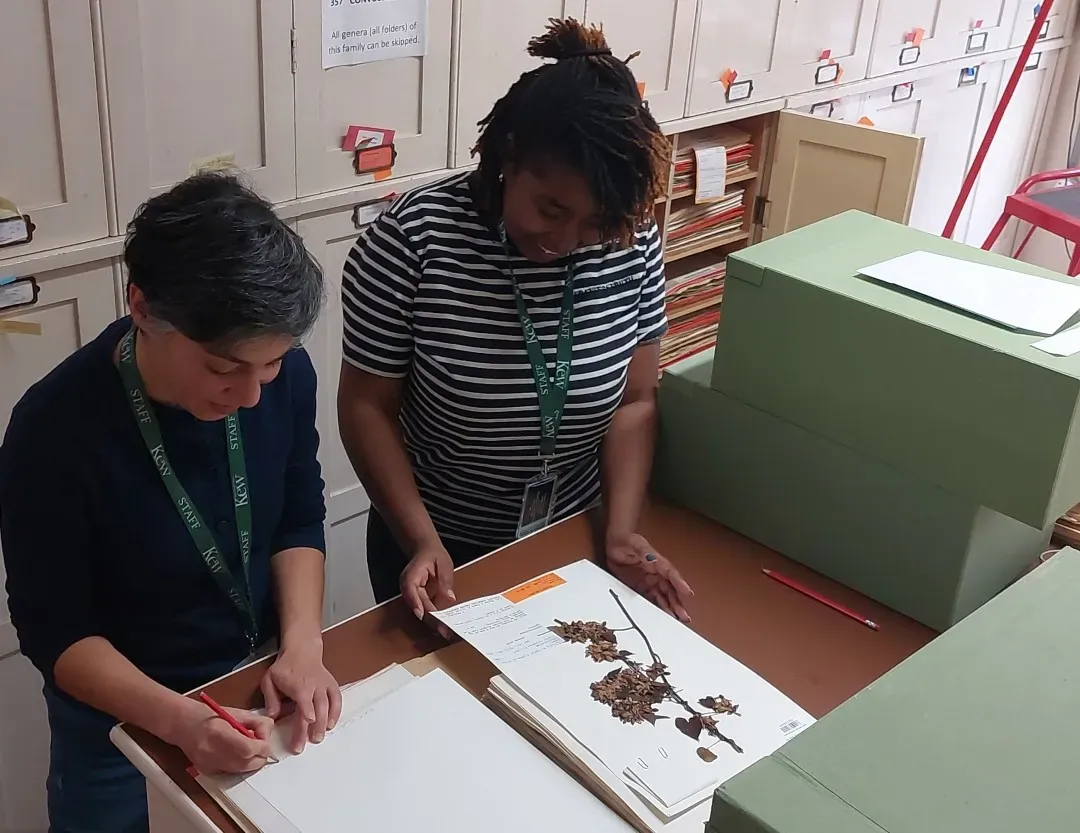
To understand the true extent of the problem, we conducted the first global assessment of plant taxonomy training and capacity.
Two surveys, translated into 12 languages and distributed to over 3,400 institutions, gathered data from 105 countries. The results are detailed in our recent open-access paper.
Key findings:
- In nearly half the countries surveyed (48%), fewer than ten active plant taxonomists were reported.
- Only 18% of taxonomists are employed full-time in taxonomy – most juggle it with other roles.
- Formal training is absent in eight countries, including Botswana, Mauritius and Oman.
- In Africa, digital infrastructure and lab access for taxonomy are especially limited: fewer than half of respondents had computers at work, and only 22% had access to stereomicroscopes.
- Globally, funding (25%) and lack of qualified trainers (22%) were the most cited barriers to expanding training. Demand, however, is not the issue – only 3% cited lack of student interest.
How do we solve the taxonomy crisis?
Our study calls for a targeted, regionally sensitive approach to revitalising plant taxonomy.
Among its key recommendations:
- Strengthen collaboration and knowledge exchange: Build partnerships to share resources and expertise, especially through regional hubs.
- Train the trainers: Support junior taxonomists to pass on skills via peer teaching and mentorship.
- Tackle regional disparities: Develop training adapted to local infrastructure, languages and learner needs.
- Improve access to resources: Invest in herbaria, labs and digital tools; make digital data publicly available, collaborate with data networks, and share duplicates of physical specimens with smaller local institutions, to enrich their collections and help train local specialists.
By diversifying course content and delivery – from online modules to field-based practice – and tailoring it to local contexts, we can ensure the next generation of taxonomists is equipped for the challenges ahead.
Kew’s role in closing the gap
Kew has long recognised the need for building capacity in plant and fungal taxonomy. Since 2015, Kew has delivered an MSc in Plant and Fungal Taxonomy, Diversity and Conservation, and through the generous support of the Bentham-Moxon Trust, we have been able to support a number of students from Africa onto the programme.
Over the years, students from countries including Mozambique, Rwanda, Ghana and Kenya have returned back to their home institutions and are now undertaking taxonomy themselves, as well as supporting the training of new taxonomists locally.
Through the UK Government Chevening Scheme, Kew supports a number of scholars from across the world to join our programmes too. Working with UK embassies in Latin America we have made a number of scholarships available for our programmes in 2026.
As well as supporting postgraduate students on Kew’s MSc programmes, Kew works directly in partnership with a number of global biodiversity institutions and universities. Our Global PhD programme, supports doctoral training overseas, which currently funds three scholarships each year.
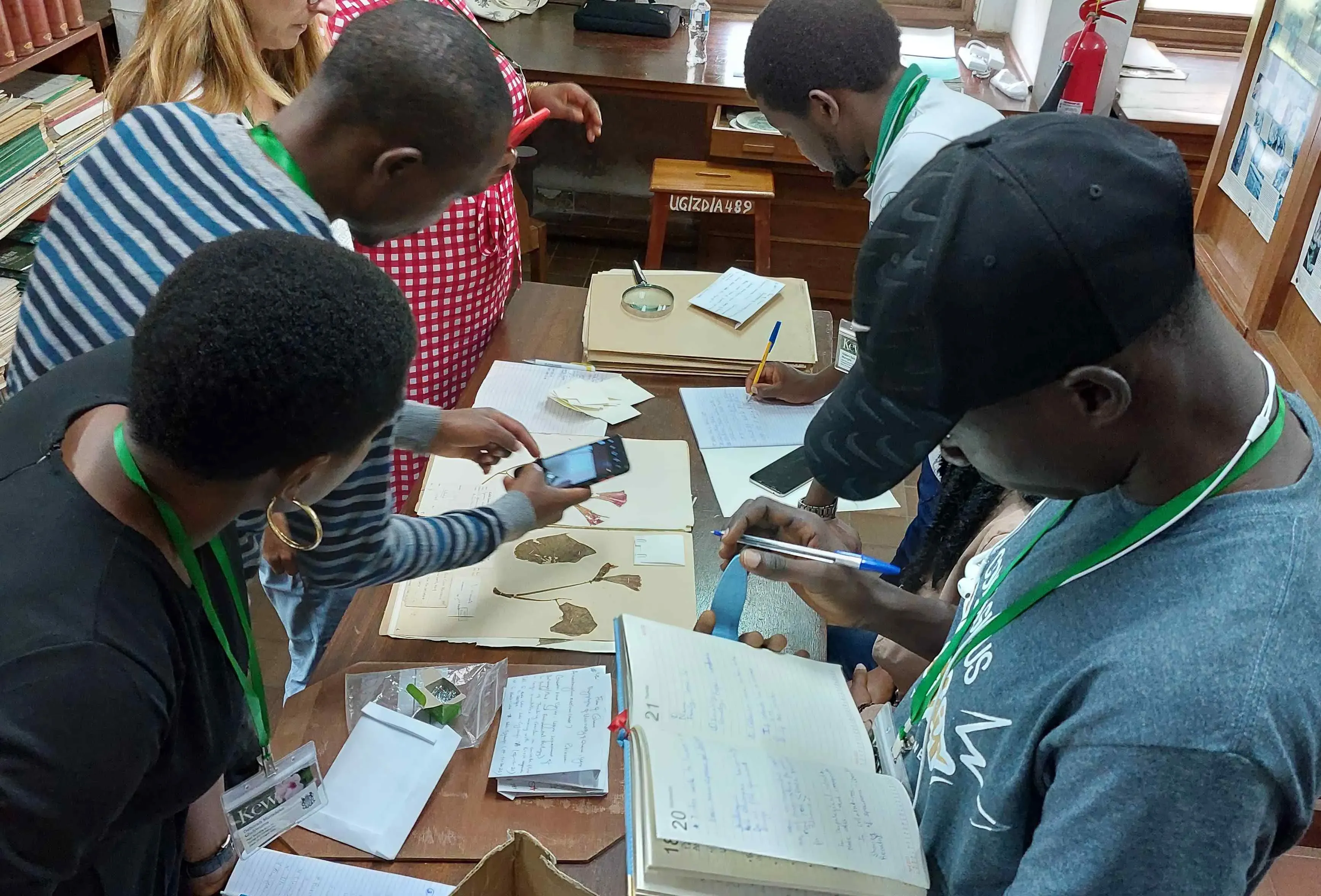
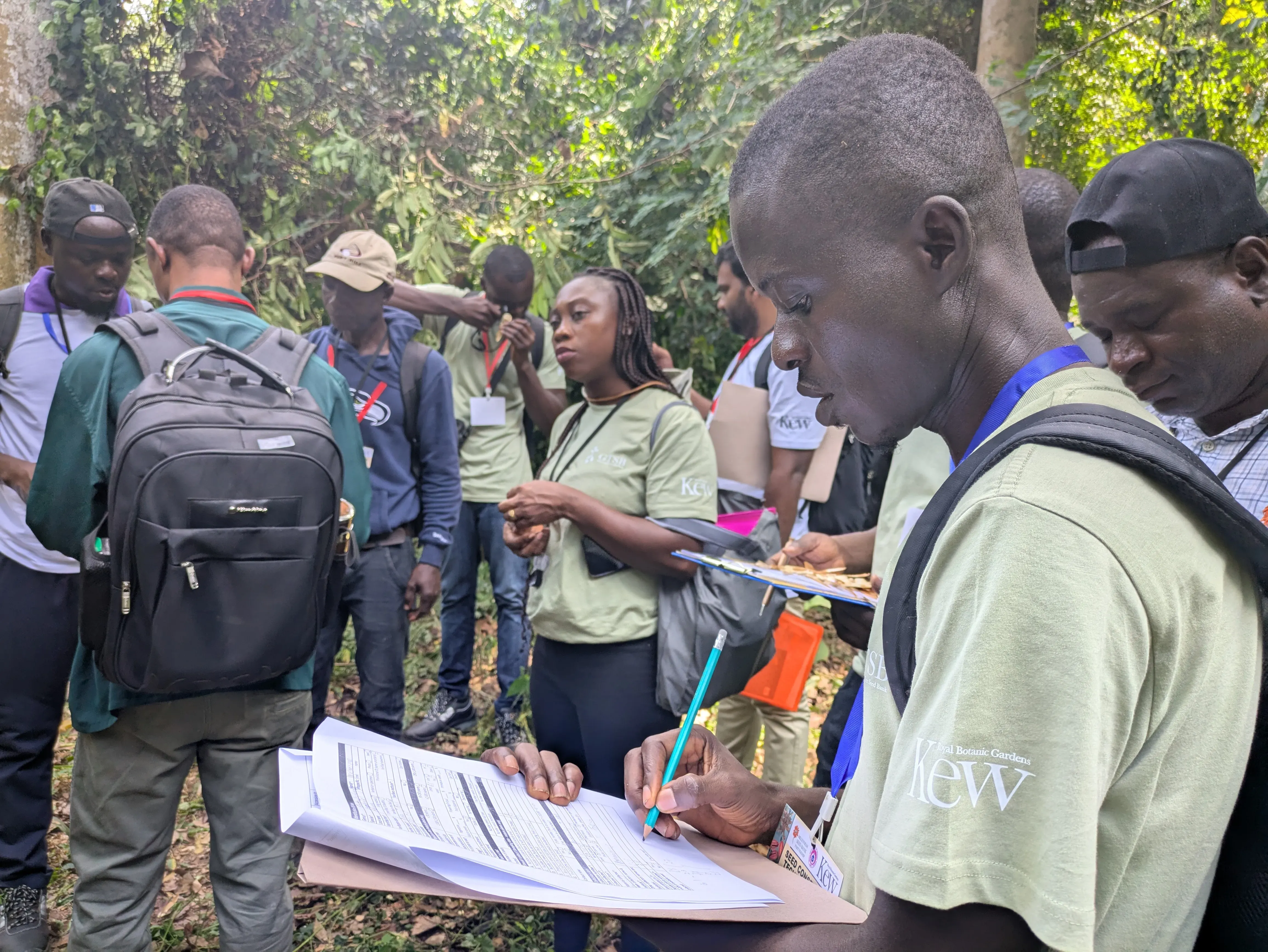
Our short course programme provides training for a wide range of students and professionals pursuing careers across the plant and biodiversity sectors. It also plays a key role in supporting our partners by helping those already working in biodiversity institutes to further develop and enhance their expertise.
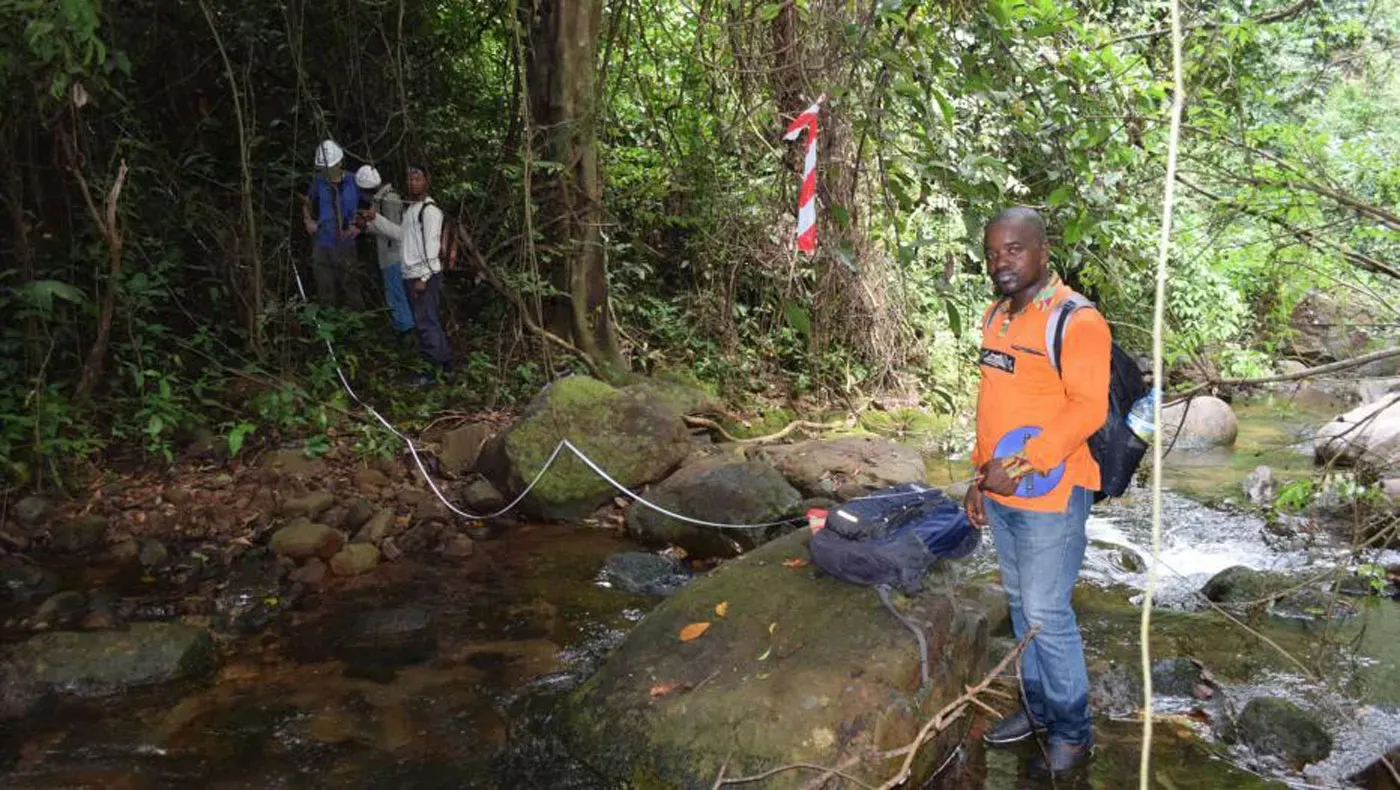
Our Plant Taxonomy Skills for Conservation course welcomes students from across the world, bringing them together for in-person training in regions of the world where biodiversity is most at risk.
These programmes don’t just train individuals, they support the development of local institutions and regional networks, which can then go on to deliver taxonomy and train the next generation of plant and fungal taxonomists themselves.
Learn more about science courses from Kew
No conservation without classification
In a world racing to meet targets like the Global Biodiversity Framework’s 30x30 commitment – protecting 30% of Earth’s land and sea by 2030 – plant taxonomy is not optional. It is the bedrock of conservation, restoration and sustainable use.
This new study gives Kew, our collaborators, and anyone involved in the funding or delivery of taxonomy training worldwide, a clear roadmap for where and how to focus future training efforts.
Now is the time to act. With global collaboration, smarter training models and support for the next generation, we can safeguard the skills that make all other biodiversity science possible.
Read & watch
.png2082.webp?itok=lYHL_dmh "AI and digitisation of herbarium specimens")