22 May 2026
6 min read
What happens when you spend ten years protecting the world’s rarest plants?
Ten years on, Kew’s Tropical Important Plant Areas programme is delivering lasting change for plants and people. We hear from the scientists behind the work and explore key milestones from Guinea.

.jpg5238.webp?itok=gV4Y2G-d "Charlotte Couch")

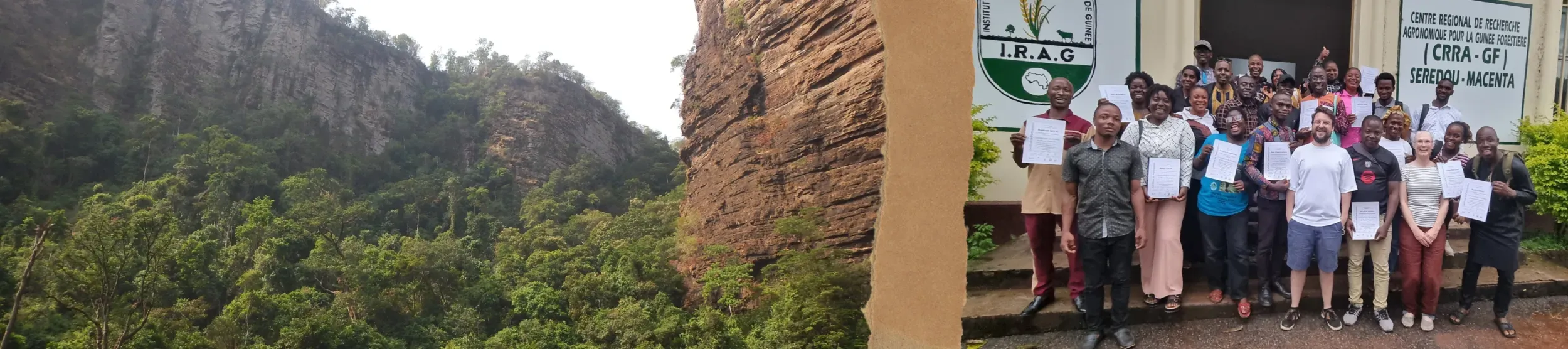
At the heart of our Tropical Important Plant Areas (TIPAs) programme is the identification and protection of plant diversity around the world. But its impact has reached far beyond conservation, with plants acting as a common thread bringing together communities, policymakers, and local scientists.
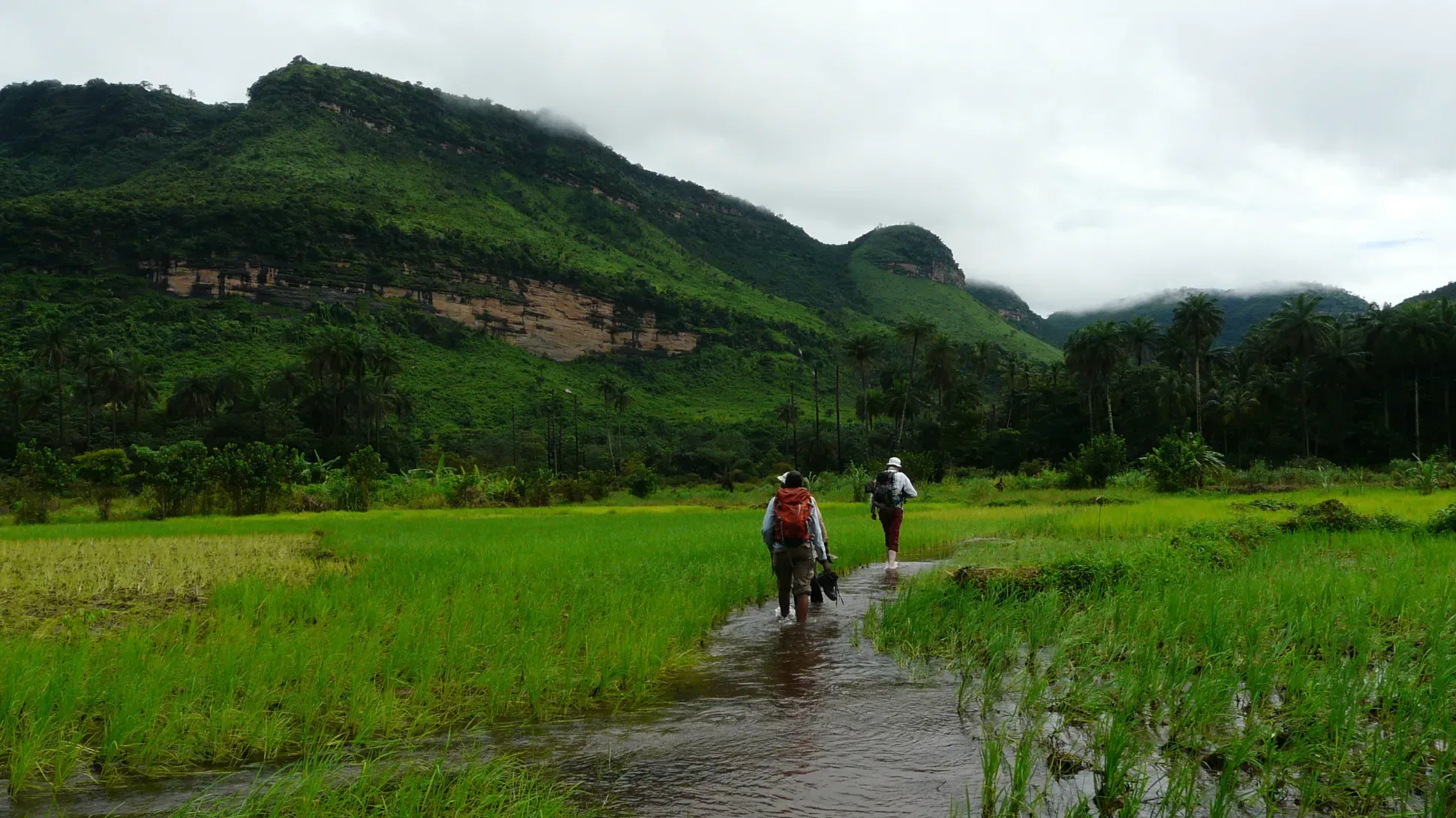
Guinea, boasting a rich range of habitats from mangroves to grasslands, is one of the most biodiverse countries in West Africa. Some of its mountainous areas have been isolated for millions of years, leading to an extraordinary number of plant species that grow nowhere else on Earth – but Guinea’s flora is under threat.
That’s why a decade ago, Kew scientists and long-term partners in Guinea embarked on an ambitious project. As part of Kew’s flagship TIPAs programme, we sought to better understand what is growing in Guinea, which species are especially important and what threats they face.
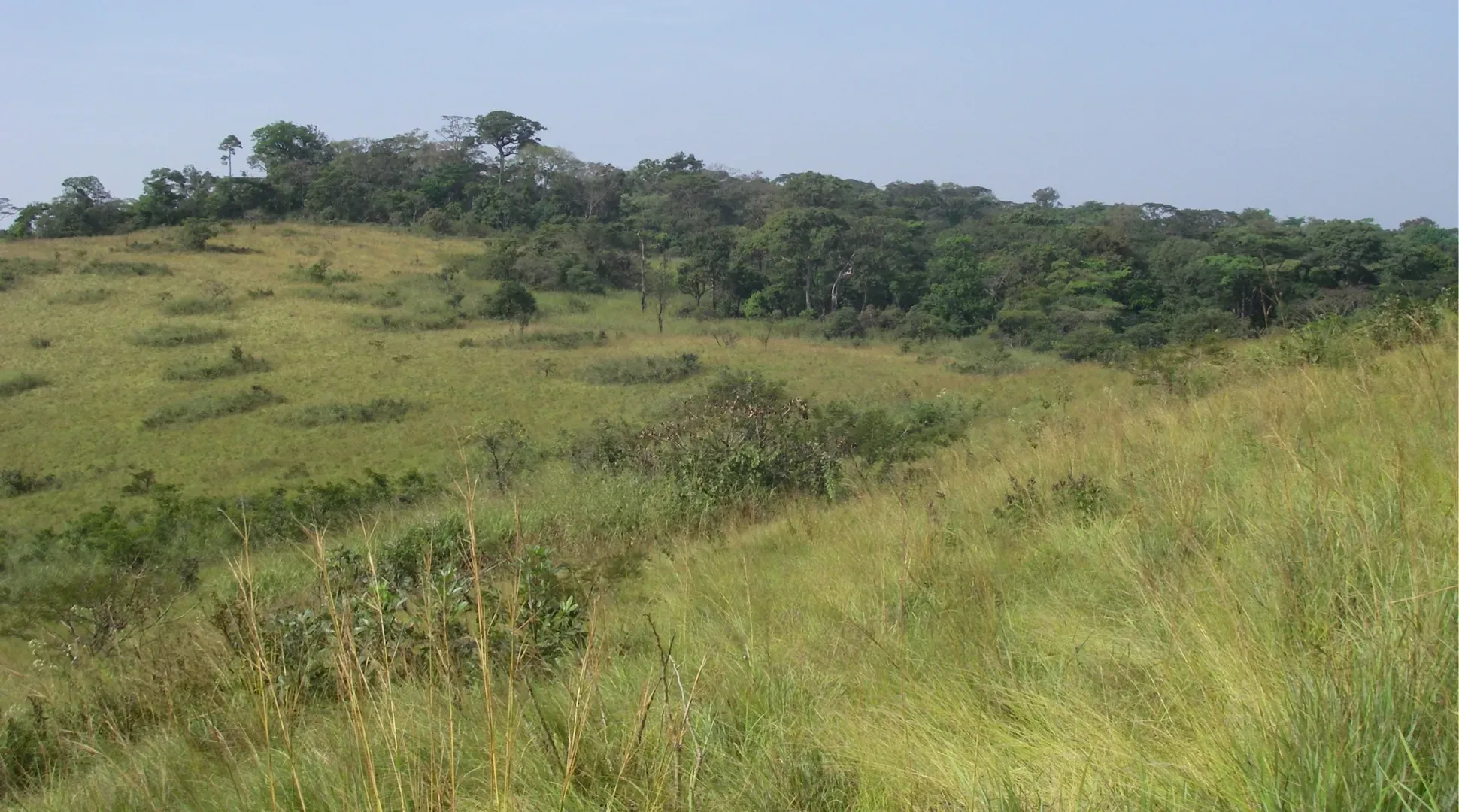
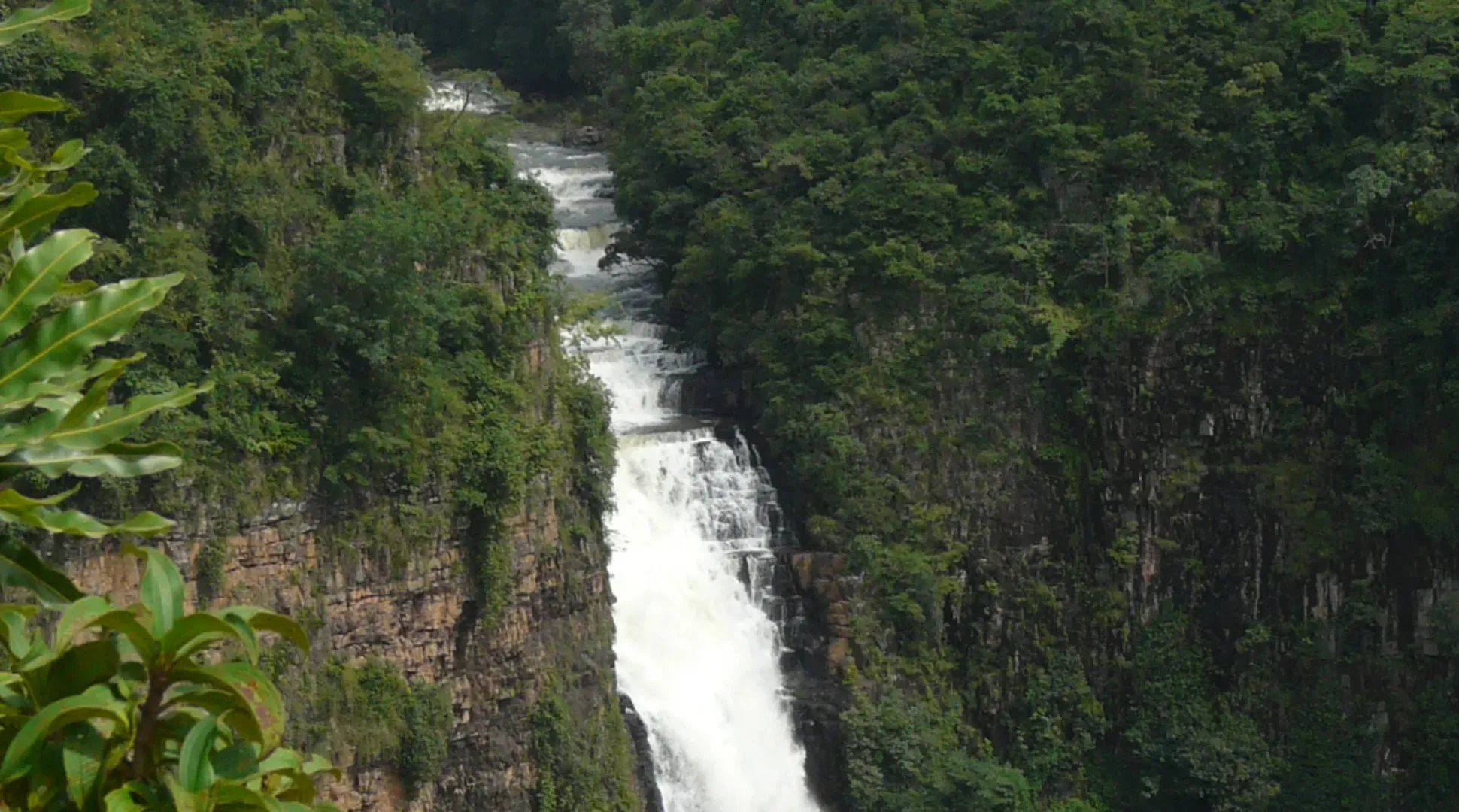
Just three years after launching, the Guinea TIPAs team had identified 22 areas of high conservation value for threatened and unique species and their key habitats, designating them as TIPAs – the first of their kind in Africa. In their search, the team also uncovered 20 species new to science, all of which can be found on Kew’s TIPAs Explorer website.
From research to national policy
This data is feeding directly into on-the-ground actions, as Martin Cheek, the Guinea TIPAs Project Leader, explains: ‘Almost immediately in Guinea, government officials at the Office of National Parks and Reserves declared they would implement legislation to integrate the 22 TIPAs into the National Protected Area network – a very important step for ensuring the country’s plant life is formally recognised and protected.’
The ambition in Guinea goes much further than that, however. Kew is working long-term with partners to ensure a lasting TIPAs legacy, seeking to equip people of every background, age and level of expertise with the skills and inspiration they need to embed positive change. As Martin puts it: ‘It’s not just one isolated initiative that makes change happen. It’s like turning a tanker around, but with everyone involved, we can do that.’
A decade ago, there was very little detailed information or botanical infrastructure in Guinea, and no national herbarium. But now, TIPAs Guinea stands as one of Kew’s most mature and successful collaborative projects.
‘Ultimately’, says Dr Iain Darbyshire, a Kew Research Leader who coordinates Kew’s TIPAs programme, ‘we hope to build capacity and appetite for biodiversity protection across the tropics – a front line in global efforts to protect Earth’s most precious ecosystems’.
Training future botanists
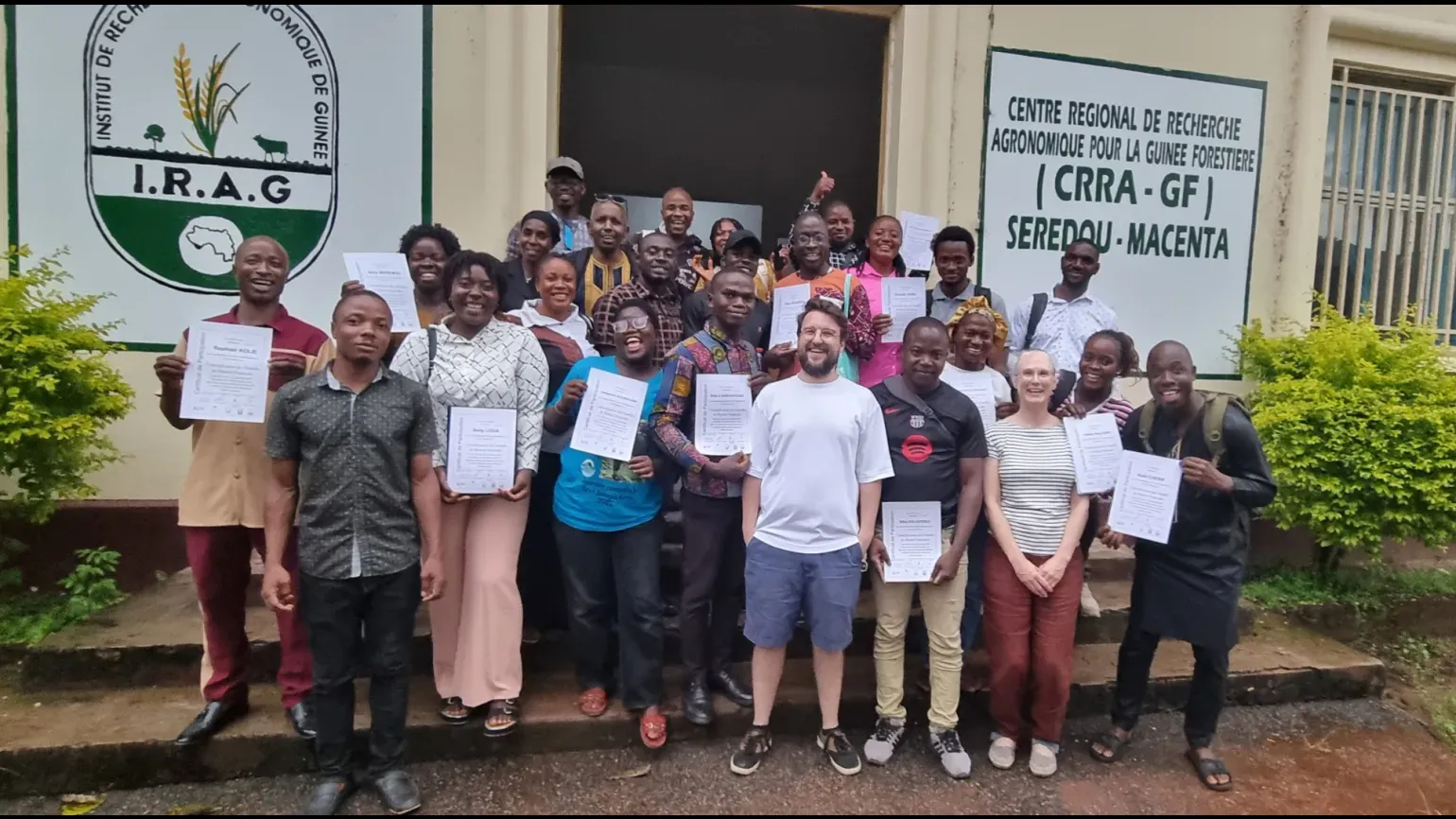
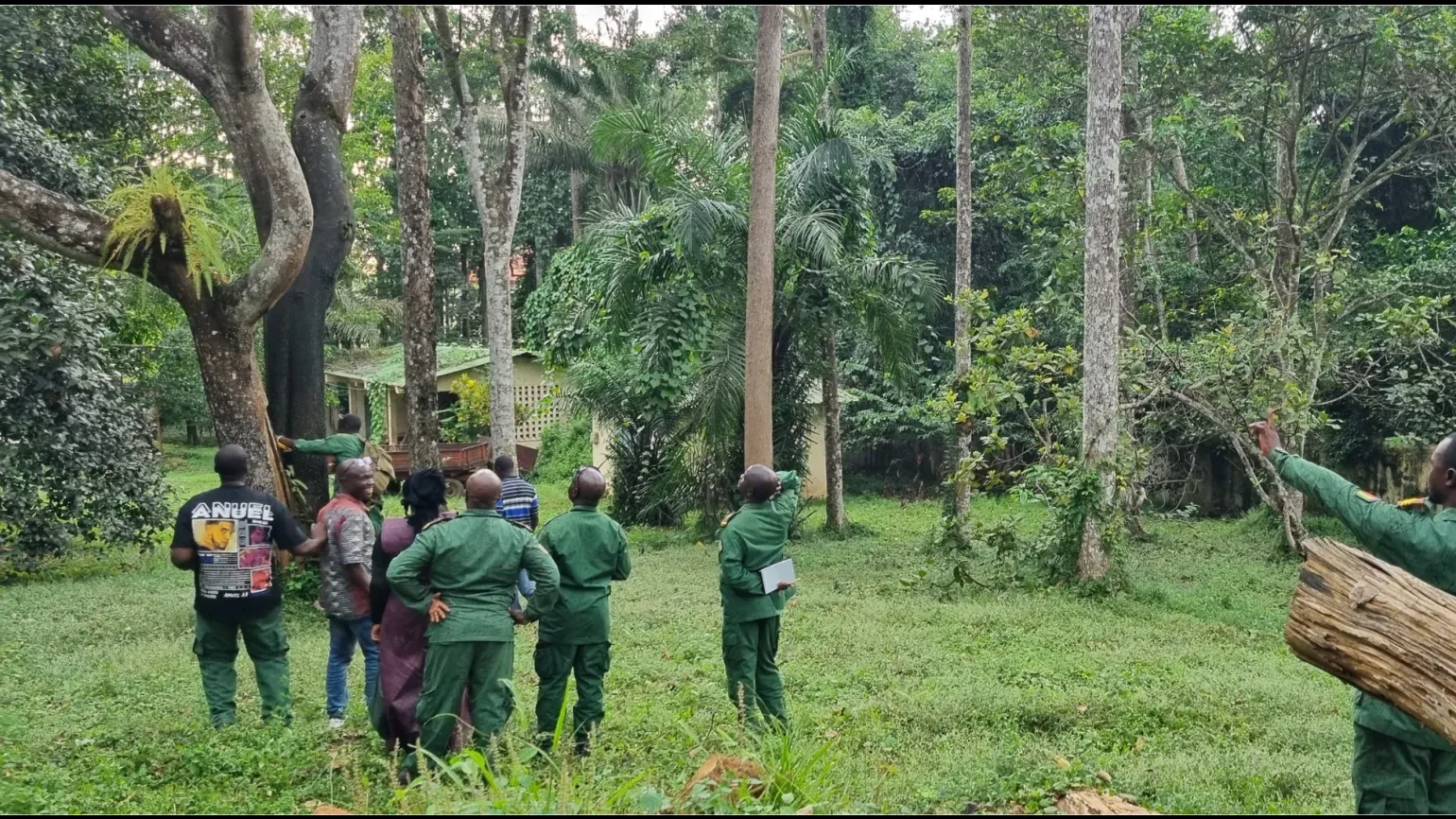
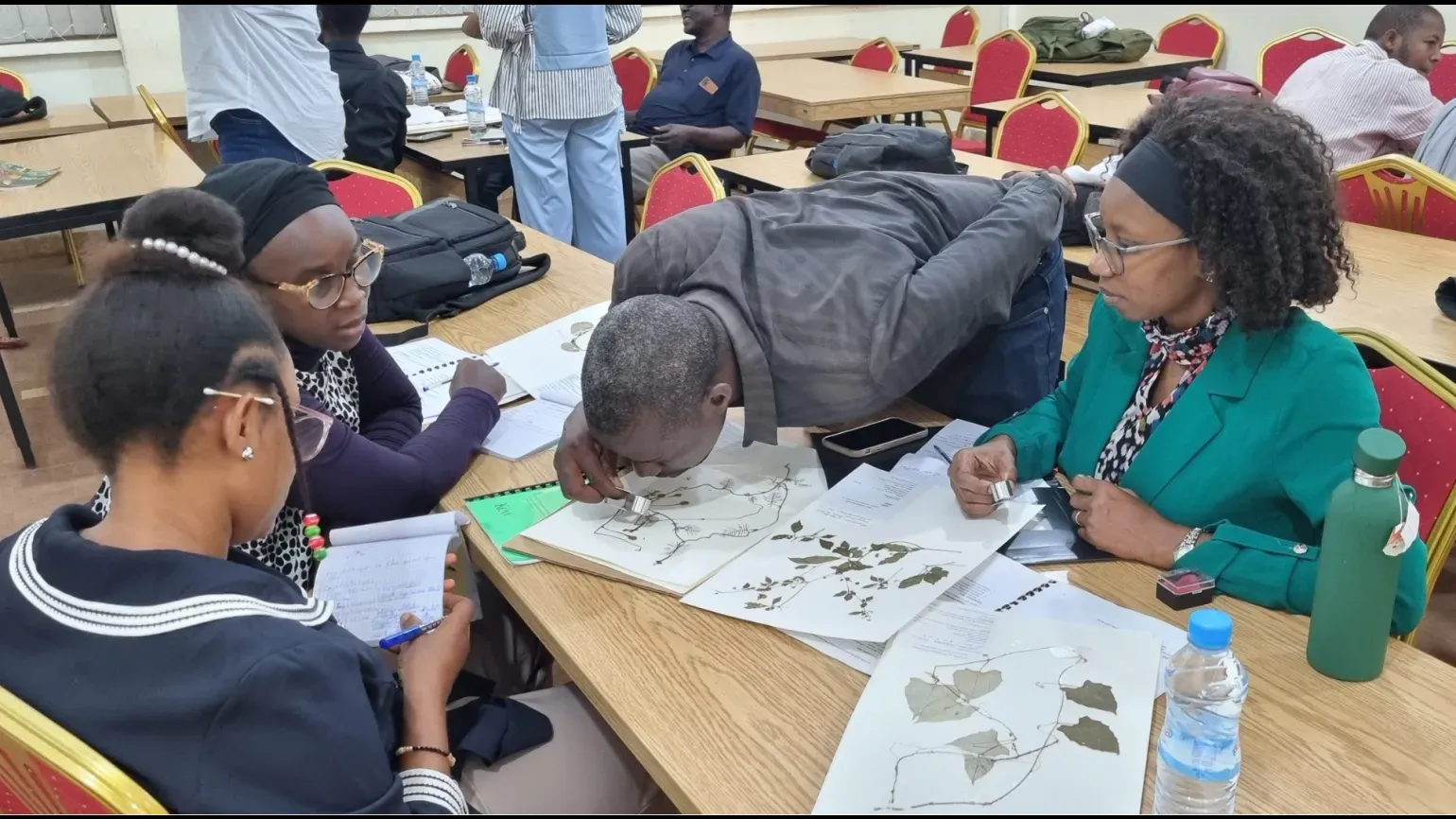
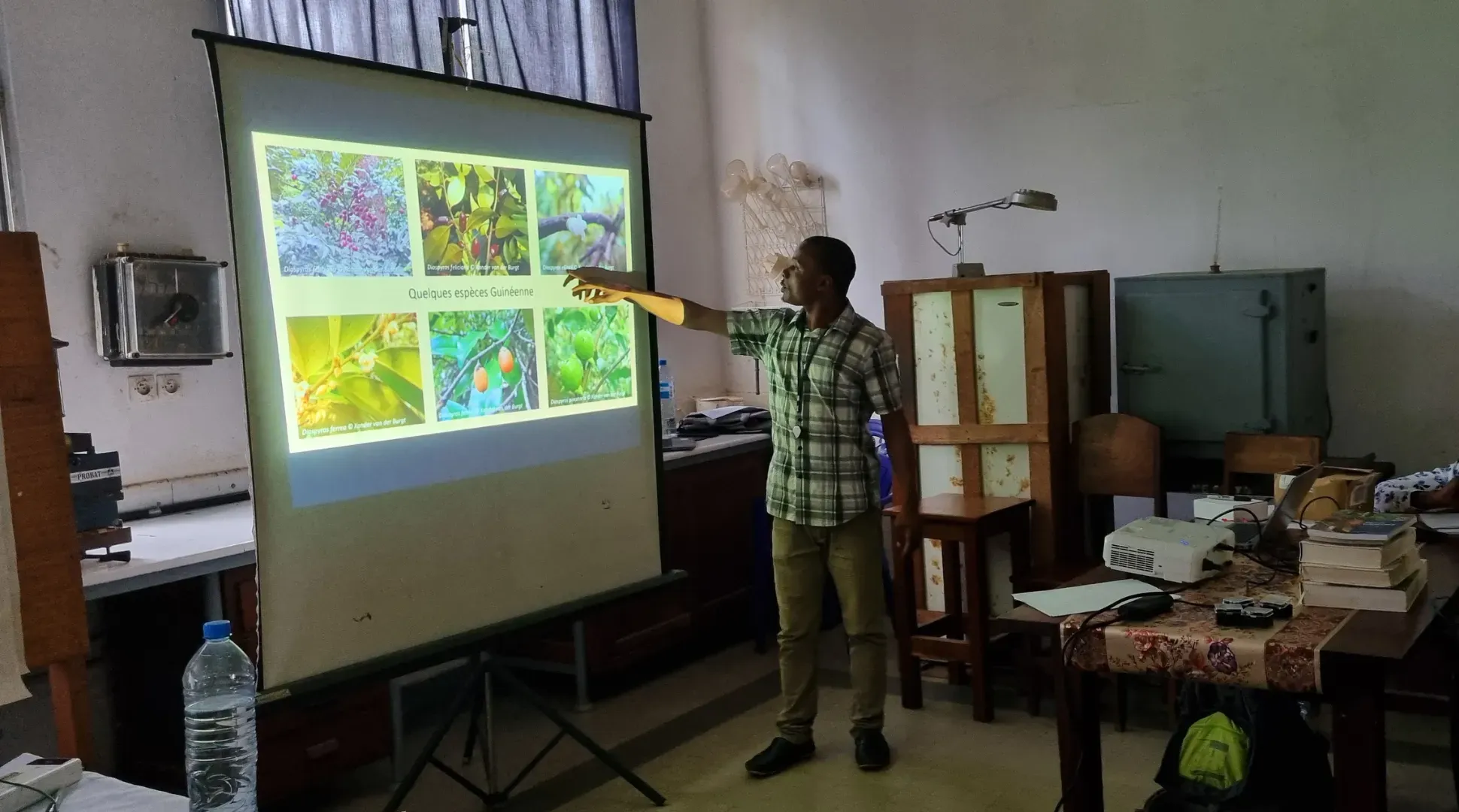
‘It’s an enormous group effort,’ adds Charlotte Couch – a Kew West Africa Research Associate – and education is key. ‘We’ve been running courses with partners across the country for years now,’ says Charlotte. ‘We train university students alongside people who are close to this work and in most need of these skills – such as national parks officers – taking participants into the field, so it’s really hands-on.’
Previously, there were very few plant identification and taxonomy skills courses available to budding plant researchers and conservationists in Guinea. ‘It is a strong indicator of the success of our work that we now have such huge demand for the courses that Kew and our partners offer,’ Charlotte adds.
Sparking curiosity in the classroom
Along with partner Guinée Ecologie, Kew also delivers an environmental education programme for school children across the country. Thirty schools are involved, each of them in the buffer zone of a designated TIPA, with more in the pipeline.
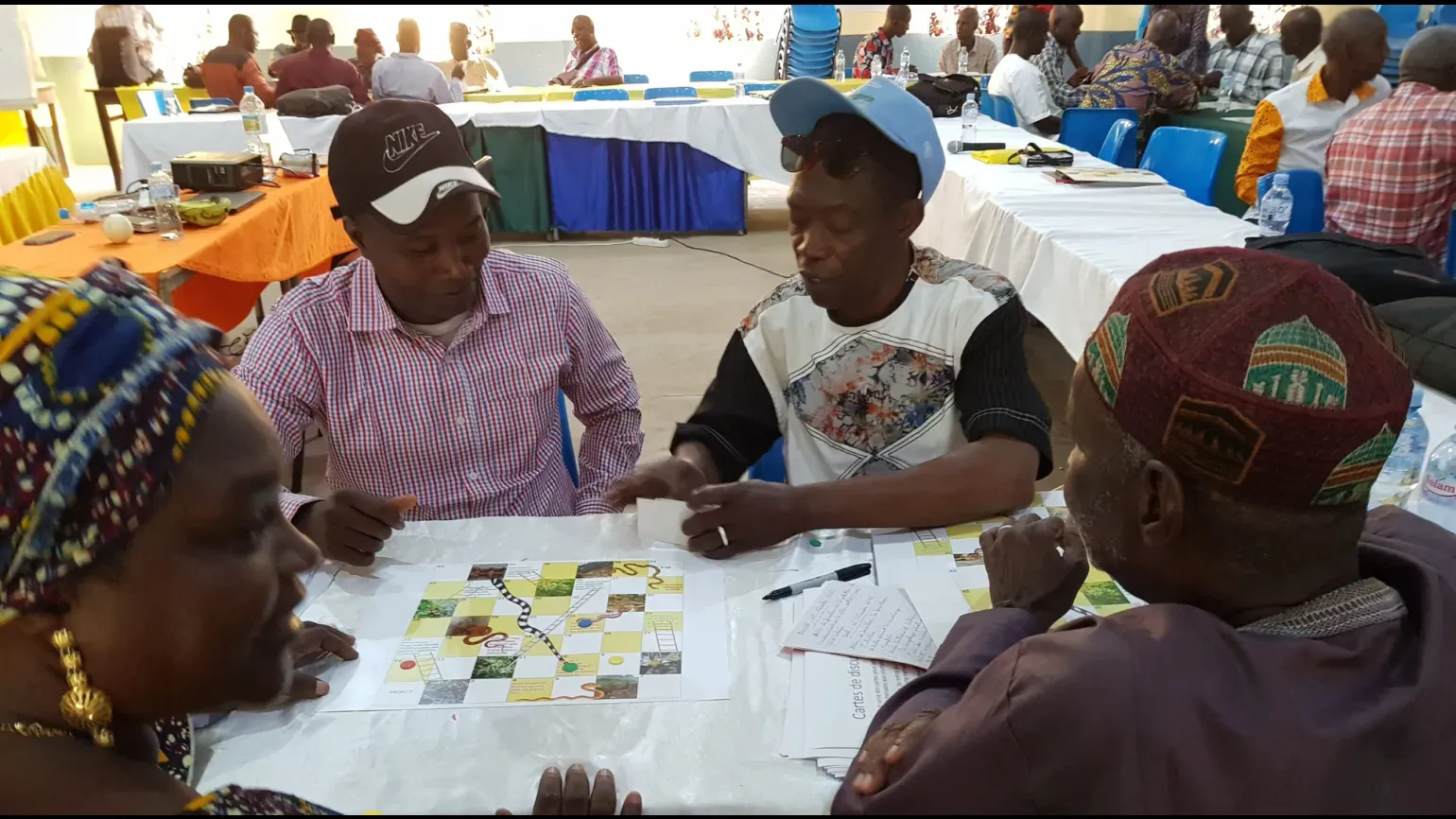
‘We’ve developed lovely ways to engage children, with nature walks, quizzes and games,’ says Charlotte. ‘The students get really impassioned and it’s a lot of fun. We developed a curriculum-aligned teaching booklet and awareness posters that bring local threatened species to people’s attention, empowering young people to look more closely at the natural world around them and to know there are small things that make a difference, such as not littering. The results are really encouraging. Botanical education is now being seen not just as “nice to have”, but as integrated, linked to the students’ wider studies and holistic development.’
Rediscovering a rare antimalarial plant
A rare woody vine, Habropetalum dawei, was rediscovered in Sierra Leone after more than 50 years by Kew’s Vida Svahnstrom and Professor Aiah Lebbie of the University of Sierra Leone and Njala University. For local Mende and Vai communities, this was more than a scientific breakthrough.
The plant has long been part of everyday life, used for rope-making and traditional fishing practices, and remains deeply embedded in cultural knowledge. Its rediscovery also carries global significance: H. dawei contains Habropetaline A, a compound used in developing new antimalarial drugs. Based on these findings, the site where it was found has now been designated a TIPA, bringing together village chiefs, elders and local communities to safeguard the species and its habitat for the future.
Plant nurseries and community livelihood
Alongside this, Charlotte and partners have been helping to establish and develop community nurseries, with 20 in operation so far. ‘The community nurseries grow and then plant out threatened trees and socioeconomically important plants,’ explains Charlotte.
‘They have become key social spaces, where people share facilities and ideas. As part of our environmental education programme, we also offer training in propagation skills and rural economics. In addition, we foster adjacent activities that help local people to diversify income and enhance resilience during less abundant times, including soap-making, market gardening and beekeeping.’
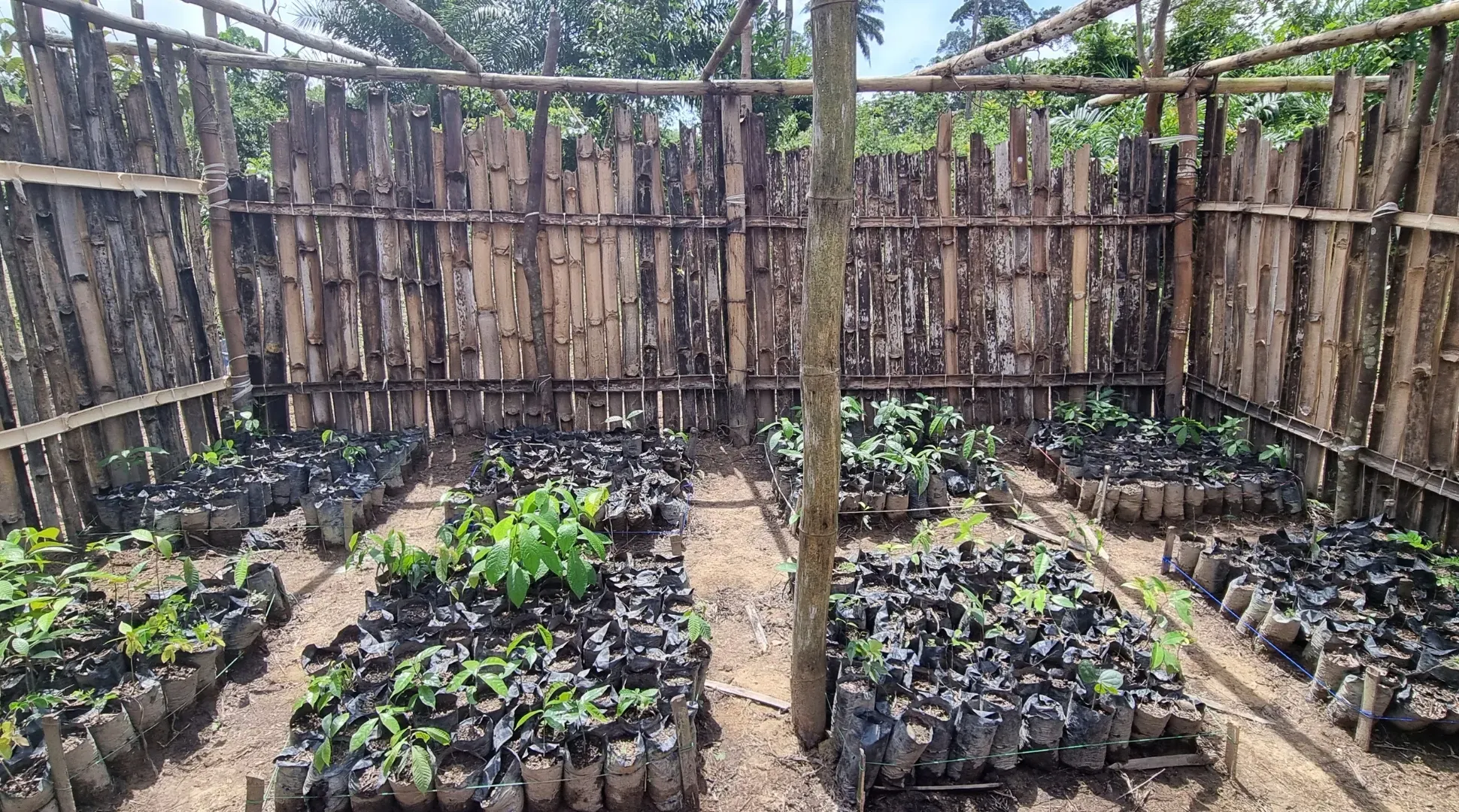
Many of the community nursery groups now have legal status and bank accounts, which helps secure their future, enabling them to sell surplus important plants and redistribute the income to the community group. The interaction between local forestry officers with community groups is helping reduce conflict between them and improve protection of these TIPAs.
Where do we go from here?
The first decade of TIPAs may have drawn to a close – but the work has only just begun for most areas.
For the next phase, TIPAs plans to scale-up the identification of Important Plant Areas by using improved data on where plants are, and which species are at risk of extinction. These areas will be used to target conservation efforts, bringing together scientists and local partners, and to push for stronger governmental protection of these areas.
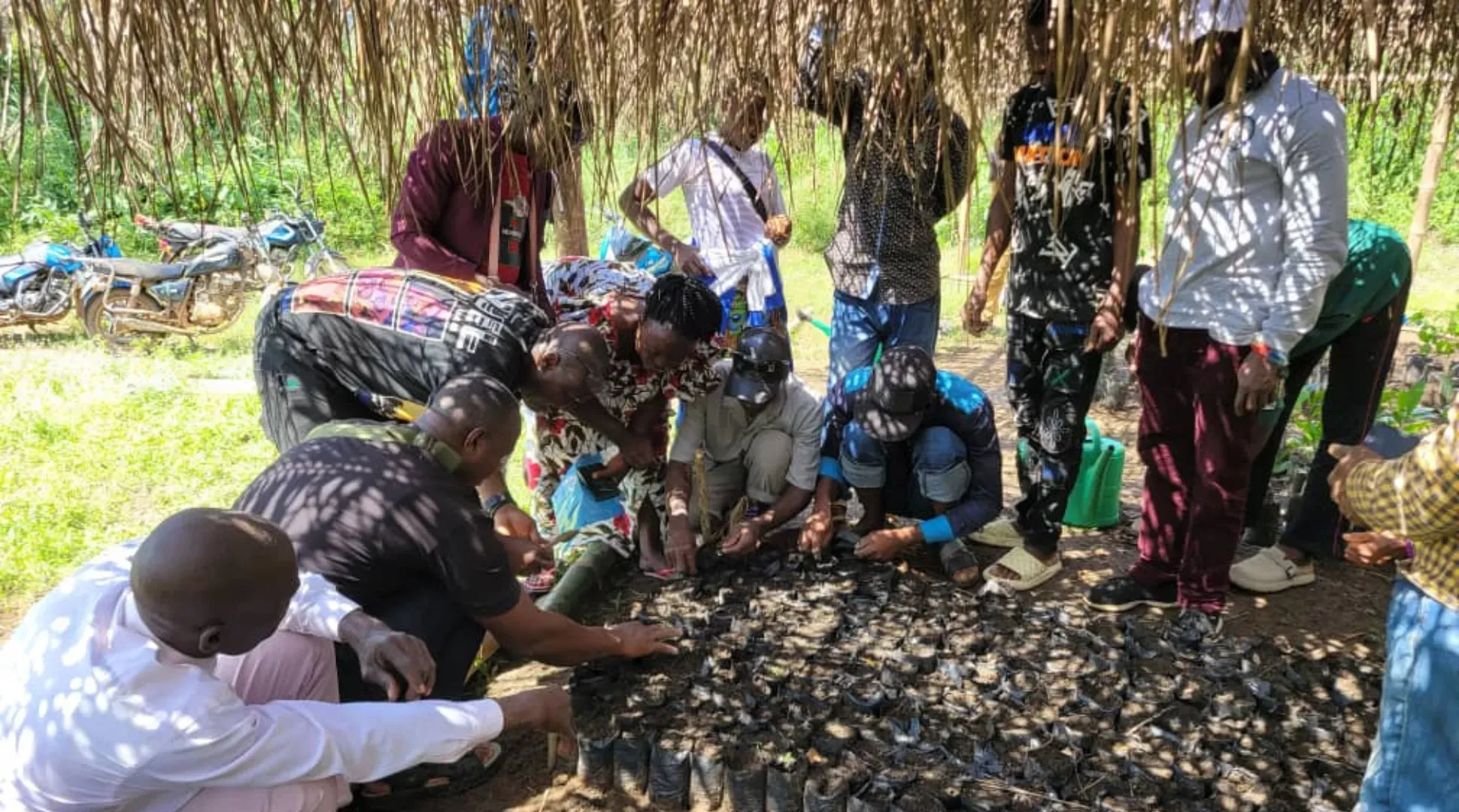
In Guinea, the focus will be on the Guinée forestière region, working together with local communities. Activities will include restoring TIPAs through reforestation, testing agroforestry methods, promoting sustainable harvesting, and helping increase incomes from non-timber forest products, alongside expanded environmental education and outreach.
Charlotte Couch and colleagues have also begun working with partners such as the Wild Chimpanzee Foundation to initiate research in under-surveyed areas to see if they could qualify as TIPAs.
As Iain Darbyshire explains, ‘The first 10 years of the TIPAs programme have demonstrated not only that it is achievable to identify priority sites in some of the biodiverse countries in the tropics, but that documenting these sites and the ranges of species and habitats they contain can influence policy and result in significant conservation outcomes that will hopefully safeguard plant diversity for future generations.’ It is a clear demonstration of what can be achieved — and a reminder that, with continued effort, collaboration, and investment, there is still much more to come.
Want more science stories like this?
Get our latest science stories straight to your inbox by signing up to our free newsletter.