8 January 2026
11 min read
Kew's top 10 new species of 2025
Kew's scientists and international partners share their favourite species named as new to science in another big year for nature.


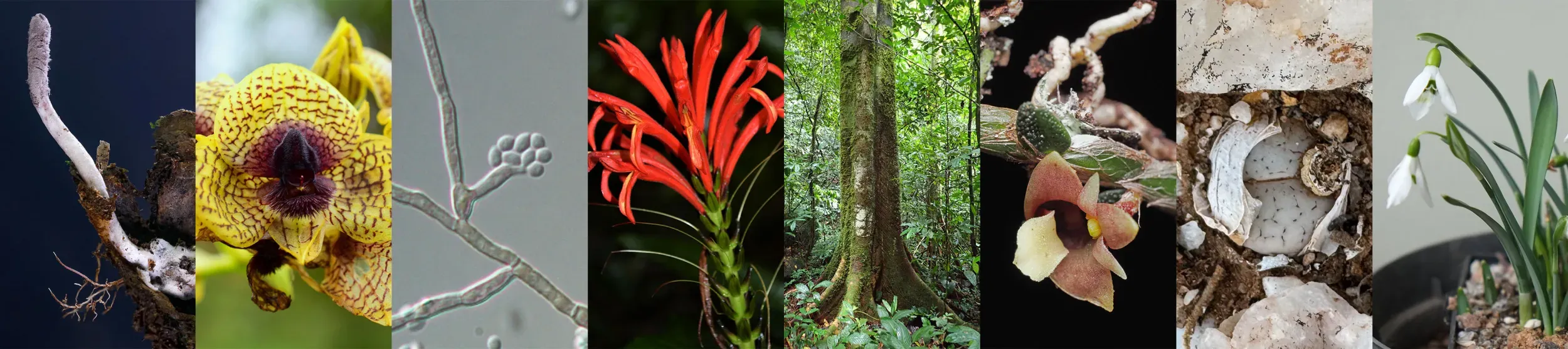
In the past 12 months, our taxonomists and our collaborators around the world have named 125 plants and 65 fungi as new to science!
Among these new species are a terrifying ‘zombie’ fungus that parasitises trapdoor spiders in Brazil’s Atlantic Forest, a Critically Endangered ‘bloodstained’ orchid from Ecuador, and a strange new species of snowdrop described from North Macedonia and Kosovo.
We saw the naming of a beautiful red Aphelandra after a character from the animated classic, Howl’s Moving Castle, while six new orchids were described from Indonesian New Guinea and Maluku, and in China a new species of fungus was described from the roots of grass.
Among the excitement, the reality is that many of these exciting new species also arrive threatened with extinction, with one of them perhaps already extinct in its native habitat - as is believed to be the case for Cryptacanthus ebo from the Ebo forest, Cameroon.
Our scientists will be collaborating with our expert partners to protect these species and the habitats they live in, wherever possible, through incorporating them into a network of Important Plant Areas (IPAs), conserving their seeds at national seed banks and Kew’s Millennium Seed Bank at Wakehurst, collecting plants for protection outside of their habitat by expert horticulturists, and through the diverse initiatives our partners lead in their countries.
It's been another big year for plant taxonomy, and here comes the 2025 Top 10 list of wonderful species described!
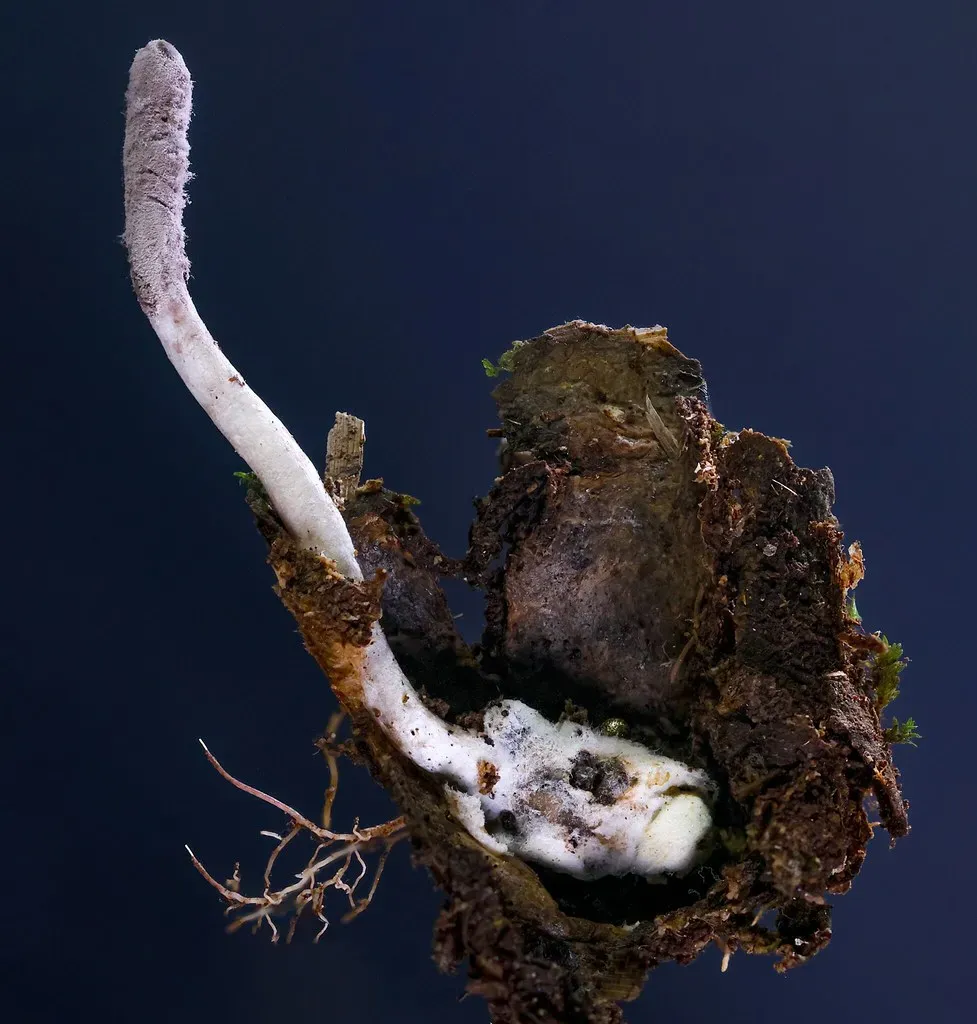
1. A gruesome spider-killing fungus from Brazil
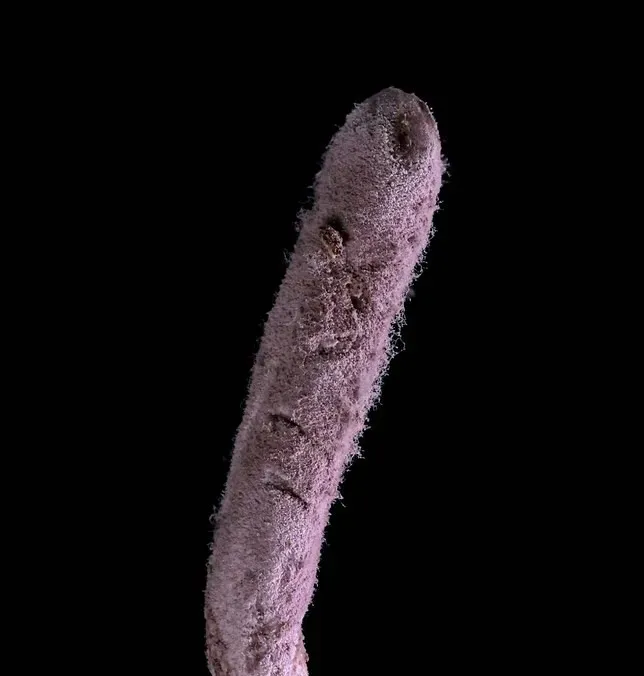
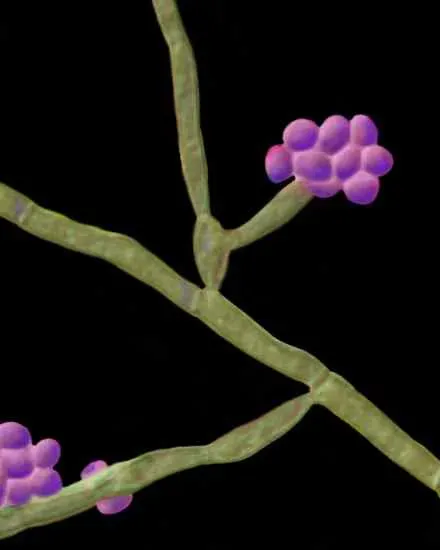
This newest member of the fungal kingdom belongs to a group of entomopathogenic fungi that parasitise other organisms and are colloquially known as zombie fungi. Purpureocillium atlanticum is a spider-eating fungus from the Atlantic rainforest of Brazil collected in November 2022.
The fungus infects trapdoor spiders buried in the forest floor inside their burrows, covering the spider almost completely with soft, cotton-white mycelium. From the corpse, an up-to-2-cm-long fruiting body emerges, passes through the trapdoor hole and is held above the ground to release its spores and continue the cycle.
To unravel how this grisly strategy evolved, the team turned to cutting-edge genome technology. Using a portable method of DNA sequencing called Oxford Nanopore sequencing, the fungus’s genetic blueprint was decoded in the field with minimal laboratory infrastructure. This approach delivers data faster and lets scientists capture complete genomes and identify hidden microbial partners on site, accelerating the identification of species and our understanding of nature.
The study was led by Dr Joao Araujo, an Honorary Research Associate (HRA) at Kew and Curator of Fungi and Assistant Professor at the University of Copenhagen, and Kew’s Executive Director of Science Prof. Alex Antonelli. The DNA sequencing and analysis was carried out by Dr Oscar Alejandro Pérez-Escobar, Research Leader at Kew and Dr Natalia Przelomska, Kew HRA and lecturer at the University of Portsmouth.
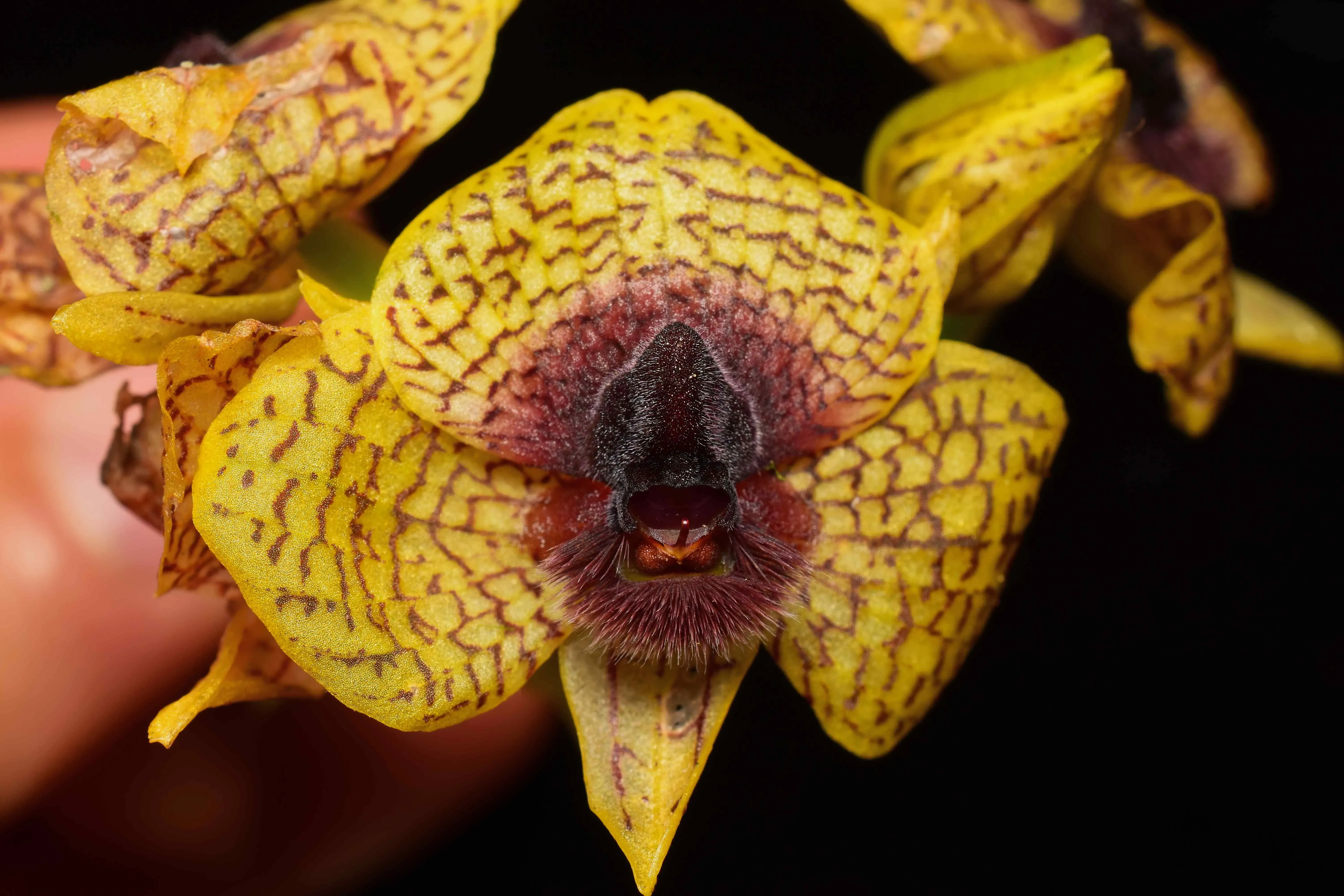
2. The bloodstained orchid growing on tree daisies in Ecuador
Telipogon cruentilabrum is a new species of orchid from the high Andean forests of Cotopaxi, Ecuador. Named for the bloodstained lip of the flower, the species grows epiphytically (on top of another plant without causing harm to it), on tree daisies, about 1.5 to 3 m above the ground. Its showy yellow, red-veined flowers can measure 3.8 cm across and, as other Telipogon species, its flowers mimic female flies to attract sexually aroused males for pollination.
Sadly, more than half of this species’ habitat has already been cleared, and tree clearance continues due to mining and agriculture. As such, it has already been assessed as Endangered. There are about 250 known species of Telipogon, all in South and Central America and the Caribbean. They are notoriously difficult to cultivate, and species can only be identified when in flower.
Telipogon cruentilabrum is one of four new rare and spectacular Telipogon species described in 2025 by Dr Carlos Martel, Research Fellow at Kew and his Peruvian and Ecuadorian colleagues, including Gabriel Iturralde from the Universidad de Las Américas.
3. The fire demon flower of Peru
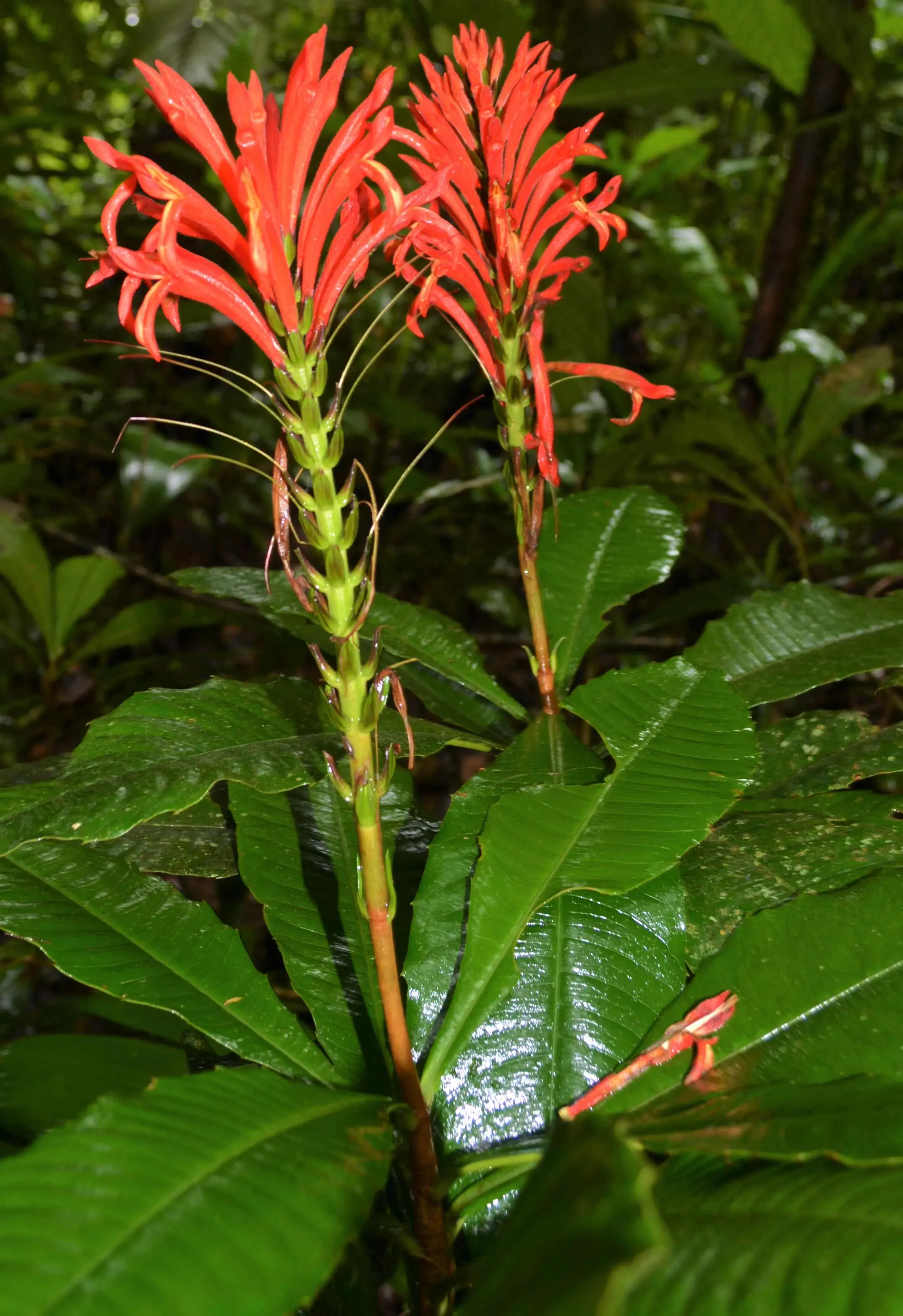
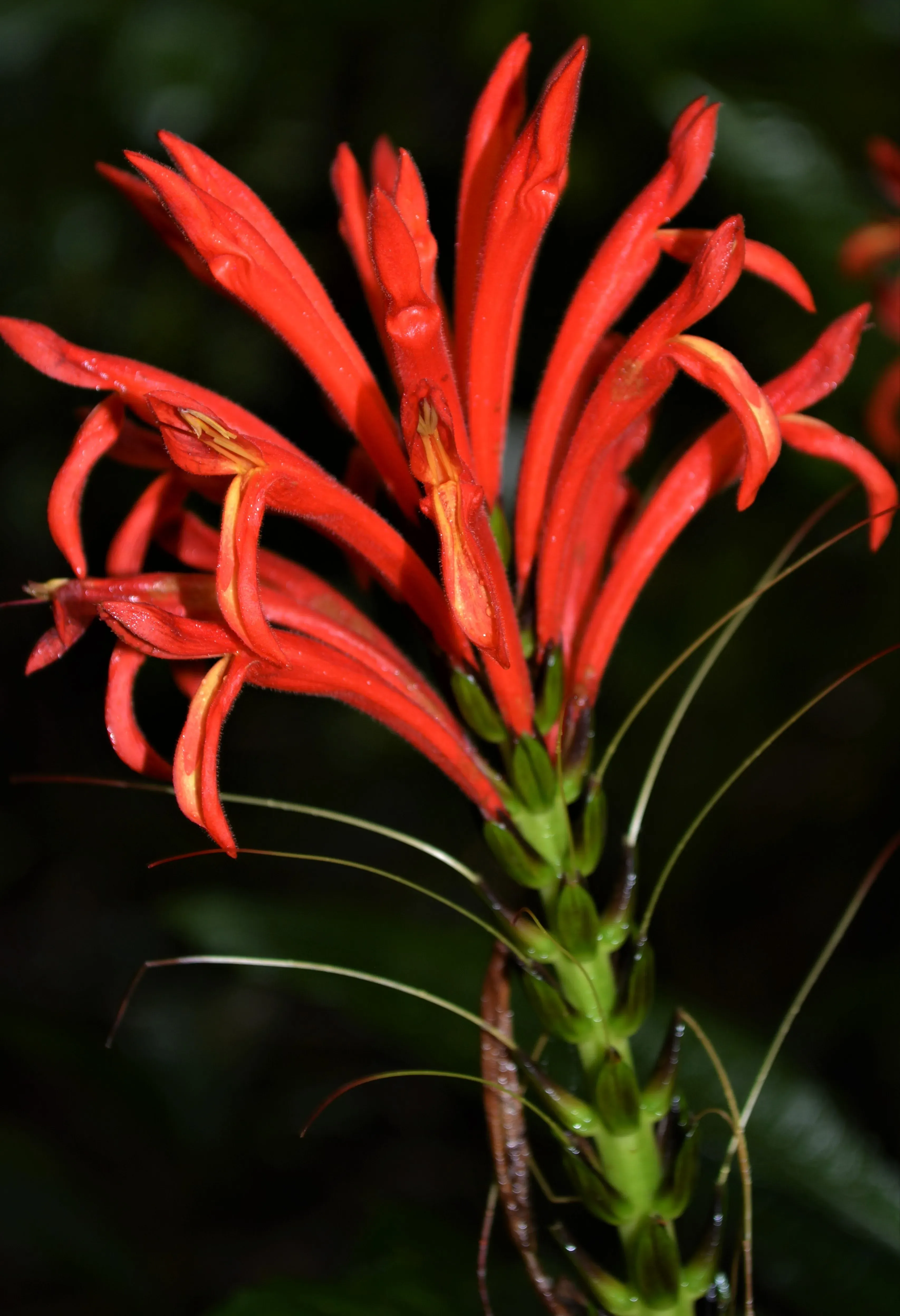
Thanks to its flame-like bright orange-red and yellow flowers, this 3m tall forest acanth shrub was named after Calcifer, the fire demon in the cult 2004 Hayao Miyazaki film Howl’s Moving Castle. As such, Kew’s scientists think Aphelandra calciferi has great potential as a conservatory ornamental plant.
It is one of two new species from Peru published in a paper by the Peruvian-UK author team of Villanueva-Espinoza and Wood. John Wood, an Honorary Research Fellow on Kew’s Americas team is this year’s most prolific publisher of new species at Kew, with a total of 25 descriptions in 2025.
4. Not to be taken for granite: A new subspecies of ‘living stone’ from savannah woodland in Namibia
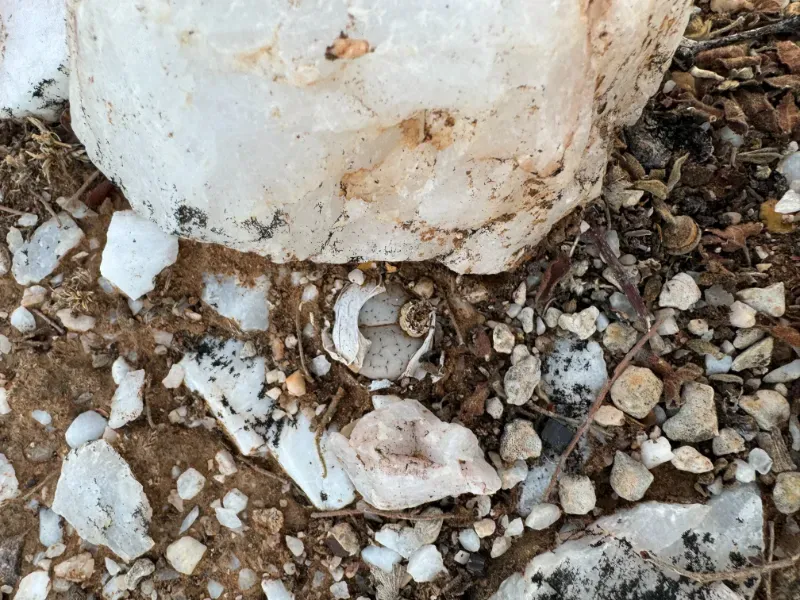
Lithops gracilidelineata subsp. mopane is a new subspecies of lithops or ‘living stones’, a group of plants famous for their stone-like camouflage. Although at first glance, they appear to be no more than a pebble, lithops are succulents with a single pair of leaves that admit light though an upper ‘window’ into the internal photosynthetic surfaces. The plants bear a single, daisy-like flower.
The 38 known species are confined to the arid regions of Namibia and South Africa, though some are found in Botswana. However, the new ‘mopane lithops’ differs from all others in being limited to a higher rainfall area with ‘mopane’ woodland. It also differs from similar subspecies in having smooth, whitish grey leaf surface rather than a sculptured appearance and a cream or brownish pink colour.
Lithops are popular in cultivation but illegal over-collection from the wild to supply this market is driving species to extinction. Several species have been assessed as Endangered or Vulnerable to Extinction.
The study was led by Dr Sebastian Hatt, Research Fellow at Kew, with colleagues Prof. Gillian Maggs-Kölling and Natanael Ndilenga from Gobabeb Namib Research Institute, Dr Sonja Loots from the Namibian National Botanical Research Institute, and Prof. Olwen Grace from Royal Botanic Garden Edinburgh.
5. A beautiful new snowdrop from Mt Korab, the Balkans
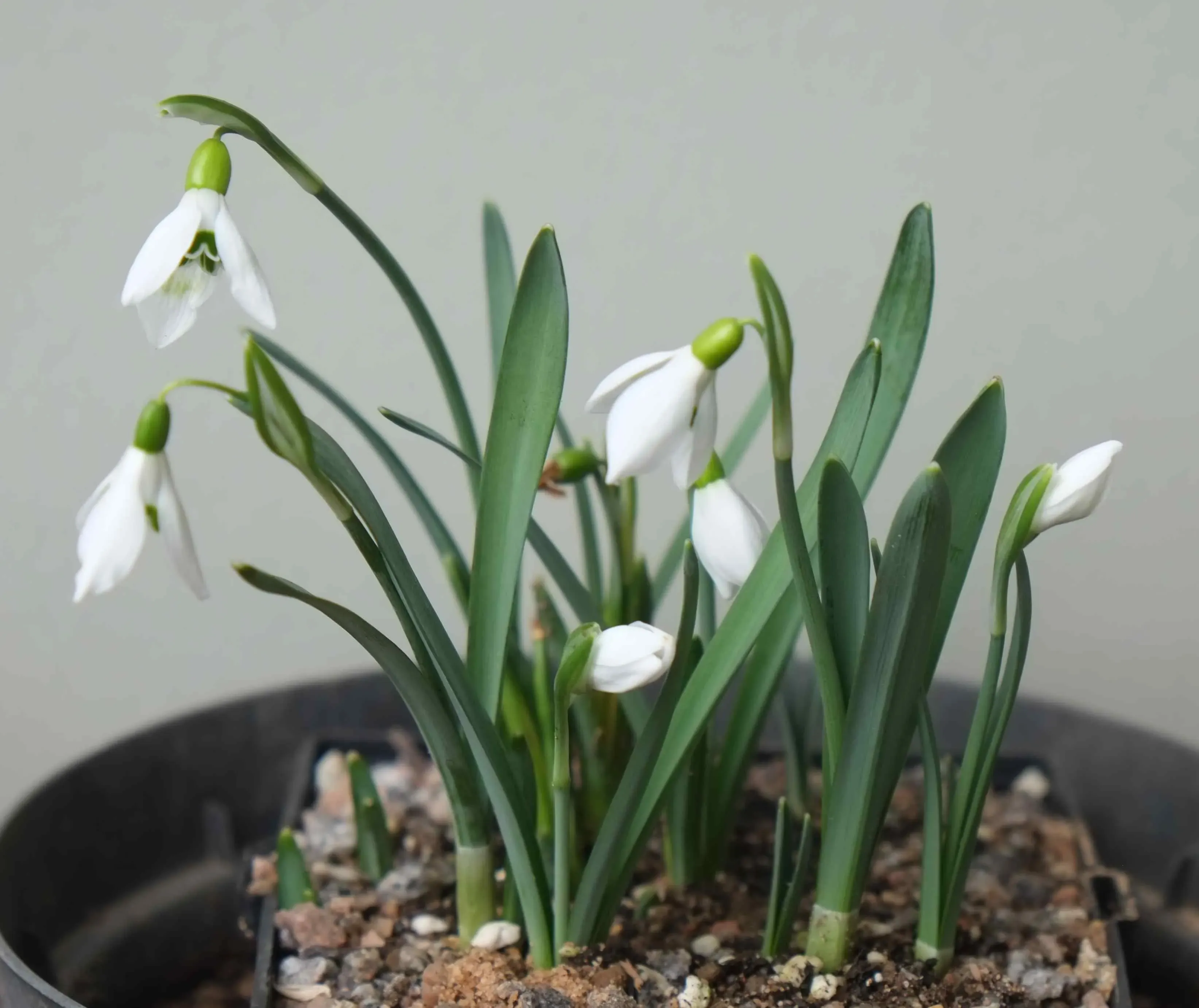
Although already found in cultivation here in the UK, this unusual species of snowdrop did not appear to match any known species. Scientists investigating this mystery traced its origin to the subalpine grasslands of Mt Korab in northern Macedonia and Kosovo.
Now officially named Galanthus subalpinus, its flowers closely resemble the common snowdrop G. nivalis, while its leaves appear to be similar to those of G. graecus. Its status as a new species was confirmed with an analysis of its DNA sequence and genome size data.
Unfortunately, the tiny snowdrop has already been assessed as Critically Endangered due to its small population size and the threats from collecting for the horticultural trade. Overgrazing and fires are additional factors putting this species at risk.
6. New banana/guava-tasting tree fruit from the forest floor of New Guinea
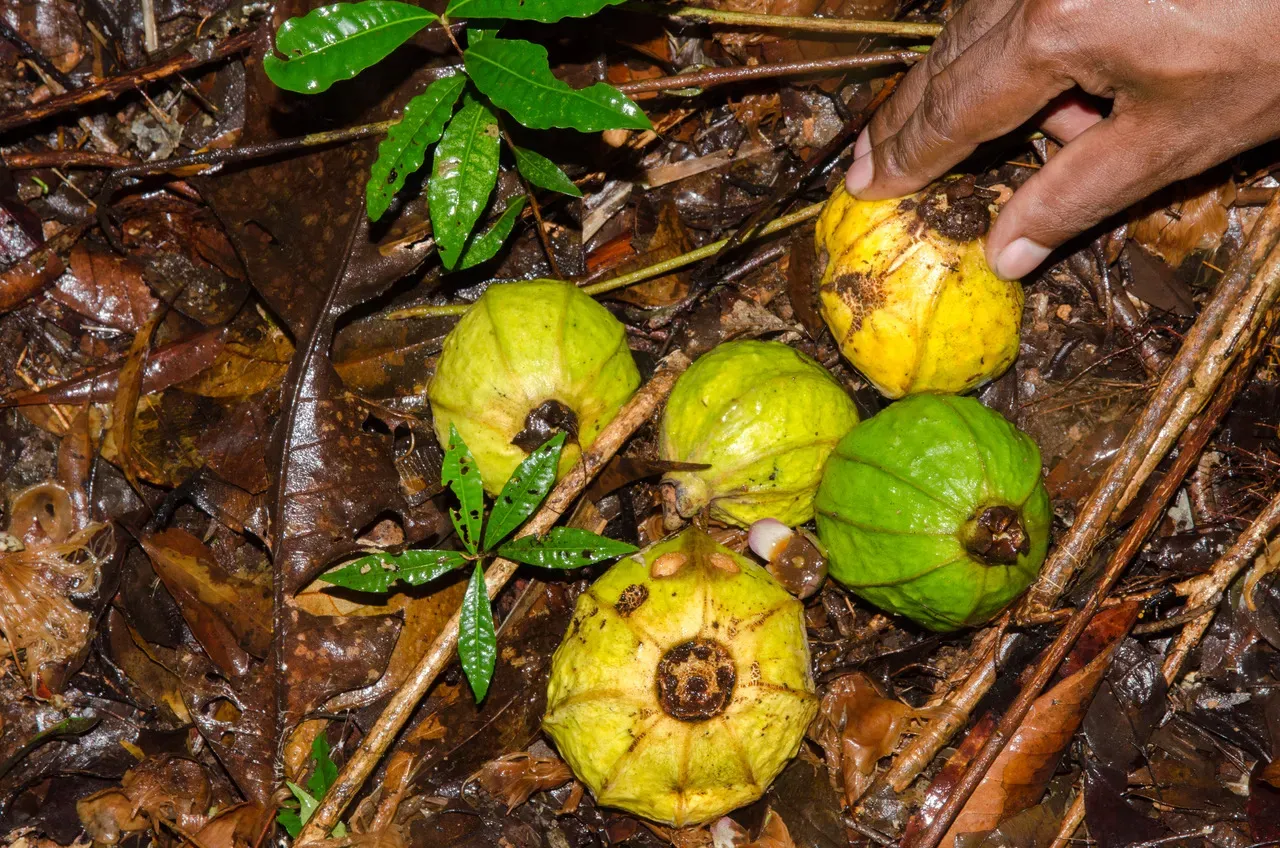
Picking fruit from this 18m tall tree from Manus Island, Papua New Guinea is relatively easily. They are produced on whip-like stems that run down from the trunk and along the ground for up to 7 metres, producing white flowers about 6cm in diameter. Furthermore, they taste of banana mixed with guava and even have an aftertaste of eucalyptus, according to the collectors Arison Arihafa and Fanie Venter, for whom the species Eugenia venteri is named.
The species is thought to have evolved to have its flowers pollinated and seeds dispersed by the giant ground rats that are found in New Guinea.
Several species of Eugenia are already in cultivation across the tropics for their fruit. E. venteri fruit are nearly spherical and measure about 40-50 mm in diameter, with distinct ridges running from the top to the bottom.
The study was led by Dr Yee Wen Low, an Honorary Research Associate (HRA) at Kew and Senior Researcher at the Singapore Botanic Gardens, and Kew’s Senior Research Leader of Accelerated Taxonomy Dr Eve Lucas in collaboration with Arison Arihafa an independent botanist based in Papua New Guinea. The DNA extraction and sequencing was carried out by László Csiba of Analytical Methods team at Kew’s Jodrell laboratory.
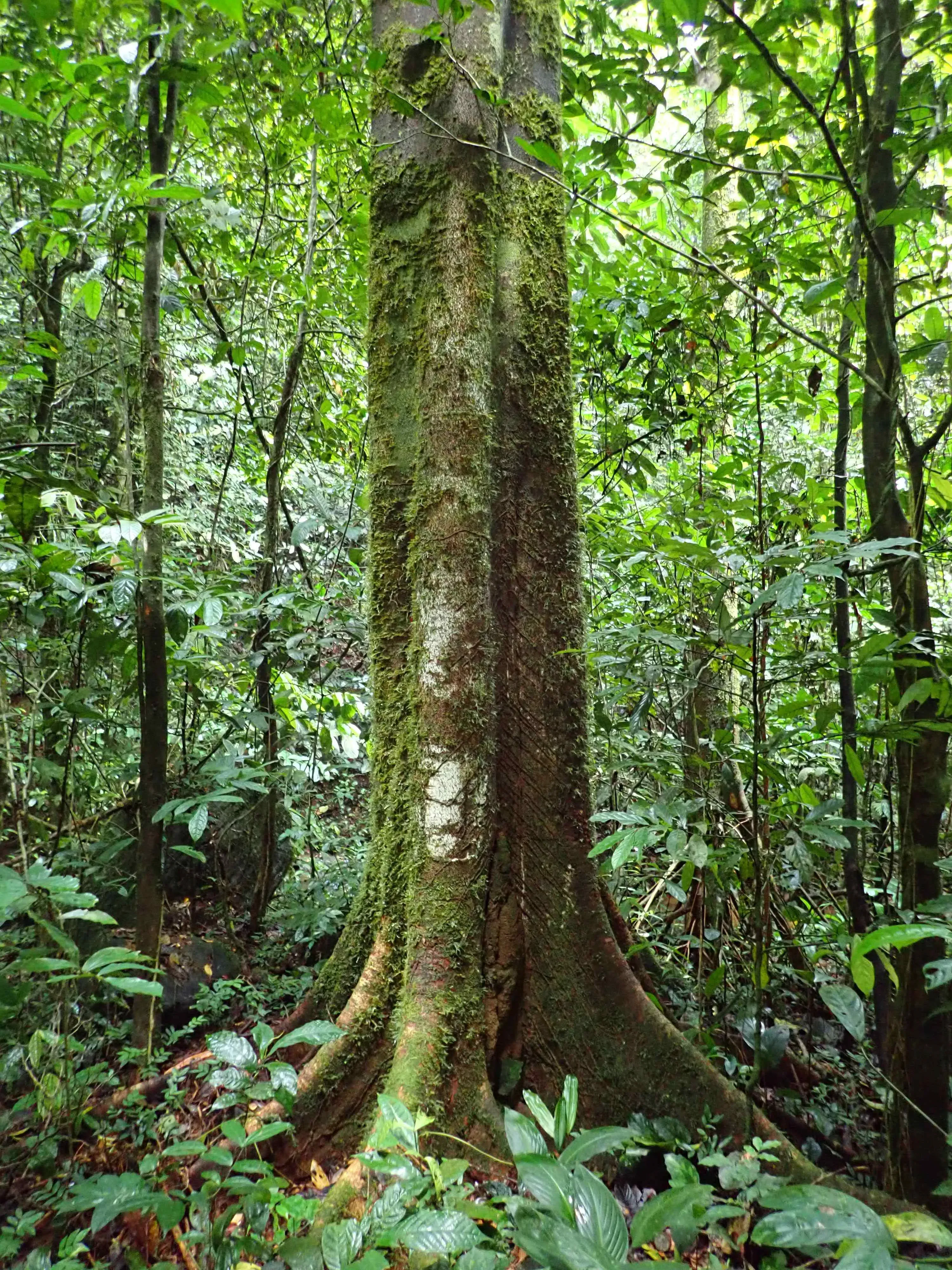
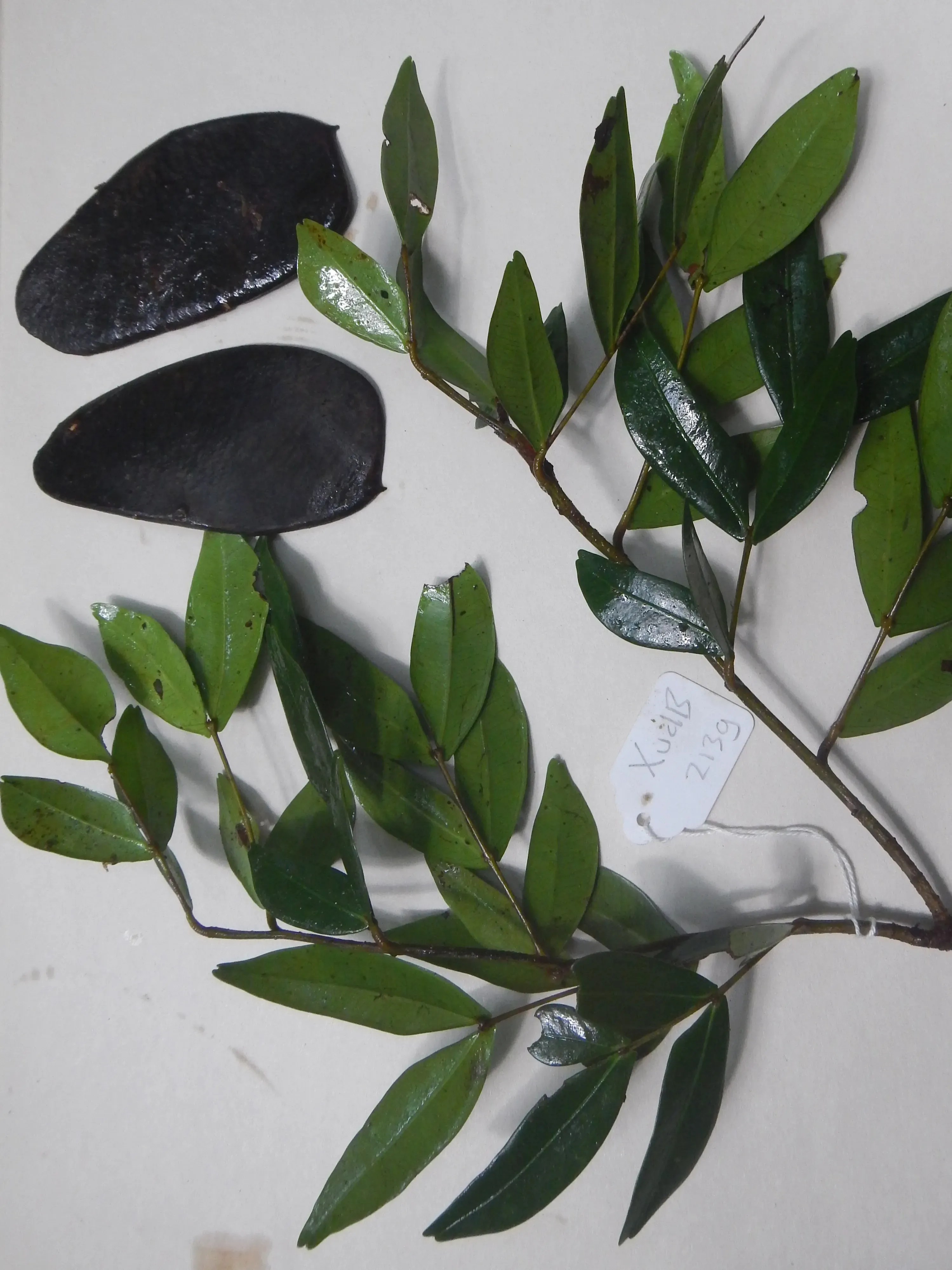
7. Endangered 5-tonne tree from the Cameroon rainforest
This is by far the biggest and heaviest new species scientists at Kew have described with their partners this year. Growing up to 34m tall in the Cameroon rainforest and with a trunk diameter of 66cm, a rough calculation puts the mass of just one of these trees at 5 tonnes (5,000kg).
Plagiosiphon intermedium is a detarioid legume (a member of the bean family) that is the first species to be added to the Plagiosiphon genus in nearly 80 years. Plagiosiphon species are confined to the forests of Cameroon, Gabon and Congo, apart from one species extending to West Africa.
Detarioid legume trees grow in groups and depend on ectomycorrhizal fungi (fungi that form symbiotic relationships with tree roots). The new species is known from only two locations, both in Ngovayang, one of Cameroon’s top hotspots for unique plant species, but currently unprotected.
The description was led by Kew’s Xander van der Burgt with colleagues Barthélemy Tchiengué and Eric Ngansop Tchatchouang at Cameroon's Institute of Agricultural Research for Development (IRAD) National Herbarium.
8. Fungus from grass roots in Inner Mongolia
A high proportion of the fungi scientists are yet to describe are expected to be fungi that are not easily detected by the human eye; that is those lacking large fruiting bodies such as toadstools. Among these are fungal endophytes that spend their lives inside living plants which are not harmed by the fungus, and which may even benefit from the partnership.
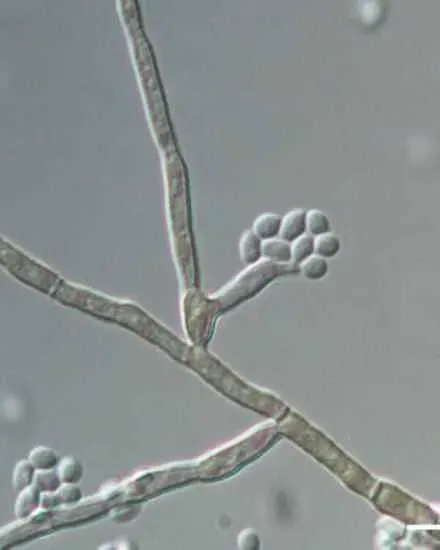
One such example is a new fungus named as Magnaporthiopsis stipae, which was isolated from the roots of a grass, Stipa sareptana, growing in Inner Mongolia, China.
This species is just one of 24 new species, 11 new genera and 1 new family published as new to science in a study of an order of fungi which are mainly endophytes and the agents of plant diseases. The study was led by scientists from Zhejiang University, Hangzhou and supported by colleagues from Utecht, Vienna, and Dr Irina Druzhinina, Senior Research Leader in Fungal Diversity and Systematics at Kew.
9. Elegant new Christmas palm, Critically Endangered in the Philippines
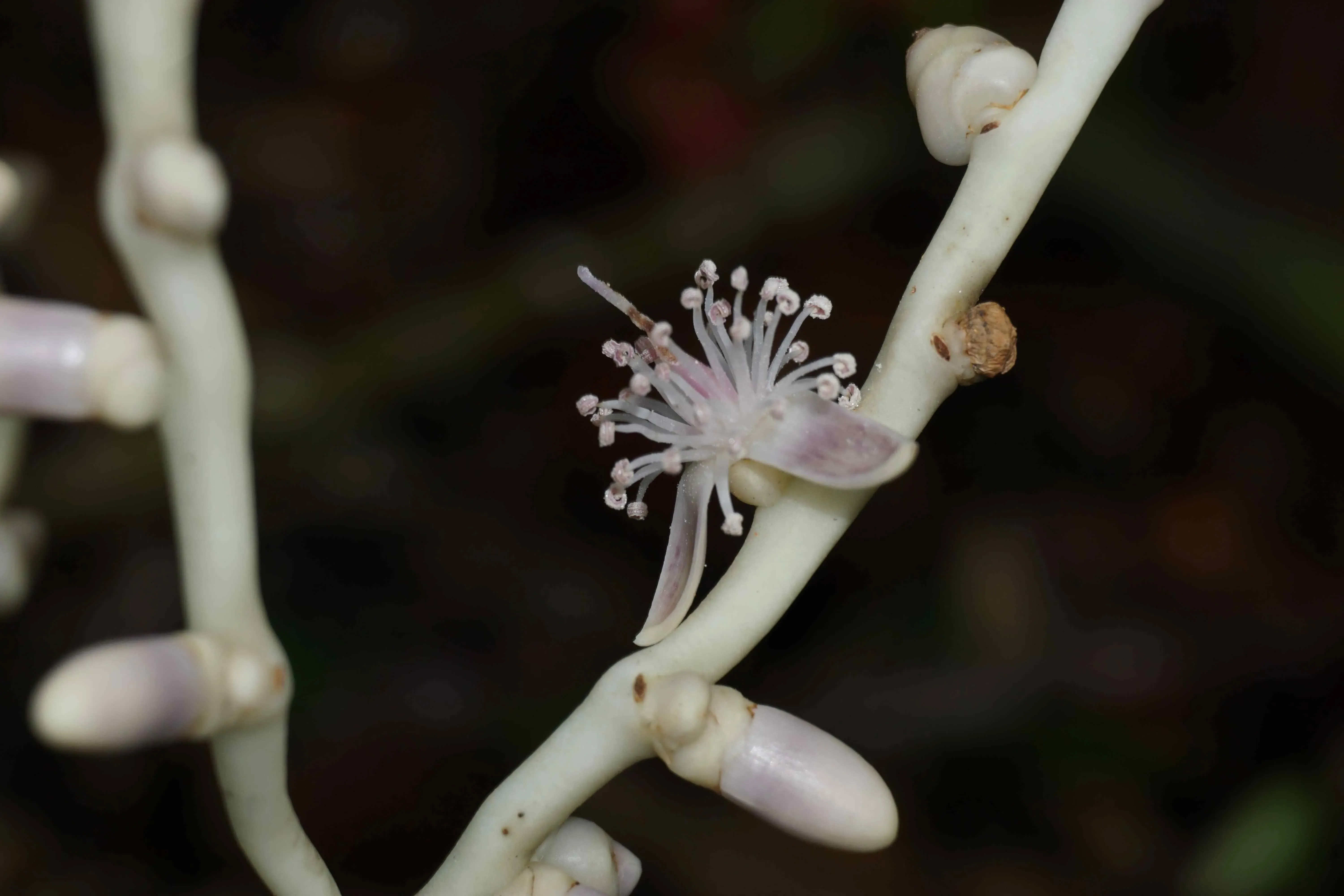
Known locally as Amuring (Waray-Bisaya language), this beautiful red fruited palm, 5 to 15 m tall, was identified by Jiro Adorador and Zhereeleen M. Adorador from the University of the Philippines Los Baños in 2013 and is already highly sought after by palm enthusiasts for cultivation in gardens.
Now scientifically recognised as Adonidia zibabaoa, it grows on karst limestone ridges in a small area of typhoon-prone Samar Island, one of the Visayas of the Philippines. The species name derives from an old name for Samar.
Its designation as new-to-science was challenging because it was not immediately obvious what genus it belonged to, but DNA analyses undertaken at Kew confirmed its placement in the genus Adonidia. Only two other species are known in the genus, from Borneo, Palawan and Danjugan Island, including the Christmas palm (Adonidia merrillii, also known as Manila palm), one of the most widely cultivated tropical ornamentals in the world.
10. The caterpillar orchid among six new orchids from Indonesian New Guinea and Maluku
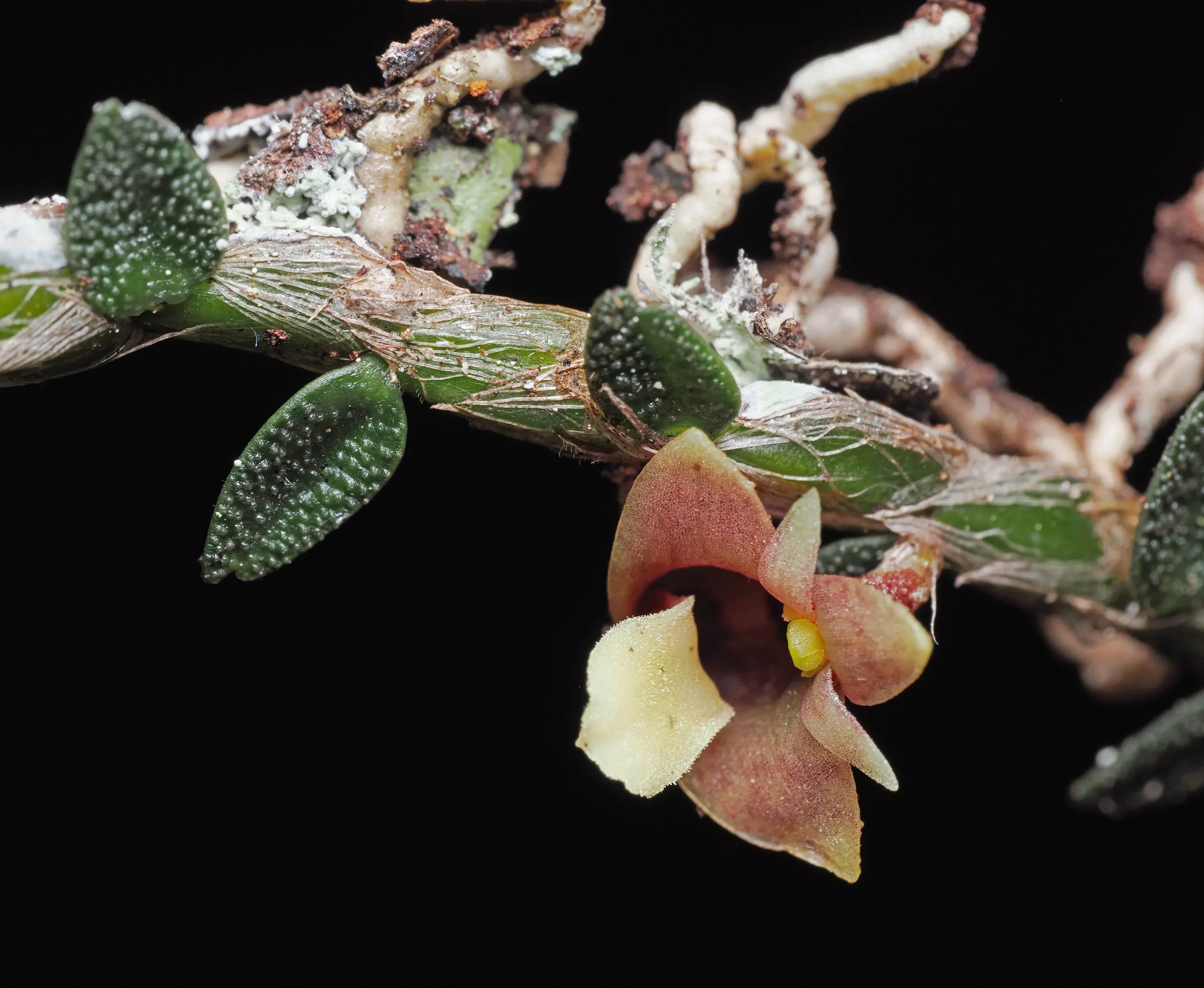
The caterpillar orchid, Dendrobium eruciforme, is so named because the tiny, creeping plants resemble a colony of caterpillars sitting on a tree trunk. This is the smallest of six new species published by Indonesian scientists along with Kew’s Andre Schuiteman.
Five of the discoveries arise from Kew’s work with local partners to identify the most important areas to conserve in Indonesian New Guinea (Tropical Important Plant Areas New Guinea project), with 13 such Tropical Important Plant Areas or TIPAs published so far, while also building local capacity. Three of the species are from the Crown Jewel project area which conserves some of the world's most species-rich and intact tropical rainforest, with Birds of Paradise made famous in the UK by David Attenborough.
The five New Guinea species were published with Kew’s Indonesian partners from BBKSDA (Natural Resources Conservation Centre), Universitas Papua and supported by BRIDA (Regional Research and Innovation Agency). The Crown Jewel of Tanah Papua project (Mahkota Permata Tanah Papua) has Kew and many other NGOs as partners including Fauna and Flora International, World Wildlife Fund and the Rainforest Trust Balitbangda Papua Barat. The fieldwork would not have been possible without the support of private philanthropists.
The new species are:
- Dendrobium eruciforme Schuit., Saputra & Wanma
- Dendrobium siculiforme Saputra, Schuit. & Metusala
- Bulbophyllum sandfordiorum Saputra, Schuit.
- Bulbophyllum ewamiyiuu Saputra, Schuit. & Metusala
- Bulbophyllum abuniorum Saputra & Schuit
- Bulbophyllum halmaherae Mustaqim, Yudistira, Jacop & Schuit. from Halmahera Island, Maluku. This is the only one not from New Guinea
Why does naming a species help to save it?
This year's list of 190 newly described species underscores how much of the natural world remains unknown to us, and how essential it is that we understand it to be able to protect it. Each identification of a new species to science helps us better understand ecosystems, and with this foundational knowledge, conservation can succeed.
As taxonomists, it used to be that we had no great concerns about the survival of the species that we published as new to science. But now, increasingly we are finding that such species are threatened with extinction or even appear already extinct at the point that we publish them.
Wherever we look, nature is being eroded to the point of extinction, but if we invest in taxonomy that sheds light on species and conservation that protects them now, we can prevent the dismantling of the very systems that sustain our life on Earth.
On average, about 2,500 new plants and 2,500 new fungi are described globally every single year. Estimates in recent years suggest there could be as many as 100,000 plant species waiting to be described and as many as 2-3 million species of fungi globally.
For us at Kew, taxonomy remains one of science's most exhilarating frontiers. The challenge is immense, but so is the wonder and privilege of uncovering new branches of the tree of life, and joining with people of all walks of life in protecting it. Thank you to all of those that support us and collaborate with us in this work of the utmost importance.
Want more Science and new species from Kew?
Stay up-to-date with Kew’s plant and fungal research news, science events and scientific opportunities.
More new species from years gone by
The taxonomic work done by Kew researchers and our parters spans decades and centuries in an effort to understand life on Earth
Kew's Top 10 New Species of 2024
.jpg5efa.webp?itok=SKtJrQSo "Baphia arenicola © David Goyder, RBG Kew")
Kew’s top 10 new species of 2023
-min%20(1).jpg5c44.webp?itok=8iGKnsio "Victoria boliviana in Kew’s Princess of Wales Conservatory © RBG Kew")