6 min read
Why are trees blooming early?
As our climate warms, spring blossoms are appearing earlier every year. How does this work and what might spring look like in the future?

If you love the sight of beautiful spring blossoms, you might have noticed that they’re blooming earlier than they used to.
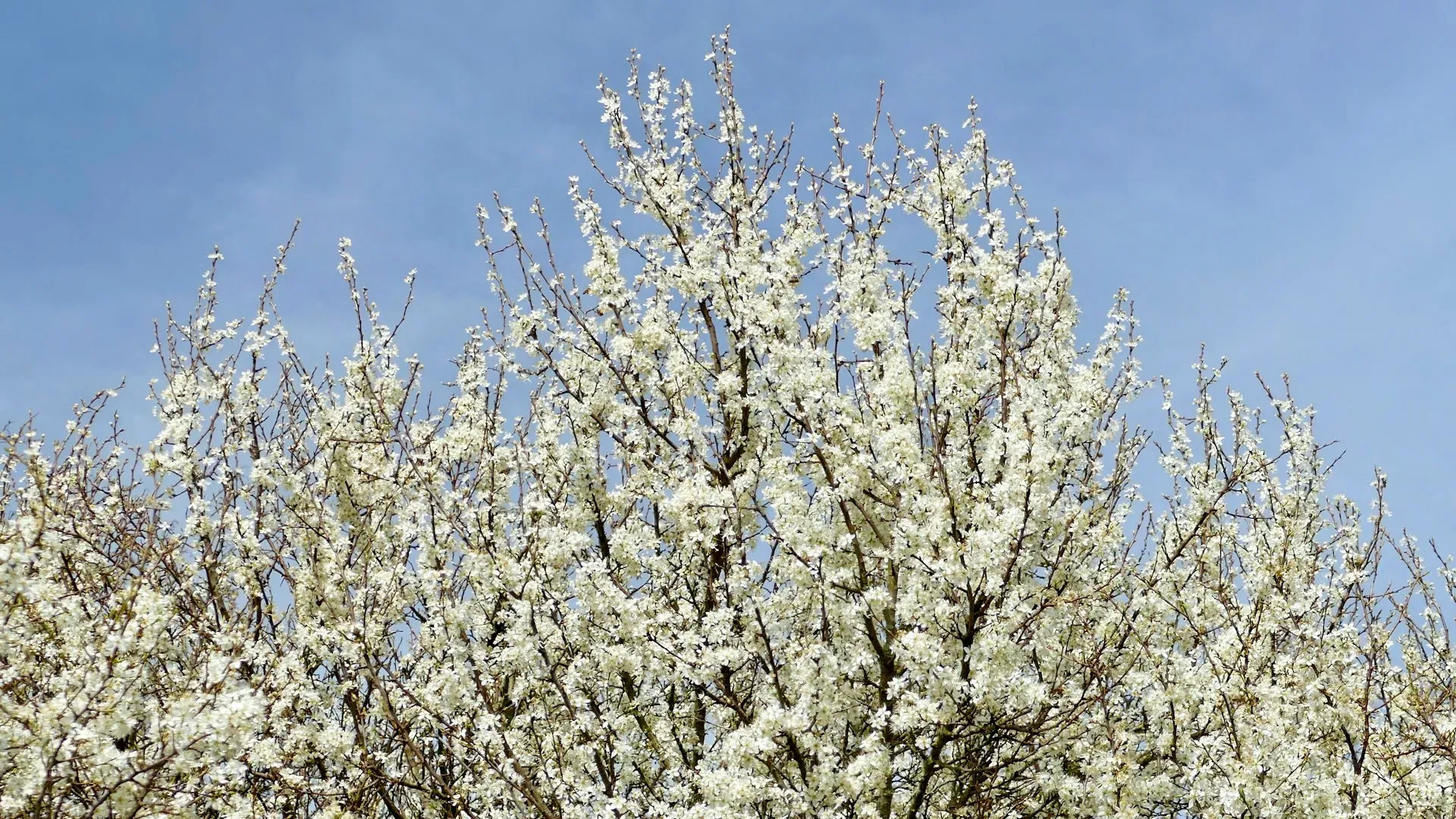
Science backs this up. By looking at records from the past 270 years, we can see that as the UK climate has warmed, trees like magnolias, cherries, plums and blackthorns are flowering up to a month earlier than they did in the 18th century.
The shift isn't random. Early blossom is a record of climate change. What we're seeing is not just early beauty, but a warning system for ecosystems, agriculture and how our springs will look in the future.
How do trees know when to flower?
Flowering is a collection of seasonal cues: temperature, light and a plant's internal clock.
Many temperate trees go dormant over winter. They need a stretch of winter cold to prompt them to wake up slowly, so that their buds don’t awaken too soon.
As spring nears, warmth gradually builds up in what scientists call a ‘heat sum,’ prompting buds to grow and then bloom.
Different species, and even different cultivars (plant varieties that humans have created within a species), may need different low or high temperatures in order to flower.
Because these required temperatures can be measured, scientists can link changes in flowering dates directly to shifts in winter and spring temperatures.
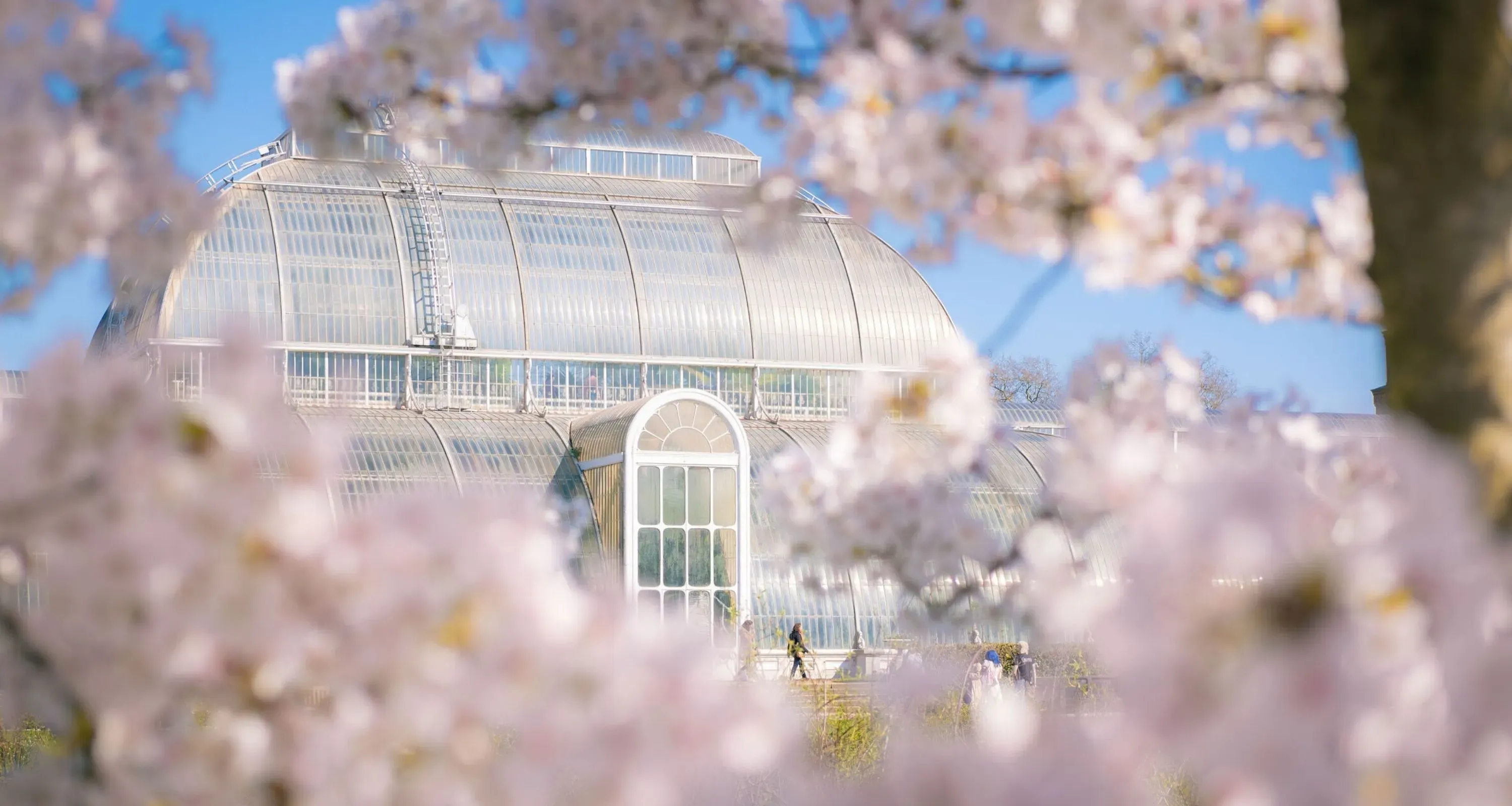
The trees that put on a spectacular blossom display at Kew Gardens and Wakehurst every year – such as magnolias (Magnolia spp.) and trees in the Prunus genus like cherries, plums and apricots – are particularly sensitive to these balances.
Why blossoms are coming out earlier
The pattern is simple, but important: winters and early springs have warmed, so trees reach their required warmth earlier in the year.
For many tree species, winters are still cold enough to reach their low temperature threshold – although this might change if our winters become milder. This is why, at the moment, an early warm spell does not stop trees from flowering but prompts them to flower earlier.
Researchers have collected a lot of data over the past 270 years, and it’s clear the changes are consistent across decades and communities of plants.
A 2022 study found that blossoms now come out almost a month earlier than they did when records began in 1753. On average, that means that every ten years, trees in the UK are flowering about five and a half days earlier.
For every 1°C our planet warms, trees around the world flower about two and a half days earlier.
Because magnolias and Prunus species like cherries flower early in spring, they’re a clear way to watch these changes happen year after year.
Should we be worried that spring is starting earlier?
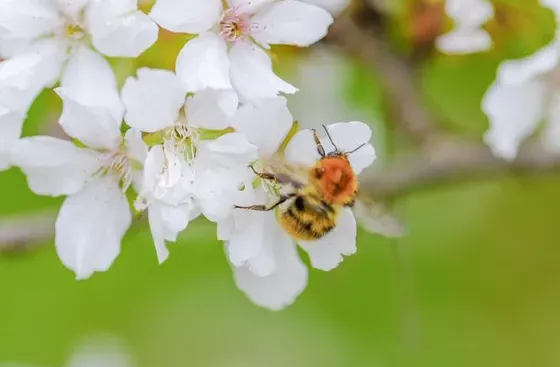
Blossoms are beautiful, but they’re also an important food source for birds, insects and other animals. Earlier flowering usually means that the window for these food sources shifts earlier in the season.
Ecosystems depend on delicate timing. When the timing of plants’ life cycles shifts out of step with pollinators, animals that eat the plants, or animals that migrate, it can set off a chain reaction that causes long-term damage to an ecosystem.
Just like the trees, some plants and wildlife are adapting to the changing climate. Wild British bees are coming out of hibernation around 6 days earlier for every 1°C of warming.
But not all species move at the same pace. European honeybees respond differently than bumblebees. Migratory insects and birds can’t always adjust their patterns quickly enough.
As the climate warms, sensitive ‘specialist’ species, like the high brown fritillary – a rare UK butterfly whose caterpillars feed only on violets – may struggle the most.
What future springs might look like
If the climate crisis continues, these shifts in timing are likely to intensify. We may see springs that arrive even earlier, feel more vivid and unfold more quickly, but are punctuated by sudden reversals where frost interrupts growth already in motion.
Over time, plant and animal communities may reorganise. ‘Generalist’ species – such as house sparrows and blackberries, which thrive in lots of different environments – are likely to be flexible, adapt and perhaps even do better, while specialist species may struggle.
%20(1).jpg81a5.webp?itok=-VpghQIC "Kew's Herbarium collection contains millions of specimens like these.")
What Kew is doing to help
At Royal Botanic Gardens, Kew, our collections are not only curated for beauty, but for knowledge. Botanical gardens like Kew and seed banks like the Millennium Seed Bank can help by maintaining genetic variation in the plants we grow and the seeds we collect.
The dried plant specimens in our Herbarium are often plants in flower that were collected and preserved centuries ago. This means we know the exact time of year these plants were flowering when they were collected. With millions of specimens in our Herbarium, that’s a lot of historical data.
Kew’s experts are still collecting data from our living collections that shows steady advances in flowering over time. Put together, all this data creates a long-term series of records that allows us to detect and understand these changes. We can also use these historical records to identify which species are most sensitive to change.
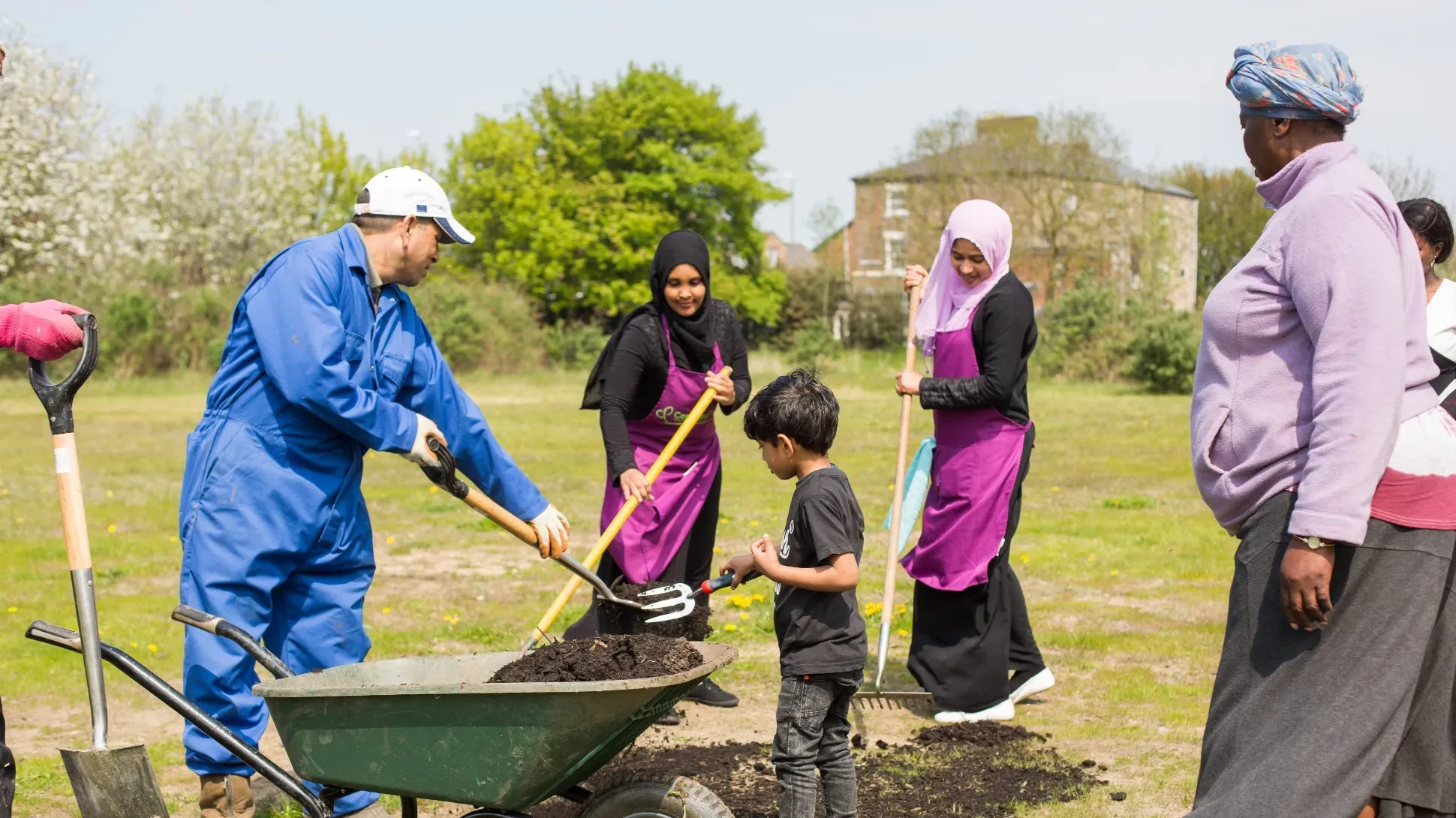
Using this information, we can decide where to put the most effort into conservation and learn how to plant resilient gardens. We’re passing on that knowledge to community gardens with programmes like our community nature partnership, Grow Wild.
Kew is a charity and all donations, memberships and shop purchases go towards our vital research in climate change and biodiversity loss.
What you can do to help
Every small action helps us to understand climate change and respond to it.
You don’t need any specialist knowledge or equipment to track when blossoms first open in your garden, street or local park. If you keep doing this year after year, you can help build the long-term records that science depends on.
You can share your data with conservation organisations in your area or post your observations on platforms like iNaturalist.
Wildlife-friendly gardening gives pollinators a helping hand through increasingly unpredictable springs. In your garden, allotment, balcony or window boxes, choose a diverse mix of plants that need different temperatures and flower at different times.
If you love the first sight of blossom every spring, you can help blossoming trees and the animals that depend on them to weather the climate crisis.
Read & watch
.pngb8de.webp?itok=fy47fI7- "Herbarium specimens can help us combat climate change")
.jpg31c0.webp?itok=a6UYLJoZ "Cherry blossom, Jeff Eden © RBG Kew")